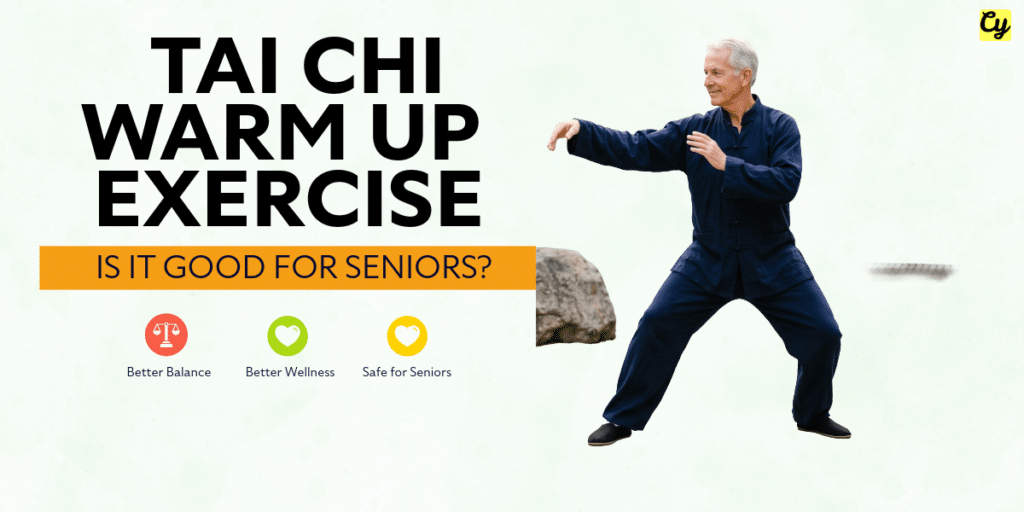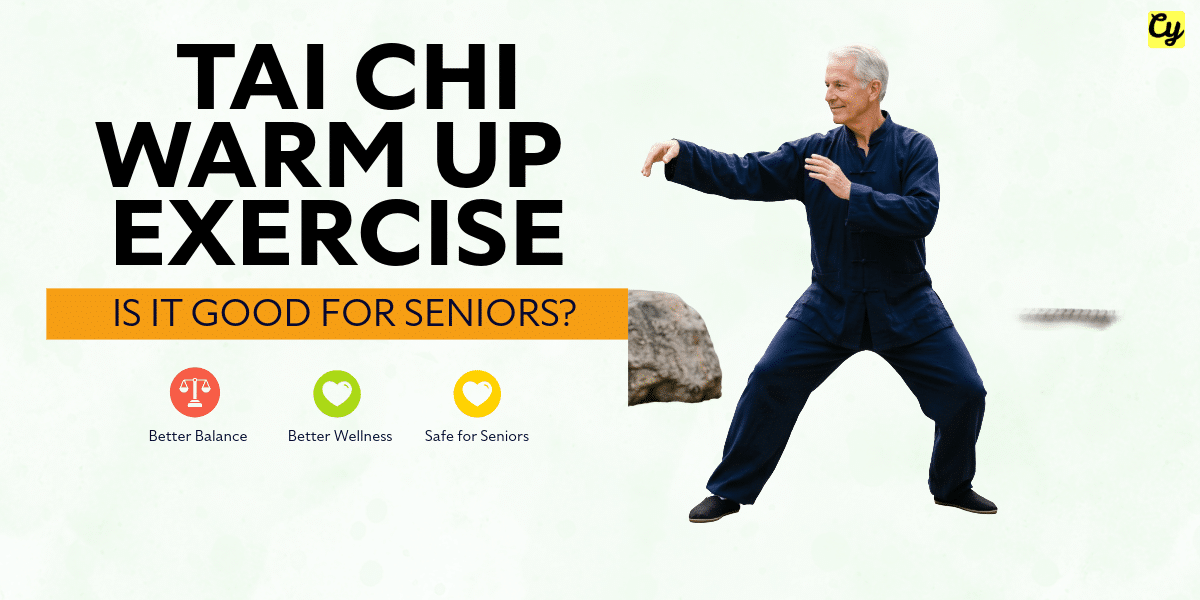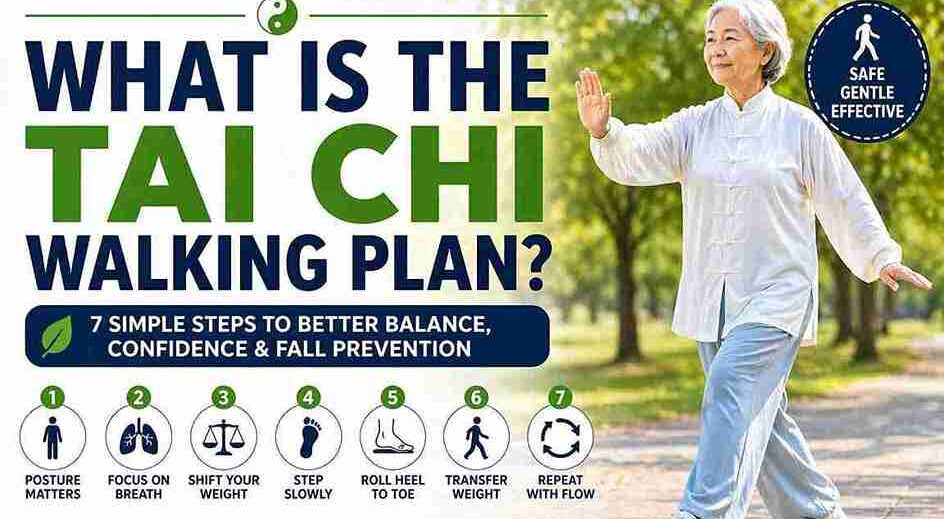
What is the tai chi walking plan? Learn a simple, science-backed routine for seniors to improve balance, prevent falls, and walk confidently. Includes free PDF guide. If you’ve heard about Tai Chi walking and wondered,
👉 “What is the Tai Chi walking plan—and how do I actually follow it?”
You’re in the right place.
This guide explains everything in simple, practical steps, especially for:
- Seniors
- Beginners
- People with weak balance
Table of Contents
What Is the Tai Chi Walking Plan?
The Tai Chi walking plan is a structured routine of slow, controlled walking movements designed to improve the following:
- Balance
- Coordination
- Stability
- Confidence
👉 It’s not normal walking.
Instead, it focuses on:
- Controlled steps
- Weight shifting
- Mindful movement
Why the Tai Chi Walking Plan Works (Science Explained)
Research from PubMed Central shows Tai Chi:
- Improves balance
- Reduces fall risk
- Enhances coordination
👉 Study: https://pmc.ncbi.nlm.nih.gov/articles/PMC9844554/
Key Idea: The Tai Chi walking plan trains your brain and body together, not just your muscles.
How the Tai Chi Walking Plan Is Different From Normal Walking
| Normal Walking | Tai Chi Walking Plan |
|---|---|
| Fast | Slow & controlled |
| Automatic | Mindful |
| Less balance focus | Strong balance training |
👉 That’s why it’s safer for seniors.
Want a complete system?
Check your ebook:
The 10-Minute Tai Chi Walking Method for Seniors ($9.90)

The 7-Step Tai Chi Walking Plan (Beginner Friendly)
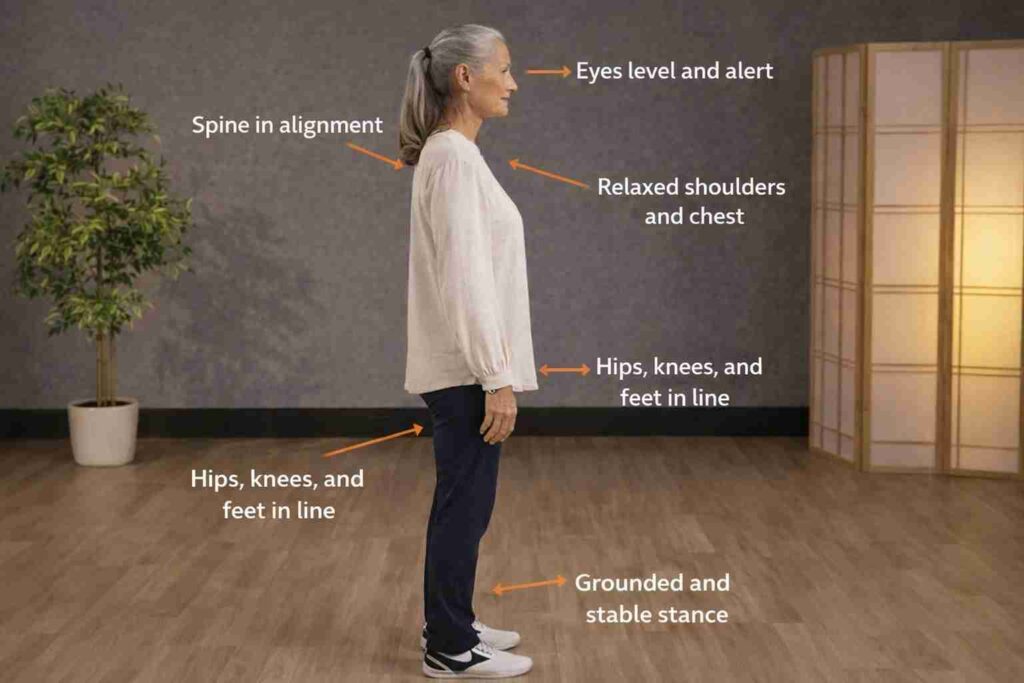
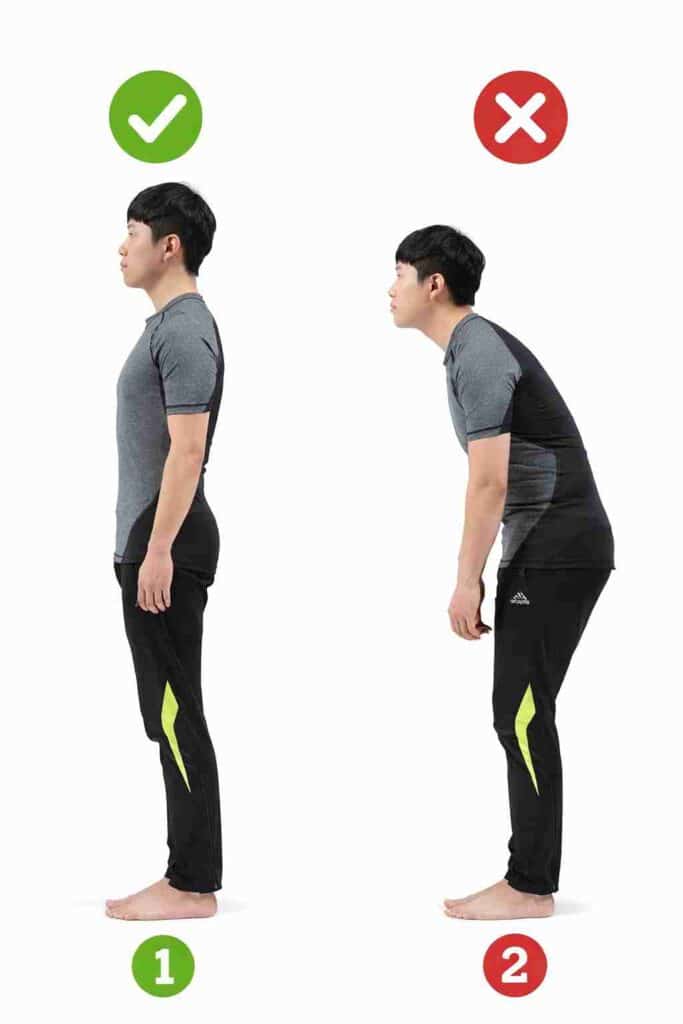
Step 1: Start With Posture
- Stand upright
- Relax shoulders
- Keep knees slightly bent
Step 2: Focus on Breathing
- Inhale slowly
- Exhale gently
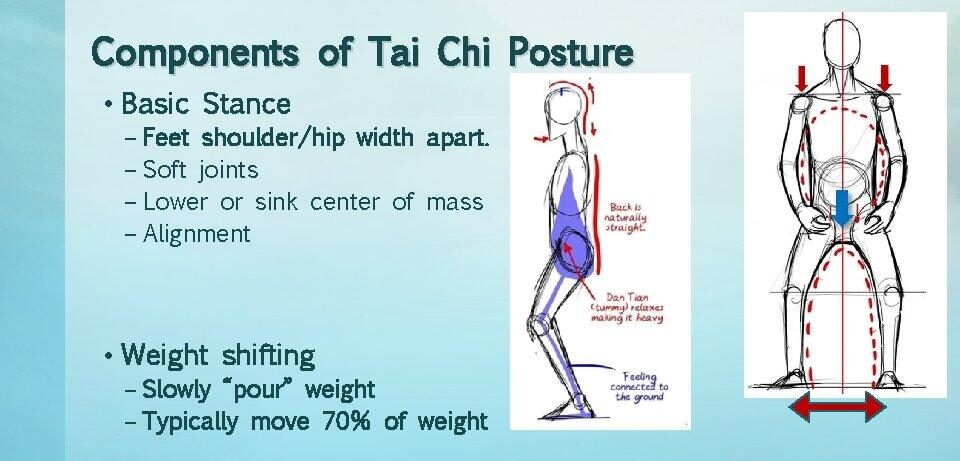
Step 3: Shift Your Weight
👉 This is the key step.
- Move weight onto one leg
- Keep balance before stepping
Step 4: Step Forward Slowly
- Lift foot gently
- Place heel first
Step 5: Roll Your Foot
- Move heel → toe
- Stay controlled
Step 6: Transfer Weight
- Shift weight forward slowly
Step 7: Repeat With Flow
👉 Make movements smooth and continuous.
Simple Daily Tai Chi Walking Plan (10 Minutes)
Minute-by-Minute:
- 2 min → posture + breathing
- 4 min → slow walking
- 3 min → continuous flow
- 1 min → relaxation
👉 This is enough for beginners.
Why Slow Walking Sometimes Improves Balance Faster, and Sometimes Doesn’t
Slow walking gets recommended in almost every Tai Chi balance routine.
There’s a good reason for that.
Moving slower gives your body more time to notice position changes, adjust posture, and control weight transfer.
But there’s something people rarely talk about.
Slow movement only works if your balance system actually gets challenged.
A common beginner habit looks like this:
Move slowly.
Keep both feet loaded.
Avoid committing body weight.
Stay in the middle.
It feels safe.
But the body never fully practices balance.
That’s why two people can follow the same routine and get different results.
One person shifts weight confidently.
Another person moves cautiously and stays centered.
The first person usually improves faster.
Fear also changes movement.
Someone worried about falling often:
- takes smaller steps
- locks knees
- tightens shoulders
- rushes onto the next foot
Those changes reduce training quality.
Speed also changes what gets trained.
Very slow walking usually improves:
✔ awareness
✔ posture
✔ movement control
Moderate speed often improves:
✔ coordination
✔ smoother transitions
✔ rhythm
Natural walking helps transfer those skills into daily life.
A simple check:
If every step feels equally easy after 2 weeks, the movement may have become too comfortable.
Balance training usually needs a small amount of challenge to keep adapting.
The Hidden Phase Nobody Notices, Learning to Trust One Leg Again
People usually think walking happens with both legs equally.
It doesn’t.
For a moment during every step, one leg supports the body while the other moves.
That single-leg phase matters more than most people realize.
Many adults slowly lose confidence standing fully on one side.
Often without noticing.
Someone says:
“My balance feels weak.”
Then you watch them walk.
They never completely transfer weight.
They move quickly onto the next step.
Body protection takes over.
The nervous system chooses safety.
Tai Chi walking gives time to rebuild trust.
Progress often looks like this.
Week 1:
Small shifts.
Uncertainty.
Week 2:
Weight stays longer on one leg.
Less rushing.
Week 4:
Movement starts feeling calmer.
Transitions become smoother.
Another pattern appears often.
People look down constantly.
It feels safer.
But looking down can create hesitation and reduce natural posture.
The body becomes stiffer.
Balance improves more when people gradually learn to trust position instead of constantly checking the floor.
This is one reason balance improvements often feel mental before they feel physical.
Myth vs Reality: Common Tai Chi Walking Advice That Sounds Good but Breaks in Practice
Some walking advice sounds perfect until real people try following it.
Tai Chi walking works best when advice gets adjusted to the person.
| Myth | Reality |
|---|---|
| Walk slower for better balance | Slow only helps if weight transfers properly |
| Practice every day | Recovery still matters |
| Keep perfect posture all session | Small adjustments happen naturally |
| Bigger steps improve balance faster | Control matters more |
| Feeling unstable means failure | Small challenge can be normal |
Take “walk slower.”
Useful advice.
Until someone becomes so cautious they stop shifting weight.
Or “practice every day.”
Helpful.
Until fatigue turns clean movement into sloppy movement.
Another example:
People trying to hold rigid posture often become tense.
Balance responds better to controlled movement than forced stiffness.
One observation shows up often.
People progressing well usually stay relaxed enough to adjust.
A useful rule:
Good sessions usually feel controlled afterward, not exhausting.
Why the Floor You Practice On Matters More Than People Think
Balance is not built in isolation.
Environment changes movement.
That means where you practice matters more than people expect.
Tile floors often feel smoother.
People move faster.
Carpet absorbs feedback.
Steps sometimes become shorter.
Barefoot practice gives more sensation from the feet.
Shoes often increase confidence.
None is automatically better.
Each changes the experience.
Another thing happens.
Someone becomes comfortable practicing in one room.
Then goes outside.
Balance suddenly feels worse.
That doesn’t mean progress disappeared.
The environment changed.
Different surfaces create different demands.
Try checking your setup.
Practice space checklist:
✓ stable floor
✓ enough room for stepping
✓ consistent lighting
✓ minimal distractions
✓ chair nearby if needed
Small setup changes sometimes improve confidence immediately.
Advanced Progression After the First 30 Days
Most plans end after consistency.
That’s usually where progress starts becoming interesting.
Month 1 builds familiarity.
Learn posture.
Learn stepping.
Learn weight transfer.
Month 2 focuses on cleaner transitions.
Move slower between steps.
Reduce rushing.
Month 3 adds direction changes.
Forward.
Diagonal.
Gentle turns.
Now balance becomes less predictable.
Then add attention work.
Walk while counting breaths.
Walk while maintaining relaxed posture.
Walk while noticing foot contact.
This increases movement awareness without adding intensity.
Progression doesn’t need harder workouts.
Examples:
- smoother stepping
- better posture
- longer control
- calmer breathing
One coaching rule works well:
Progress should make movement cleaner before making it harder.
That approach usually keeps Tai Chi walking sustainable over time
7-Day Tai Chi Walking Plan
| Day 1–2: | 5 minutes (focus on posture) |
| Day 3–4: | 10 minutes (add steps) |
| Day 5–7: | 15 minutes (smooth flow |
👉 Progress slowly.
Chair-Supported Tai Chi Walking Plan
If balance is weak:
- Hold chair lightly
- Practice weight shifting
- Add small steps
👉 This builds confidence safely.
Common Mistakes in the Tai Chi Walking Plan
- Walking too fast
- Not shifting weight properly
- Slouching
- Holding breath
These reduce benefits.
Who Should Follow the Tai Chi Walking Plan?
✔ Seniors (60+)
✔ Beginners
✔ People recovering from weakness
✔ Anyone afraid of falling
How Long Before You See Results?
| Week 1–2: | Better awareness |
| Week 3–4: | Improved balance |
| Week 5–8: | Stronger confidence |
👉 Consistency matters.
What is the Tai Chi walking plan?
It is a structured routine of slow, controlled walking movements designed to improve balance and stability.
How long should I follow the Tai Chi walking plan daily?
10–20 minutes daily is enough.
Is the Tai Chi walking plan safe for seniors?
Yes, it is one of the safest exercises for improving balance.
Can beginners follow the Tai Chi walking plan?
Yes, it is beginner-friendly.
Does the Tai Chi walking plan prevent falls?
Yes, it improves balance and coordination, reducing fall risk.