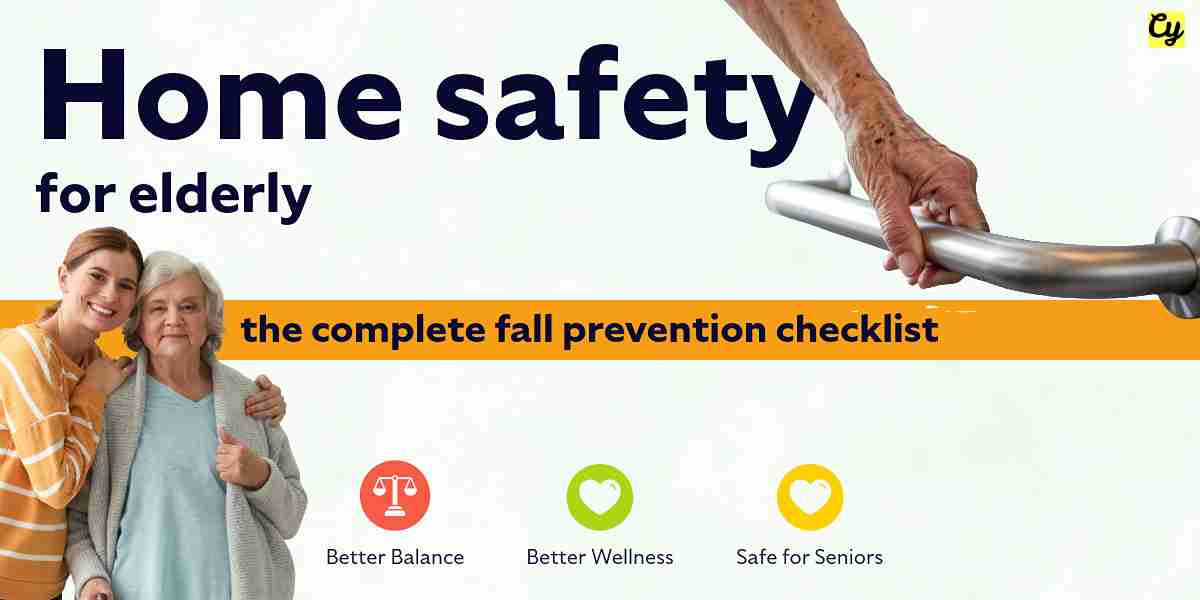
41,000 older adults die from falls every year in the United States. That’s 112 people every single day, according to the CDC.
This home safety for elderly guide covers every room with specific fixes ranked by impact, not guesswork.
And the fall death rate isn’t stable. It increased 21% between 2018 and 2024. More older adults are dying from falls now than at any point in recent history.
Here’s the part that gets overlooked: most of those falls happen at home. In familiar rooms. On routes walked a thousand times. The bathroom. The bedroom in the middle of the night. The kitchen while reaching for something on a shelf.
This guide covers every room in the house, with specific, actionable changes that reduce fall risk ranked by impact, not alphabetically. We’ve also included a printable checklist at the end and connected every fix to the exercise habits that make home modifications work even better.
Table of Contents
Why home safety for elderly adults matters more than most people think
Home safety for elderly adults is one of the most preventable problems in senior care. Yet most families wait until after a fall.
The instinct after a fall is to rest and be more careful. But research shows the real danger is what happens next.
A 2021 PMC systematic review found that for older adults who have fallen or have multiple fall risk factors, home environment assessments and modifications have direct potential to reduce the likelihood of future falls. The modifications that showed the strongest evidence across 20 studies: bathroom safety enhancements and mobility improvements. Implemented in 100% of effective fall prevention programmes.
And a 2025 systematic review in PMC confirmed that home modifications reduce nursing home admissions and improve quality of life not just survival.
The home is where you can make the most changes, the fastest, at the lowest cost.
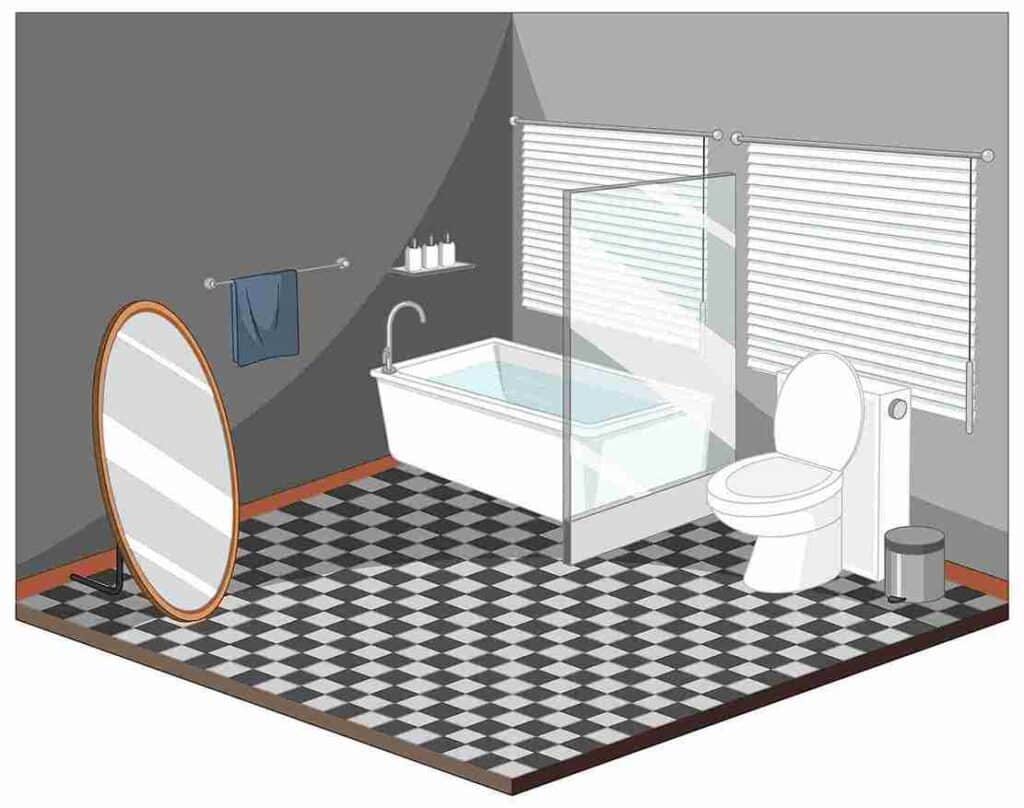
The bathroom (the highest-risk room in the house)
The bathroom is the most dangerous room for home safety for elderly adults. Fix this room first.
The bathroom causes more falls than any other room. Wet surfaces, confined spaces, and the physical demands of getting in and out of a bath or shower make it dangerous by design.
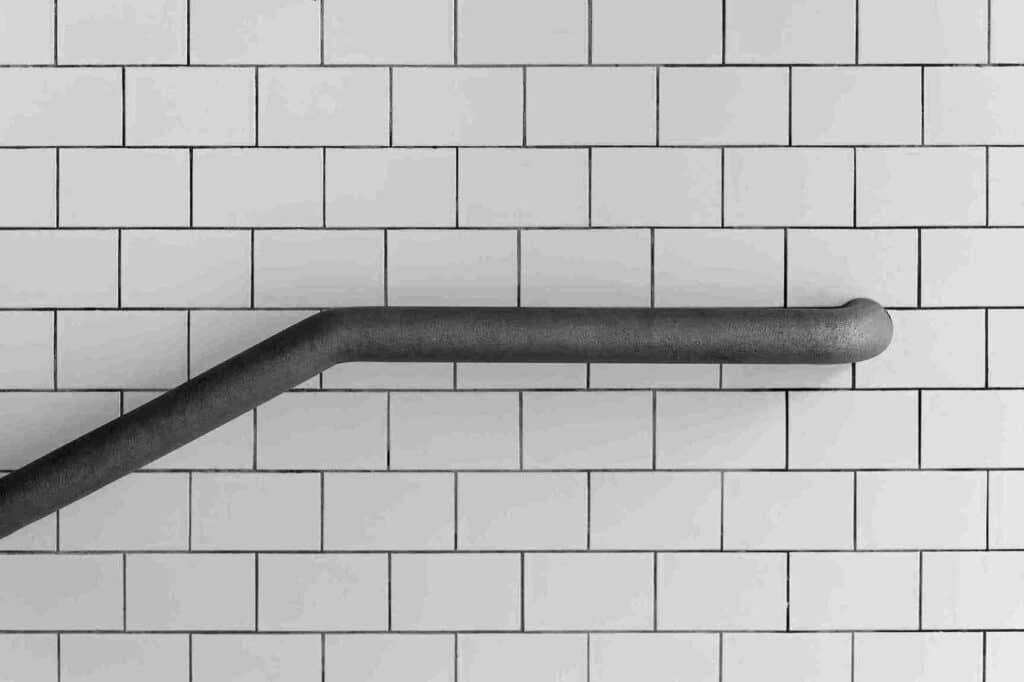
Install grab bars, not towel rails.
This is the single most impactful change in the entire house. A grab bar near the toilet, one inside the shower, and one at the entry to the bath. Towel rails are not built to hold body weight. They pull out of walls. Grab bars are installed into studs and rated for 250+ lbs.
Cost: $20–$80 per bar plus installation. Medicare Advantage plans sometimes cover this call of yours.
Non-slip mats in the shower and tub.
Not a bath mat outside the shower. Inside it. A textured mat or adhesive strips on the shower floor. The slipping happens inside, not outside.
Raised toilet seat.
Getting up from a low toilet is one of the hardest movements for seniors with hip or knee problems. A raised toilet seat adds 3–5 inches and costs $25–$50. A toilet safety frame adds handles on both sides and costs $30–$70.
Night light.
Leave a light on in the bathroom at night, or install a motion-sensor night light that activates automatically. Most falls happen on the route between the bedroom and bathroom at 2am.
Walk-in shower over a bath.
If budget allows, removing the step-over of a bathtub and replacing it with a walk-in shower is the highest-impact single bathroom renovation for fall prevention. The NIH National Institute on Aging specifically recommends this for older adults with significant mobility concerns.
The bedroom (second highest risk)
Bedroom changes are the second most important home safety for elderly priority after the bathroom.
Most bedroom falls happen in the dark, during nighttime bathroom trips, or while getting dressed.
Bedside lamp within arm’s reach.
You should be able to turn a light on before you stand up. Not after. If the switch is across the room, get a remote-control lamp or a smart bulb you can control by voice.
Night lights along the path to the bathroom.
Motion-activated plug-in night lights along every hallway and doorway used at night. They cost $8–$15 each and come on automatically.
Bed height.
If the bed is too low, getting up puts enormous strain on the knees and hips. If it’s too high, the drop to stand increases fall risk. The right height: feet flat on the floor with knees at 90° when sitting on the edge. Bed risers raise a low bed. A lower frame fixes a high one.
Clear floor path.
No rugs, no electrical cords, no shoes, no furniture with sharp corners between the bed and the door. Walk the path yourself in the dark and feel for everything.
Phone within reach.
If you fall, you need to be able to call for help from the floor. A charged phone on the bedside table. Or a medical alert device a wearable button that connects directly to emergency services. CDC recommends this specifically for adults who live alone.
The kitchen (third highest risk)
Most kitchen falls involve reaching for something on a high shelf, across a counter, or over a hot stove.
Move everything frequently used to waist-to-shoulder height.
- The NIH is specific about this: keep frequently used pots, pans, and utensils where they are easy to reach without stretching or climbing. Anything used daily should be between hip and shoulder height.
No step stools.
- Step stools are one of the most dangerous items in a senior’s kitchen. If something is too high to reach from the floor, it needs to be moved. An extension pole or reacher tool replaces the step stool for most tasks.
Clean up spills immediately.
- This sounds obvious. But wet floors are the leading environmental cause of kitchen falls. Keep a mop or paper towels within arm’s reach of the sink and the stove.
Prepare food while seated.
- The NIH specifically recommends preparing food while seated to prevent fatigue and balance loss. A sturdy stool at the kitchen counter. Or a kitchen table used as a prep surface. Standing fatigue is a real fall risk that most people underestimate.
Remove loose kitchen mats.
- The rubber mat in front of the sink. The decorative rug near the fridge. All of them. Loose mats are a consistent finding in fall investigations. Replace with non-slip flooring or nothing.
Stairs and hallways
- Handrails on both sides.
One handrail on the right going up means no handrail on the left coming down. Both sides. Secured to studs. Extending beyond the first and last step.
- Lighting at top and bottom.
Both ends of every staircase need a light switch. Or motion-activated lights that come on automatically. Never walk stairs in the dark.
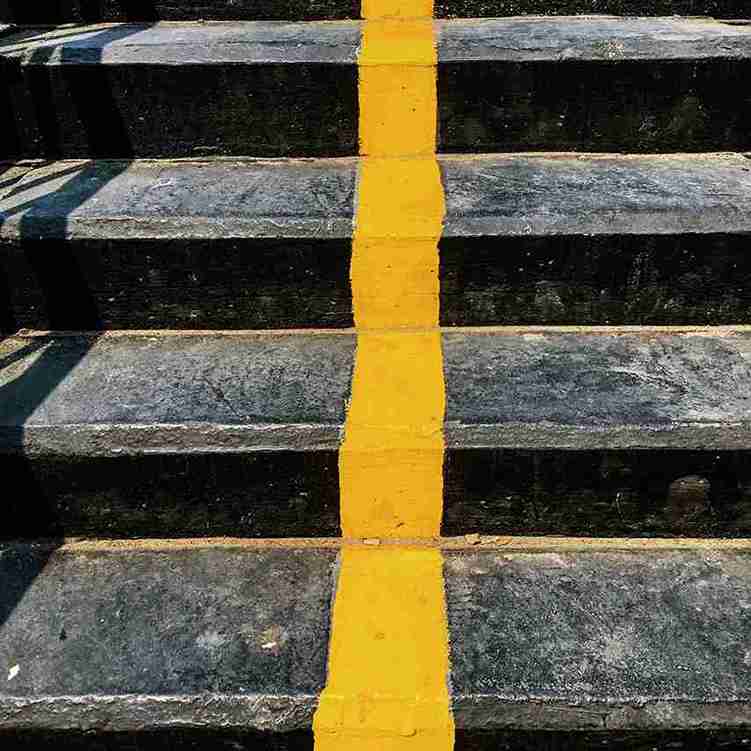
- Bright tape on step edges.
High-contrast tape on the edge of each step particularly the first and last makes depth perception easier for older adults with vision changes. Bright yellow or white reflective tape. $5 from any hardware store.
- Nothing on the stairs.
Books, laundry, shoes, and bags are waiting to go upstairs. All of it is a tripping hazard. The stairs are for walking, not storage.
- Consider a stairlift.
If stairs are a daily challenge, a stairlift changes the risk profile of the home dramatically. Cost ranges from $2,500–$5,000 installed. Some states have assistance programmes contact your local Area Agency on Aging at 1-800-677-1116.
Living room and general areas
- Remove or secure all loose rugs.
Throw rugs are responsible for a disproportionate number of home falls. Remove them entirely or secure all 4 edges with non-slip pads and double-sided tape. If an edge lifts, the rug goes.
- Clear walking paths.
Every path you walk regularly, from bedroom to bathroom, kitchen to living room, and front door to sitting area, should be clear of furniture, cords, and objects. Walk each path and ask, “Could I catch my foot on anything here?”
- Tuck all electrical cords.
Cords running across floors or from behind furniture into the middle of a room are a consistent fall hazard. Cord covers, cable clips, or rerouting behind furniture.
- Stable furniture only.
Wobbly chairs, unstable side tables, furniture on wheels. Any piece of furniture that moves when you lean on it is a fall risk. If you need to grab something on the way past, it needs to hold your weight.
- Good lighting throughout.
The NIH recommends motion-activated lights in stairwells and hallways specifically. LED bulbs in every room: older adults need 3x more light than younger adults to see clearly at the same level.
Outdoors and entrances
- Handrail at the front door.
If there are any steps at the entrance, a handrail is non-negotiable. Install one even for a single step.
- Non-slip material on outdoor steps.
Concrete steps get slippery when wet. Adhesive non-slip strips on every step. Replace them when they wear down.
- Porch light.
Leave the porch light on or install a motion-sensor light. The NIH specifically recommends turning on the porch light if you plan to return home after dark.
- Clear the path.
Fallen branches, garden hoses, uneven paving, wet leaves. Walk your path from the car to the door and identify anything a foot could catch on.
Medications the overlooked fall risk
Certain medications directly increase fall risk. Tranquilizers, sleep aids, antidepressants, blood pressure medications, and antihistamines can all cause dizziness, drowsiness, or blood pressure drops that lead to falls.
The CDC’s STEADI programme specifically includes medication review as a core component of fall prevention. If you’ve noticed dizziness or unsteadiness since starting a new medication, tell your doctor. It’s a documented side effect, not something to push through.
Ask your pharmacist for a medication review. It’s free and takes 15 minutes.
Home safety for elderly adults and exercise: why both matter
Home modifications reduce the environmental risk. Exercise reduces the physical risk. Both together are significantly more effective than either alone.
A Cochrane Review analysed 159 randomised controlled trials of fall prevention interventions covering nearly 80,000 participants. The finding: group exercise programmes (including tai chi), home-based exercise, and home safety modifications combined showed the strongest fall reduction more than any single intervention alone.
The physical side covers balance, strength, and reaction time. The home safety side removes the hazards those systems are trying to protect against. You need both.
Our balance exercises for seniors guide covers the exercise side in detail: 9 specific exercises shown to reduce fall risk by up to 28%.
Our chair yoga for seniors programme is the structured movement practice that builds the strength and balance that make home safety modifications work better.
And our tai chi for seniors guide covers the movement practice with the strongest evidence in fall prevention research.
Your room-by-room home safety checklist for elderly adults
Use this home safety for elderly checklist room by room. Print it and tick each item as you go.
Print this and walk through your home with it.
Bathroom:
- Grab bars installed near toilet, in shower, at bath entry
- Non-slip mat inside shower and tub
- Raised toilet seat or safety frame
- Night light that activates automatically
- Towel rails NOT used as grab bars
Bedroom:
- Lamp reachable from bed before standing
- Night lights along path to bathroom
- Bed at correct height (feet flat, knees 90°)
- Floor path clear of rugs, cords, and furniture
- Phone charged and within reach
Kitchen:
- Frequently used items at waist-to-shoulder height
- No step stools
- Loose mats removed
- Spills cleaned immediately
- Seated food preparation possible
Stairs and hallways:
- Handrails both sides, secured to studs
- Light switches at top and bottom
- Bright tape on step edges
- Nothing stored on stairs
- Motion-activated lights installed
Living areas:
- Loose rugs removed or secured all edges
- Walking paths clear of furniture and cords
- All electrical cords tucked or covered
- Furniture stable and doesn’t move when leaned on
- Good lighting in every room
Outdoors:
- Handrail at every entrance with steps
- Non-slip strips on outdoor steps
- Porch light working or motion-activated
- Path from car to door clear of hazards
Medications:
- Pharmacist medication review done in last 12 months
- Doctor informed of any dizziness or unsteadiness
- High-risk medications identified and monitored
FAQ’s for Home safety for elderly
What room causes the most falls for elderly adults?
The bathroom, consistently. Wet surfaces, confined space, and the physical demands of bathing and toileting combine to make it the highest-risk room in the house. Grab bars and non-slip surfaces are the two changes with the strongest evidence for reducing falls specifically in the bathroom.
What is the single most effective home modification for fall prevention?
Grab bars in the bathroom, according to the systematic review evidence. They were implemented in 100% of effective fall prevention programmes reviewed in the literature. A grab bar near the toilet and inside the shower are the two most critical.
Does Medicare cover home safety modifications?
Original Medicare (Parts A and B) generally doesn’t cover home modifications. But Medicare Advantage plans vary some cover grab bars, ramps, and other modifications. Call your plan directly and ask about “home safety modifications” or “home modification benefits.” Some state programmes also provide assistance contact the Eldercare Locator at 1-800-677-1116.
How do I know if my parent’s home is a fall risk?
Walk through the home using the checklist above. Pay specific attention to loose rugs, bathroom grab bars, lighting levels, step handrails, and medication side effects. An occupational therapist can do a formal home safety assessment ask your GP for a referral.
Can exercise replace home modifications?
No. They address different things. Exercise improves the body’s ability to prevent and recover from balance disturbances. Home modifications remove the hazards that trigger those disturbances in the first place. The research is clear that combining both produces better outcomes than either alone.
The most important thing for home safety for elderly
Most families think about home safety for elderly relatives only after a fall. That’s too late.
A fall that results in a hip fracture has a 30% mortality rate within 12 months in adults over 65. The average hospital cost for a fall injury is $18,658.
The grab bars cost $40. The non-slip mat costs $12. The night light costs $8.
Start with the bathroom. This weekend. That’s the one change that matters most.
Then work through the checklist room by room over the next month. Download our free printable chair yoga for seniors and do it alongside the home changes the movement and the environment working together is where the real protection comes from.