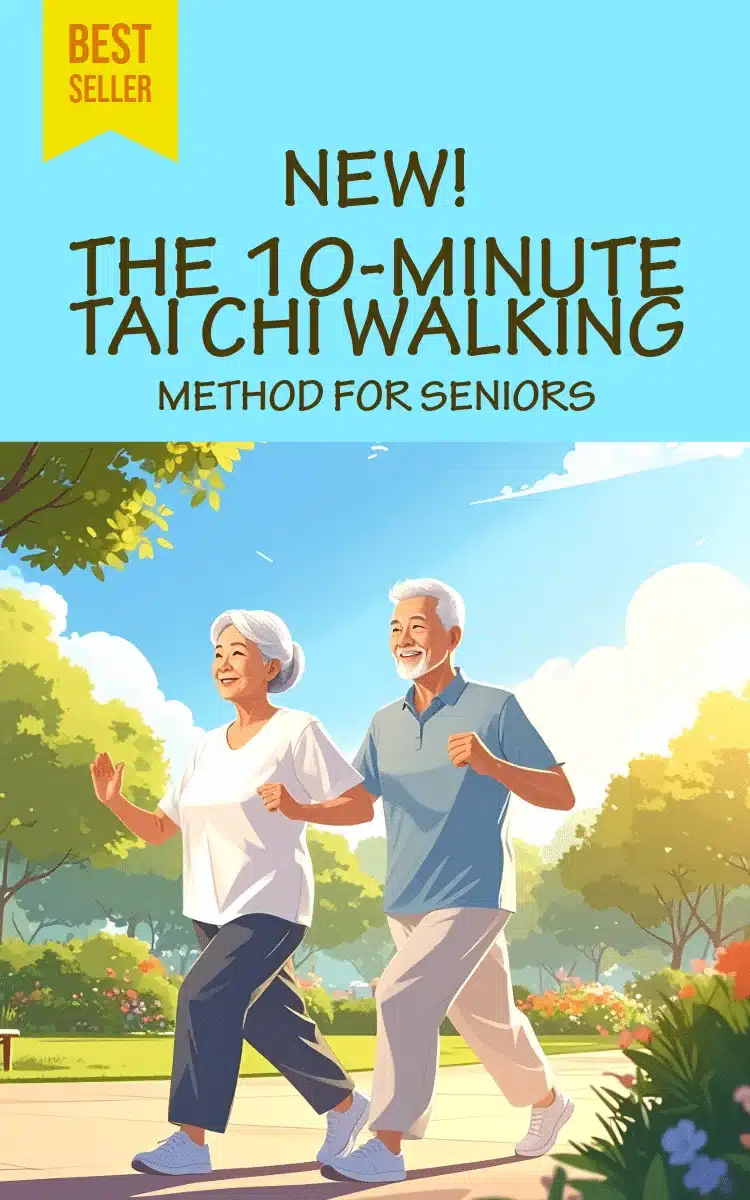
A tai chi class looks like the slowest thing in your neighborhood: 60-year-olds moving in slow motion, barely sweating, silently delighted. That leisurely surface hides one of the better-researched exercise packages for adults over 50. The tai chi benefits stack runs from fewer falls to lower blood pressure to better sleep, and the strongest claims have actual randomized trials behind them, not vibes.
Here are the 10 benefits ranked by the strength of the evidence, with the honest caveats attached, and the prescription (how often, how long) that makes them materialize.
Table of Contents
The 10 benefits at a glance
If you only skim one table today, skim this one.
| SNo | Benefit | Evidence strength | Who it helps most |
|---|---|---|---|
| 1 | Fewer falls and better balance | Strong (multiple RCTs) | Anyone 65+ |
| 2 | Lower blood pressure | Building (2024 RCT) | Prehypertension, high-normal readings |
| 3 | Less joint pain in arthritis and fibromyalgia | Strong (RCT) | Stiff knees, hips, shoulders |
| 4 | Steadier mood and calmer sleep | Moderate (multiple trials) | Stressed minds, light sleepers |
| 5 | Better steadiness with Parkinson’s | Moderate (RCT) | Early-stage Parkinson’s |
| 6 | Heart and circulation support | Moderate | Heart patients, sedentary beginners |
| 7 | Sharper attention and memory support | Emerging | Anyone worried about brain maintenance |
| 8 | Bone-friendly loading | Emerging-moderate | Osteopenia, osteoporosis management |
| 9 | Daily function and independence | Strong pattern | Dressing, stairs, standing from chairs |
| 10 | Low-injury exercise for life | Structural | Everyone else on this list |
Now the depth per benefit, because “at a glance” deserves receipts.
1. Better balance and fewer falls (the headline benefit)
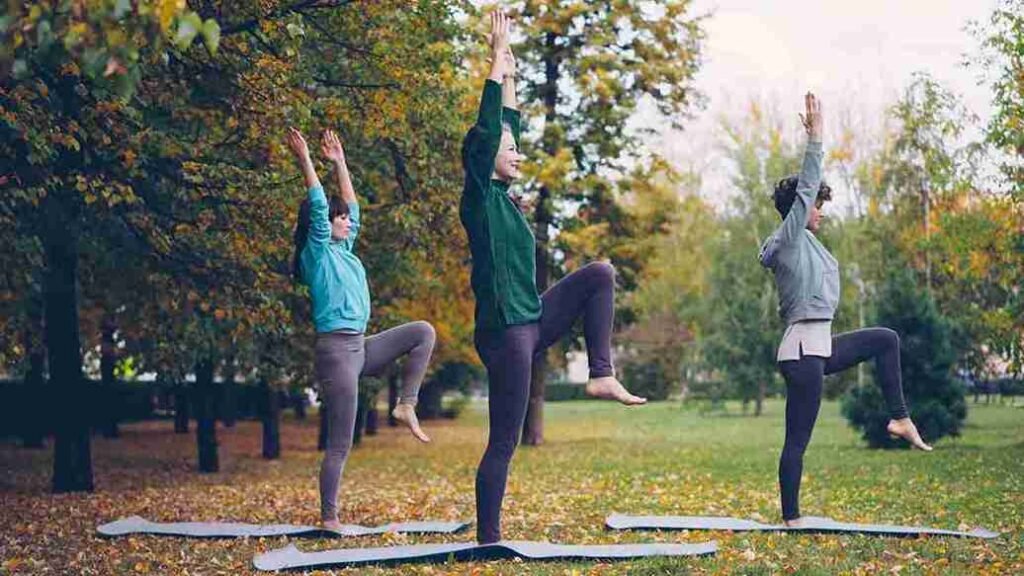
Falls are the injury story of aging, and balance training is where tai chi earns its research reputation. The signature trial (Li and colleagues, published in JAMA Internal Medicine) put older adults into a structured tai ji quan program against stretching and a mixed exercise control: the tai chi group recorded significantly fewer falls, and the advantage grew stronger among participants who had already fallen more than once.
Why it works mechanically: every tai chi transition is a slow, deliberate weight shift, and the form drills single-leg control under near-zero impact. You’re rehearsing exact balance situations a thousand times, gently (“gently” separates this from floor-near-miss cardio).
The catch worth repeating: the studies used taught, supervised programs practiced regularly. A daily 10-minute home routine plus one weekly class is the format the evidence describes. Our tai chi chair exercises cover the supported version that prepares you for it.
2. Lower blood pressure (the newest good news)
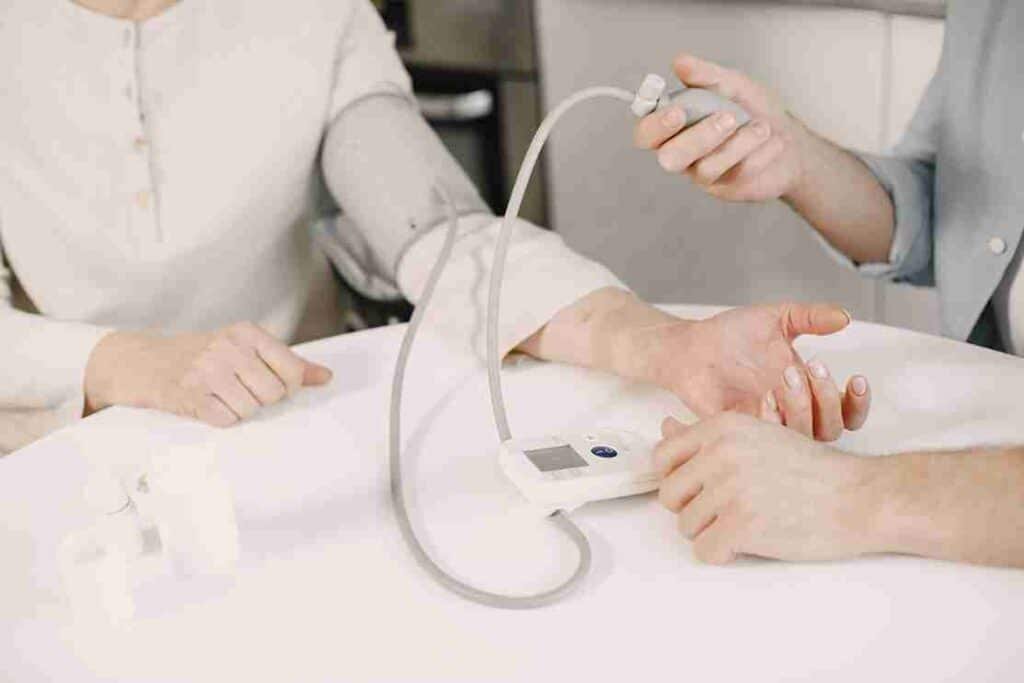
A 2024 randomized clinical trial compared tai chi against aerobic exercise in adults with prehypertension: tai chi outperformed aerobic exercise at lowering systolic pressure across the study period, an encouraging result for a low-impact practice. The NCCIH science summary collects the blood-pressure and heart research in one place if you want the full context.
The mechanism candidates: slow diaphragmatic breathing shifts the nervous system out of alert mode, the continuous gentle contraction acts like moving meditation for your arteries, and relaxed movement keeps you exercising consistently. Blood pressure loves consistency more than intensity.
One honest note: “lower blood pressure” is a management tool, a supplement to medication decisions, never a substitute for them. Bring your cuff readings to your doctor and let them adjust.
3. Less joint pain (arthritis and fibromyalgia)
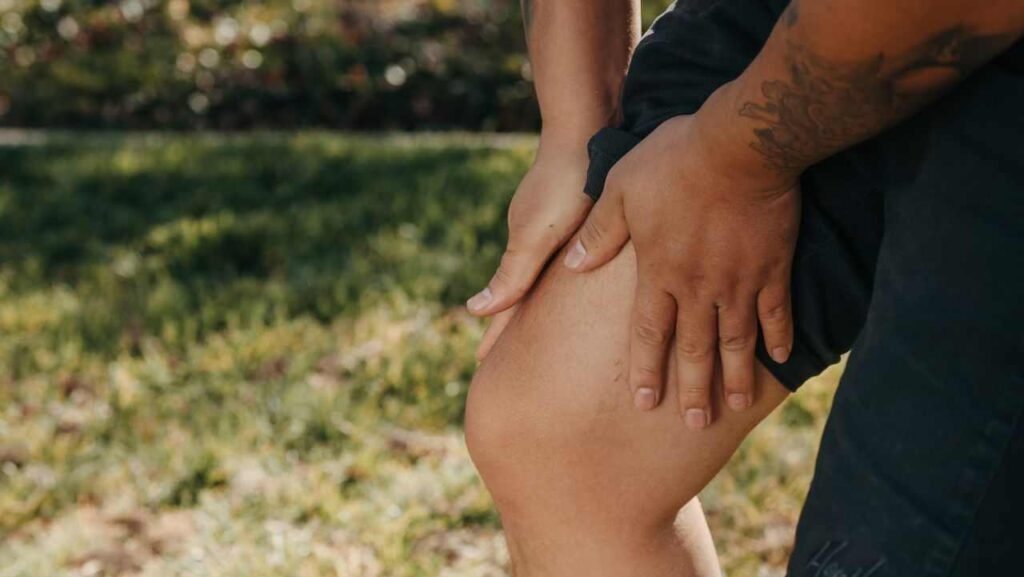
The fibromyalgia randomized trial (published in the New England Journal of Medicine) found tai chi beat standard wellness education on pain and function measures, with gains holding at follow-up. Arthritis-focused programs tell the same story in smaller trials, and Dr. Paul Lam, a family physician, built his entire Tai Chi for Health curriculum (including Tai Chi for Arthritis and Tai Chi for Osteoporosis) around exactly this population. Stiff joints generally reward gentle, rhythmic, weight-bearing movement, and tai chi delivers all three without the impact.
4. Calmer sleep and steadier mood
The sleep cluster of searches on this topic (“tai chi for sleep and anxiety”) maps onto real findings: several trials of tai chi in older adults with sleep complaints reported improved sleep quality versus control activities, alongside reduced anxiety and depressive symptoms. The mechanism is the relaxation response: slow breathing with movement is the manual override your nervous system forgot about.
Sleep benefits show up faster than strength ones, often within the first two weeks of daily practice. If sleep is your actual goal, evening sessions of slow practice beat morning intensity, and the tai chi in a chair guide keeps it feasible from a bad-knee night.

5. Parkinson’s steadiness
A well-known randomized trial in the New England Journal of Medicine found tai chi improved postural stability and walking ability in people with mild-to-moderate Parkinson’s more than resistance or stretching programs. That’s a big-deal finding for a gentle practice, and it’s why movement-disorder clinics increasingly hand out tai chi class info alongside prescriptions.
6. Heart and circulation support
For heart patients and sedentary beginners, tai chi is a legitimate on-ramp: trials and reviews report improved cardiorespiratory markers in stable heart-failure and coronary patients. It won’t train you for a marathon. It’s the practice that keeps you moving when intensity isn’t available. Stationary rechoreographed versions (including the walking variant we cover in our tai chi walking guide) extend the cardiovascular dose without the joint bill.
7. Bones that get told to stay in business
Osteoporosis searches for tai chi keep growing, partly thanks to Dr. Paul Lam’s Osteoporosis program. The mechanism is the same Wolff’s-law logic from our chair yoga for osteoporosis guide: slow weight bearing plus muscular loading signals bone. Tai chi adds balance training, which protects the bones that matter most from the event that matters most (a fall). Evidence on density gains is modest; evidence on falls (the actual fracture driver) is the stronger case.
8. Brain maintenance
Attention, memory, and executive-function studies in older adults consistently show tai chi participants improving versus inactive controls, with the biggest gains in sensorimotor tasks. The honest read here is steadier than hype: tai chi looks like brain-maintenance exercise, the research is younger than the balance research, and “emerging” is the right confidence label until larger trials land.
9. Daily function (the reason any of this matters)
Dressing, bathing, stairs, rising from a low chair. Tai chi’s weight shifting and leg strength convert directly into these tasks, and function-scale scores in trial after trial back it up. This is the benefit that keeps people practicing once the novelty wears off (which is usually exactly the point where other exercise programs die quietly).
10. The practice you can still do at 85
Every benefit above assumes one quiet thing: you keep showing up. Tai chi’s low-injury profile, no-equipment package, and lifetime learning curve (styles, forms, refinements) make continued practice realistic in a way HIIT and running never promise. The most underrated tai chi benefit is that it doesn’t wreck you.
The honest risks column
Autocomplete tells me people search “tai chi benefits and risks” before committing. Fair questions, short answers:
- Low stances can aggravate cranky knees: raise the stance, or start with the chair edition until the legs trust you again.
- Standing pressure shifts can dizzy people with unmanaged blood pressure or orthostatic issues: seated start, doctor conversation first.
- Severe osteoporosis or recent surgery: get clearance, then favor adapted programs (Dr. Lam’s Osteoporosis set is designed for this).
- The practice itself is famously safe; the mistakes usually live in ego stances and skipping the warm-up.
The prescription: how often, how fast
- How often: 2-3 taught sessions weekly plus daily 10-20 minutes at home. The trial protocols landed somewhere near there, and home practice is where the cost-benefit math gets silly-good.
- How fast: balance and sleep benefits usually show inside 4-8 weeks. Blood pressure and function measures land around 12 weeks. Bone changes need scans measured in months. Judge week 4 on how standing up feels, not how you look.
- Format from the actual trials: one teacher, one style (usually Yang for beginners), learned in class, repeated at home. Consistency is the whole secret that keeps getting rediscovered.
Chair edition (the entry point our site exists for)
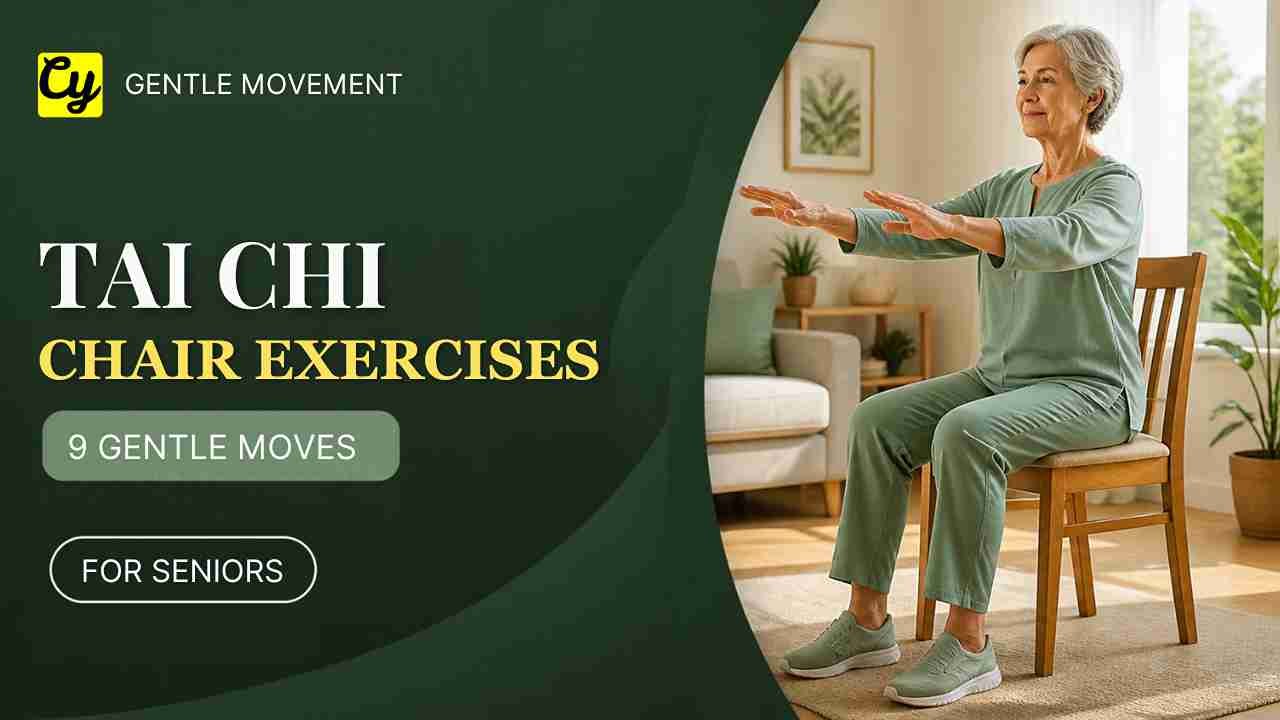
Everything above assumes standing practice eventually. If stairs, knees, or a recent hospital stay put standing off the table, chair tai chi keeps the breathing, attention, and upper-body loading while your legs rebuild. Search data confirms you agree: “does chair tai chi actually work” is its own rising query. Our answer, with all 9 supported moves, lives in the tai chi chair exercises guide, and the choice between the two practices gets its own honest verdict in tai chi vs qigong.
Frequently asked questions
Does tai chi have proven benefits? Yes, with receipts. Randomized trials support benefits for falls prevention, fibromyalgia pain, Parkinson’s steadiness, blood pressure, sleep quality, and overall function in older adults. Strongest evidence sits in balance and falls; disease-specific claims beyond those are the ones to question. The NCCIH review is the best one-stop summary of what’s established.
How often should you do tai chi? Two to three classes (or taught sessions) weekly plus a daily 10-minute home practice matches the formats used in successful trials. Daily practice at home is the single habit that converts classes into results.
How long until tai chi benefits show up? Sleep and calm: often within 2-4 weeks. Balance and function: 4-8 weeks of consistent practice. Blood pressure and measurable strength: closer to 12 weeks. Bone-density signals: months, via scans, on your doctor’s schedule.
Are the benefits different for women and men over 50? The core benefits apply to both, and the trial populations included both. Women may weight bone and balance stakes higher (post-menopause bone loss), men often start from lower baseline flexibility. Choose by the goals and your body’s current limits; the practice doesn’t discriminate much.
Does tai chi help you lose weight? Modestly at best. A session burns roughly 150-250 calories, real but small, and weight loss is dominated by diet. Tai chi supports a weight-loss plan through consistency, stress reduction (fewer stress snacks), and muscle maintenance. Our weight loss guide covers the seated-cousin math honestly.
What are the risks of tai chi? Injury risk is among the lowest of any exercise practice. The realistic trouble spots: low stances straining sensitive knees, lightheadedness in unmanaged blood pressure, and overloading too fast on steep steps. Adapt, raise the stance, or drop to seating; and bring new conditions to your doctor before the first class.
Does chair tai chi actually work? Yes, with adjusted goals. Chair versions preserve the breathing, attention, and upper-body practice that drive mood, sleep, and circulation benefits, with balance work transformed into supported ranges. The steadiness benefits scale to how much standing and weight-shifting your legs can eventually add.
Key takeaways
- The falls evidence is the headline: taught, regular tai chi measurably cuts falls in older adults.
- Blood pressure, fibromyalgia pain, Parkinson’s steadiness, and sleep all have trial support behind them.
- The reliable format: 2-3 weekly sessions plus a daily 10-minute home routine.
- Risks are minimal and mostly management: stance height, dizziness, clearance for fragile bones.
- The chair edition keeps the practice available when standing can’t be, and it’s a real start, honest and complete on its own terms.
Final thought
The debate about tai chi benefits settles in about six weeks, in your own body, on your own stairs. Run the prescription: 2-3 sessions weekly, 10 minutes a day at home, judge your balance at week 4 and your calendar at week 12. Ten benefits wait behind ten quiet mornings.
This article shares general wellness information, not medical advice. Talk to your doctor before starting tai chi, especially with heart conditions, blood pressure concerns, osteoporosis, or a history of falls.