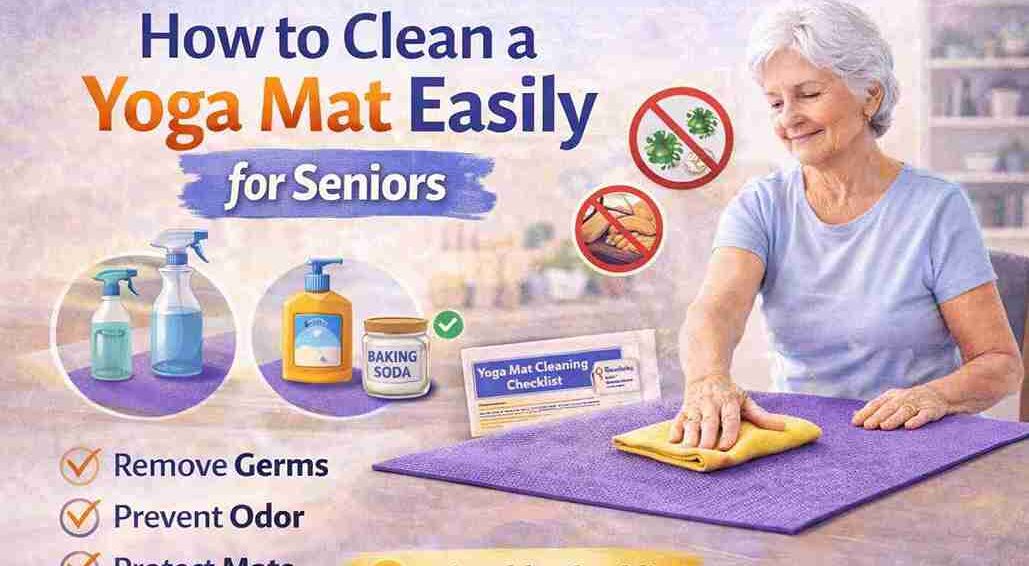
Most people focus on their yoga routine.
Very few think about their yoga mat.
But here’s the surprising reality:
Every yoga session leaves behind sweat, skin oils, dust, bacteria, and moisture on the surface of your mat.
Over time, that buildup can create unpleasant odors, reduce grip, and even make your mat less safe to use.
For seniors, this matters even more.
A slippery yoga mat can increase the risk of slips and falls. A poorly maintained mat may also collect dirt and germs that affect hygiene, especially when used regularly for chair yoga, stretching, or mobility exercises.
The good news?
Learning how to clean a yoga mat doesn’t require expensive products, complicated techniques, or a lot of physical effort.
In fact, most yoga mats can be cleaned using simple household items you probably already have at home.
The challenge is knowing which cleaning methods are safe and which ones can accidentally damage your mat.
Many people unknowingly use harsh chemicals, excessive water, or improper drying methods that shorten the life of their yoga mat and reduce its grip over time.
In this guide, you’ll learn the safest and easiest ways to clean a yoga mat, how often seniors should clean their mats, common cleaning mistakes to avoid, and practical tips for keeping your mat fresh, hygienic, and safe for everyday use.
A few minutes of proper maintenance can help your mat last longer, smell better, and provide a safer surface for every workout, stretch, or chair yoga session.
Table of Contents
Why Cleaning Your Yoga Mat Matters (Especially After 60)
As we age, our immune systems become more sensitive.
The CDC confirms that bacteria and fungi can survive on frequently touched surfaces if not cleaned properly.
Source: https://www.cdc.gov/hygiene/cleaning/index.html
Yoga mats are high-contact surfaces.
A study published in the National Institutes of Health explains that porous surfaces can harbor microbes if not cleaned regularly.
Source: https://www.ncbi.nlm.nih.gov/books/NBK499926/
For seniors, maintaining clean exercise equipment reduces infection risk and improves safety.
How Often Should Seniors Clean a Yoga Mat?
General guideline:
- Light use (2–3 times weekly): Clean once weekly
- Daily use: Light wipe after each session + deep clean weekly
- Sweaty sessions: Clean immediately
Consistency prevents odor and bacteria buildup.
7 Easy Ways on How to Clean a Yoga Mat (Senior-Friendly Methods)
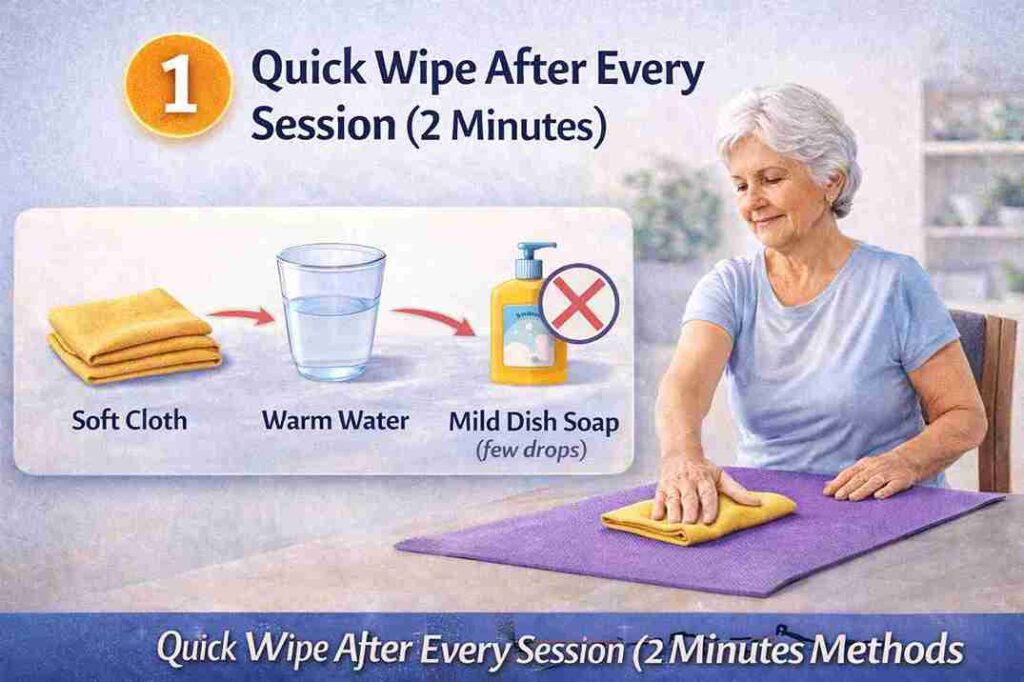
1. Quick Wipe After Every Session (2 Minutes)
Best for: Light maintenance
What you need:
- Soft cloth
- Warm water
- Mild dish soap (few drops)
Steps:
- Mix warm water with a few drops of mild soap
- Dip cloth
- Wipe mat gently
- Air dry completely
Avoid soaking.
2. Vinegar + Water Natural Cleaner
Best for: Odor removal
Mix:
- 1 part white vinegar
- 3 parts water
Spray lightly.
Wipe gently.
Air dry.
Vinegar has natural antimicrobial properties.
The NIH confirms vinegar can reduce certain bacteria on surfaces when properly diluted.
Source: https://pubmed.ncbi.nlm.nih.gov/20347791/

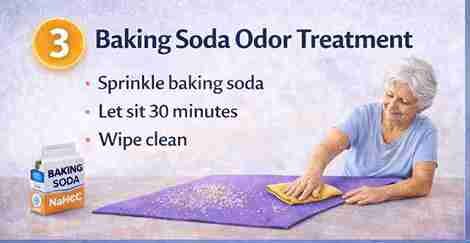
3. Baking Soda Odor Treatment
If your mat smells:
- Sprinkle baking soda
- Let sit 30 minutes
- Wipe clean
Baking soda absorbs odor safely.
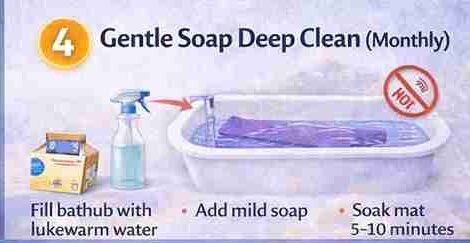
4. Gentle Soap Deep Clean (Monthly)
For deeper cleaning:
- Fill bathtub with lukewarm water
- Add mild soap
- Soak mat 5–10 minutes
- Rinse thoroughly
- Air dry flat
Do NOT use hot water.
Heat can damage the mat material.
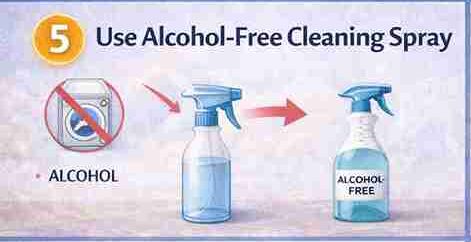
5. Use Alcohol-Free Cleaning Spray
Many commercial sprays contain harsh chemicals.
Choose alcohol-free, mat-safe cleaners.
Harsh chemicals may degrade rubber.
6. Proper Drying Is Critical
Never:
- Put mat in the dryer.
- Leave in direct sun for hours
Instead:
- Hang over shower rod
- Lay flat indoors
- Allow 24 hours drying time
Moisture trapped inside can cause mold.
CDC confirms damp surfaces promote microbial growth.
Source: https://www.cdc.gov/mold/faqs.htm
7. Prevent Dirt Buildup
Prevention reduces cleaning effort:
- Wash hands before yoga
- Practice barefoot
- Store mat rolled in dry place
- Avoid outdoor use
What NOT to Do When Cleaning a Yoga Mat
Avoid:
- Bleach
- Strong disinfectants
- Ammonia
- Scrubbing brushes
- Washing machine
- Dryer
These can:
- Damage texture
- Reduce grip
- Shorten lifespan
How Long Does a Yoga Mat Last?
With proper cleaning:
- 1–3 years average lifespan
Signs it’s time to replace:
- Cracking
- Peeling
- Loss of grip
- Persistent odor
A clean mat lasts longer.
Special Tips for Seniors With Limited Mobility
If bending is difficult:
- Clean mat on table
- Ask caregiver for help
- Use spray bottle instead of soaking
- Use lightweight microfiber cloth
Safety first.
Why Clean Mats Improve Safety
A dirty mat becomes slippery.
Slipping increases fall risk.
Falls are the leading cause of injury in adults over 65.
Clean mats:
- Improve grip
- Reduce slip risk
- Improve hygiene
Free Printable chair Yoga for seniors
Your free printable checklist includes:
- Weekly cleaning schedule
- Safe cleaning recipes
- Step-by-step instructions
- Replacement guide
This makes mat care simple and consistent.
PRINTABLE
Free Printable: Chair Yoga for Seniors (Step-by-Step Poses)
Get a beautiful A4 printable of 10 gentle chair yoga poses for seniors. Each pose includes clear instructions and breathing tips — perfect for daily use!
Why some yoga mats become slippery even when they’re clean
Many people assume a slippery yoga mat means it’s dirty.
Sometimes that’s true.
Sometimes it isn’t.
A mat can be completely clean and still feel slippery.
The reason is often material wear rather than dirt buildup.
Material breakdown vs dirt buildup
Dirt buildup usually creates a greasy feeling.
Material breakdown creates smooth, worn patches where grip has disappeared.
Cleaning helps dirt.
Cleaning cannot restore worn-out texture.
Why older yoga mats lose grip
Over time, repeated use can wear down the surface.
This happens faster when:
- The mat is used daily
- Harsh cleaners are used
- Direct sunlight exposure is frequent
- The mat is stored improperly
Signs cleaning won’t solve the problem
Look for:
- Smooth shiny areas
- Cracking
- Peeling edges
- Permanent slippery spots
These signs usually indicate wear rather than dirt.
When replacement becomes the safer choice
For seniors, grip matters.
A worn mat can increase slip risk.
If cleaning no longer improves traction, replacing the mat is often the safer option.
| Problem | Cleaning Helps? |
|---|---|
| Dirt buildup | Yes |
| Sweat residue | Yes |
| Surface wear | No |
| Cracking | No |
| Texture loss | No |
The hidden cleaning mistakes that shorten a yoga mat’s lifespan
Cleaning helps yoga mats last longer.
Poor cleaning habits can do the opposite.
Over-cleaning
Many people scrub aggressively.
This slowly wears away the surface texture.
Gentle cleaning works better.
Using too much vinegar
Vinegar works well when diluted.
Using concentrated vinegar repeatedly may damage certain mat materials.
Leaving soap residue behind
Soap residue can reduce grip.
Always wipe thoroughly after cleaning.
Storing mats before they’re dry
This is one of the biggest causes of odor.
Moisture trapped inside the mat creates ideal conditions for mold growth.
Hanging mats incorrectly
Some mats develop creases when hung improperly.
Over time these weak points can crack.
Quick maintenance checklist
✓ Use gentle cleaners
✓ Allow full drying
✓ Avoid harsh scrubbing
✓ Store in dry locations
✓ Inspect for wear monthly
Myth vs reality: yoga mat cleaning misconceptions
Yoga mat cleaning advice online isn’t always accurate.
Here are a few common myths.
| Myth | Reality |
|---|---|
| More disinfectant means cleaner | Excess chemicals may damage mats |
| Direct sunlight is always best | Long exposure may degrade material |
| Vinegar works on every mat type | Some materials react differently |
| If it smells clean, it’s clean | Odor isn’t a hygiene test |
| Machine washing is always safe | Many mats can be damaged in machines |
Small mistakes repeated over time often shorten mat lifespan more than normal use.
When a yoga mat may be causing skin irritation
Sometimes the issue isn’t your skin.
It’s the mat.
Residual cleaning chemicals
Strong cleaners can remain on the surface.
Sensitive skin may react.
Mold hidden inside the mat
Foam-based mats sometimes trap moisture.
The surface may look clean while mold develops internally.
Fragrances and perfumes
Scented sprays can irritate sensitive skin.
This is especially common among older adults.
Material sensitivity
Some people react to:
- Latex
- Rubber
- Certain synthetic materials
How to troubleshoot skin irritation
Ask yourself:
- Did symptoms start after switching cleaners?
- Did you recently buy a new mat?
- Does irritation appear only after yoga?
These clues help identify the cause.
A senior-friendly yoga mat maintenance schedule
Most people only clean their mat when it smells bad.
A simple maintenance schedule works much better.
Weekly
- Quick wipe-down
- Check for stains
- Remove dust
Monthly
- Deep clean
- Inspect grip quality
- Check for odor
Every 3 months
- Inspect edges
- Look for cracking
- Test traction
Every 12 months
Evaluate:
- Grip quality
- Surface wear
- Structural condition
Signs it’s time to replace your mat
- Persistent odor
- Reduced grip
- Cracks
- Peeling
- Flattened cushioning
For seniors, mat safety matters just as much as mat cleanliness.
A clean mat supports hygiene.
A well-maintained mat supports safer movement.
Combine Clean Equipment With Safe Chair Yoga
A clean mat supports safe exercise.
For a complete senior-friendly mobility plan, see:
Gentle Yoga & Mobility Guide for Stiff Joints, Balance & Daily Comfort
It includes:
- Chair yoga routines
- Stretching sequences
- Balance exercises
- Sleep recovery methods
How to Store a Yoga Mat Properly
Best storage:
- Cool, dry place
- Rolled loosely
- Away from pets
- Away from moisture
Humidity can damage mats.
Conclusion
Learning how to clean a yoga mat is simple and essential for seniors.
Clean mats:
- Reduce germs
- Prevent odor
- Improve grip
- Extend mat lifespan
- Reduce fall risk
With just a few minutes weekly, you can keep your yoga practice safe and hygienic.
Small habits make a big difference.
FAQs for How to Clean a Yoga Mat
1. How often should I clean my yoga mat?
Once weekly if used regularly. Wipe lightly after each session.
2. Can I wash my yoga mat in the washing machine?
No. Washing machines may damage the mat material.
3. Is vinegar safe for cleaning yoga mats?
Yes, when diluted properly with water.
4. Can I use bleach to clean my yoga mat?
No. Bleach can damage the surface and reduce grip.
5. How long does it take for a yoga mat to dry?
Usually 12–24 hours when air-dried properly.