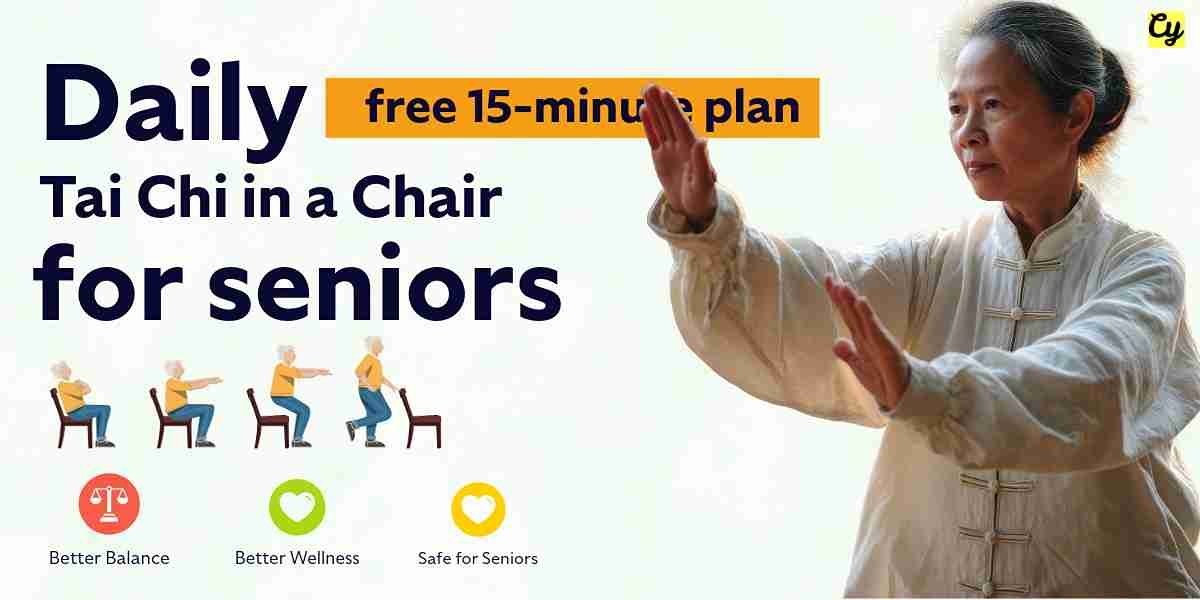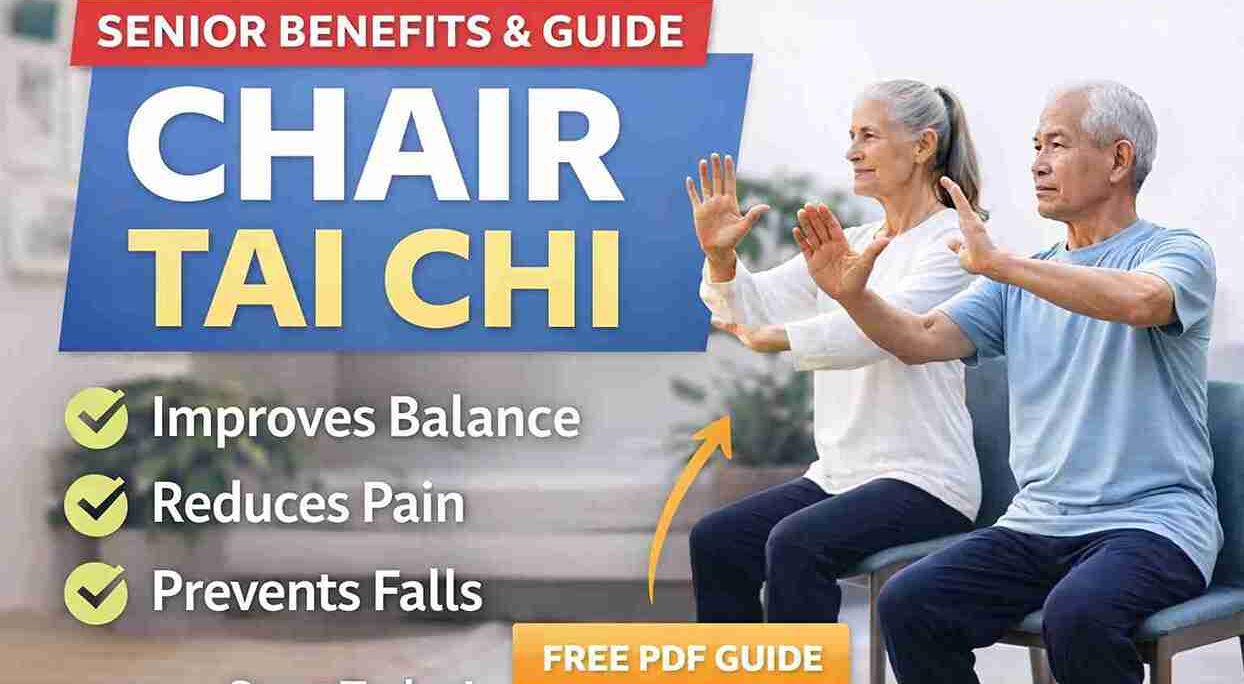
Discover the viral tai chi body weight workout for seniors. Improve strength, balance, and mobility safely at home. Includes free printable PDF routine. If you’ve seen clips online and thought,
👉 “Is this viral Tai Chi body weight workout actually effective… or just hype?”
You’re not alone.
The good news:
👉 It’s real—and surprisingly powerful, especially for seniors.
But it works differently than traditional workouts.
Table of Contents
Does 7 minutes of Tai Chi really work?
Yes, 7 minutes of Tai Chi can work, especially for beginners and seniors—but it depends on your goal.
In just 7 minutes, Tai Chi can:
- Improve blood circulation
- Reduce stress and calm the mind
- Activate muscles gently
- Improve balance awareness
However, for weight loss, strength, or long-term results, you’ll need:
👉 10–20 minutes daily
💡 Best answer
7 minutes of Tai Chi is effective for relaxation, mobility, and balance, but for noticeable physical results, practicing 10–20 minutes daily is recommended.
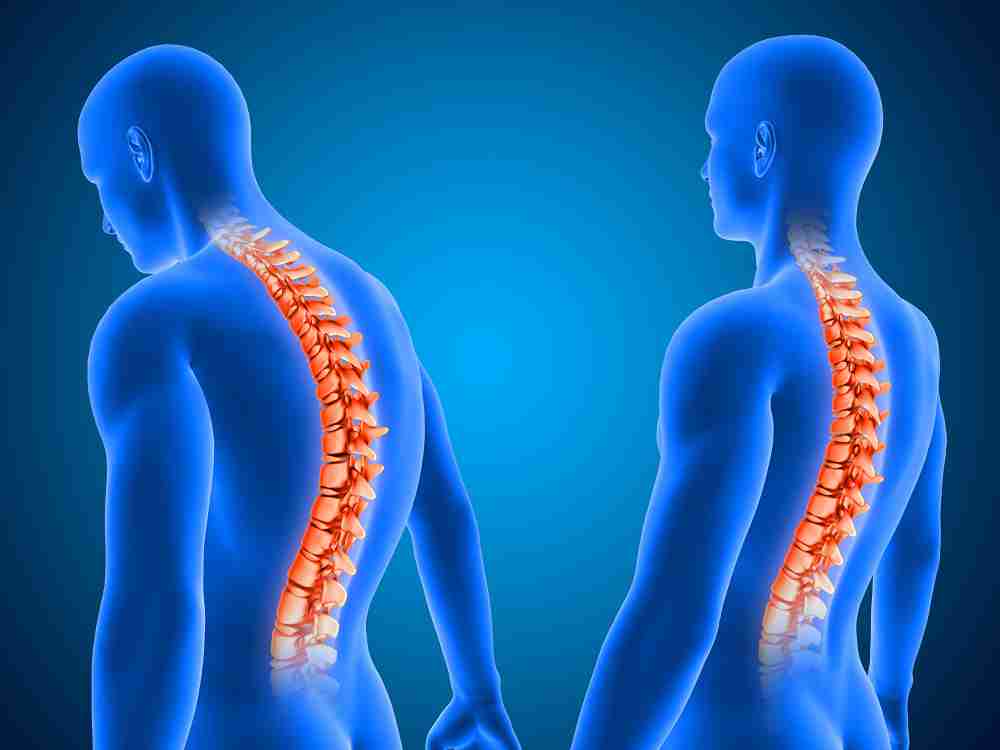
Can Tai Chi help with scoliosis?
Tai Chi can help manage symptoms of scoliosis, but it does not cure the condition.
It may help by:
- Improving posture awareness
- Strengthening supporting muscles
- Reducing stiffness and discomfort
- Enhancing spinal mobility
⚠️ Important:
Tai Chi should be used as a supportive exercise, not a replacement for medical treatment.
💡 Snippet answer:
Tai Chi can help improve posture, flexibility, and pain management in scoliosis, but it does not correct spinal curvature and should be combined with medical guidance.
Why This Workout Works (Science + Logic)
Research from PubMed Central shows Tai Chi can
- Improve muscle strength
- Increase balance and stability
- Enhance coordination
👉 Even though movements are slow, muscles stay under tension longer, which builds strength.
💡 Key Concept:
Slow movement = more muscle control + deeper activation
7 Viral Tai Chi Body Weight Workout Moves
1️⃣ Slow Push Movement
- Extend arms forward slowly
- Feel resistance in air
👉 Builds upper body strength
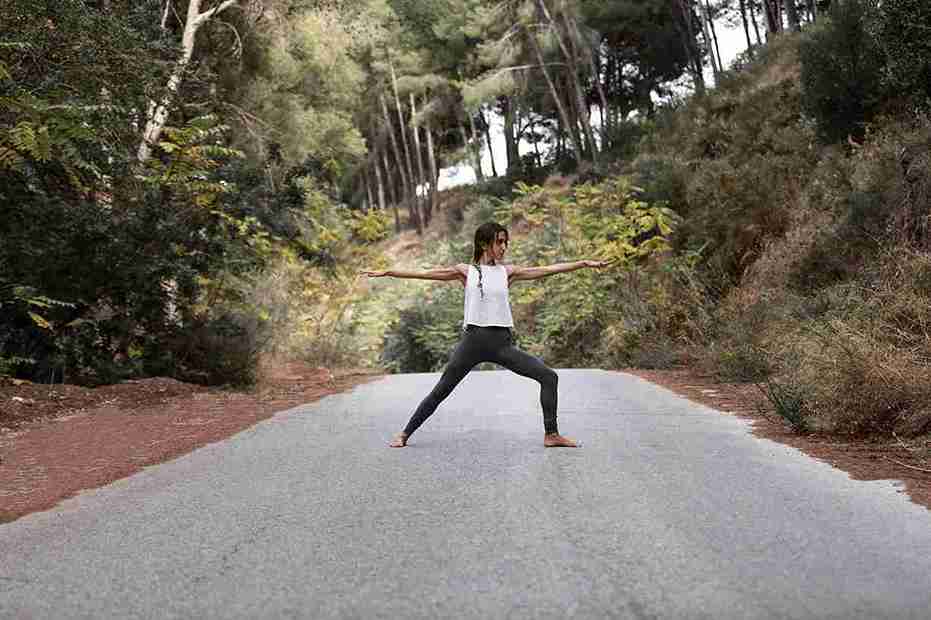
2️⃣ Tai Chi Squat (Gentle)
- Slight knee bend
- Hold position
👉 Strengthens legs safely
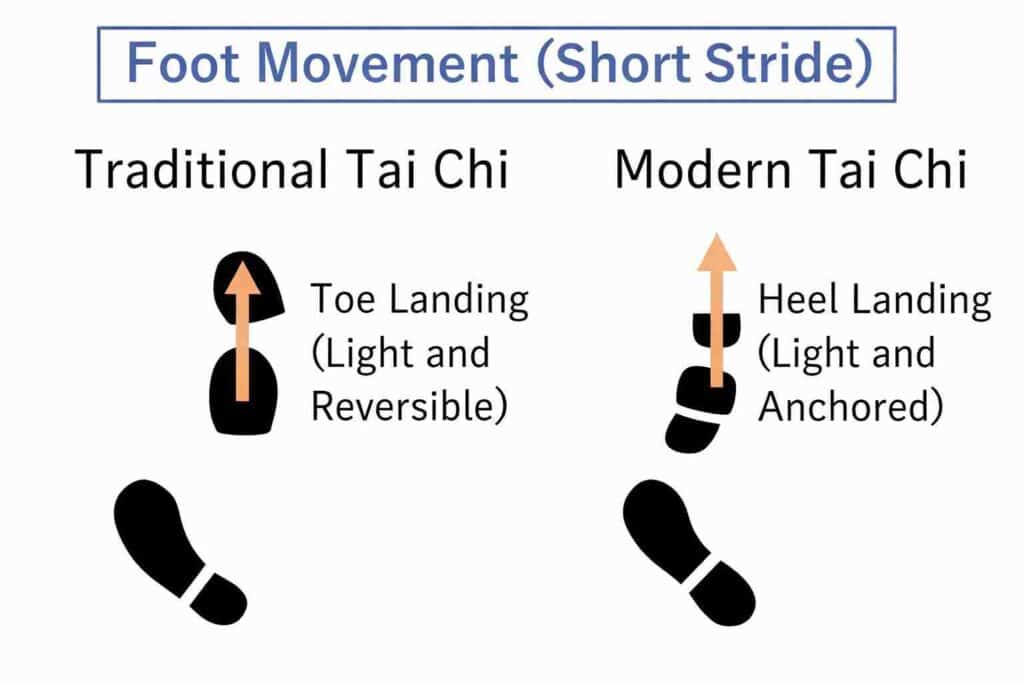
3️⃣ Weight Shift Hold
- Shift weight onto one leg
- Hold balance
👉 Improves stability
4️⃣ Slow Arm Resistance
- Move arms slowly outward
- Control every inch
👉 Activates shoulders
5️⃣ Single-Leg Balance
- Lift one foot slightly
- Hold position
👉 Builds core + balance
6️⃣ Controlled Step Forward
- Step slowly
- Transfer weight carefully
👉 Strength + coordination
7️⃣ Flow Sequence
- Combine all movements
- Move continuously
👉 Full-body workout
10-Minute Viral Tai Chi Workout Plan
Minute-by-minute:
- 2 min → breathing + posture
- 3 min → arm + push movements
- 3 min → stepping + balance
- 2 min → full flow
👉 Perfect for daily routine
Why Tai Chi Doesn’t Work for Some Seniors (And How to Fix It)
Tai Chi has earned its reputation for being gentle, accessible, and surprisingly effective.
But there’s a part people don’t talk about enough.
Some seniors try a routine for 2 weeks, feel almost no difference, and quietly stop.
Then they assume Tai Chi doesn’t work.
Often the issue is something smaller.
Execution.
One pattern shows up again and again.
People move their arms.
Turn slightly.
Breathe.
But body weight never actually shifts.
Knees stay locked.
Core stays relaxed.
Movement looks active.
The body receives very little challenge.
Tai Chi creates change through controlled movement and sustained muscle engagement.
Slow movement by itself isn’t the goal.
Intent matters.
Another thing happens.
People hear “gentle exercise” and interpret it as “zero effort.”
Then every movement becomes so soft that muscles barely participate.
Tai Chi should feel calm.
It should not feel absent.
If your legs feel absolutely nothing after standing and shifting for 10 minutes, movement may have become too passive.
Try this quick self-check after practice:
✓ Did breathing stay controlled?
✓ Did balance feel slightly challenged?
✓ Did muscles work a little?
✓ Could you comfortably repeat tomorrow?
You don’t need exhaustion.
You do need enough engagement for the body to notice.
Small changes done intentionally usually create more progress than large movements done casually.
Movement Quality vs Workout Duration
People ask:
Does 7 minutes of Tai Chi actually work?
Sometimes yes.
Sometimes surprisingly well.
But time alone rarely explains results.
Imagine two people doing the same 7-minute session.
Person A:
Looks at the TV.
Moves arms.
Goes through the motions.
Person B:
Moves deliberately.
Controls posture.
Transfers body weight.
Pays attention.
Same time.
Different result.
Movement quality changes what the body experiences.
Here are 4 things that matter more than people expect.
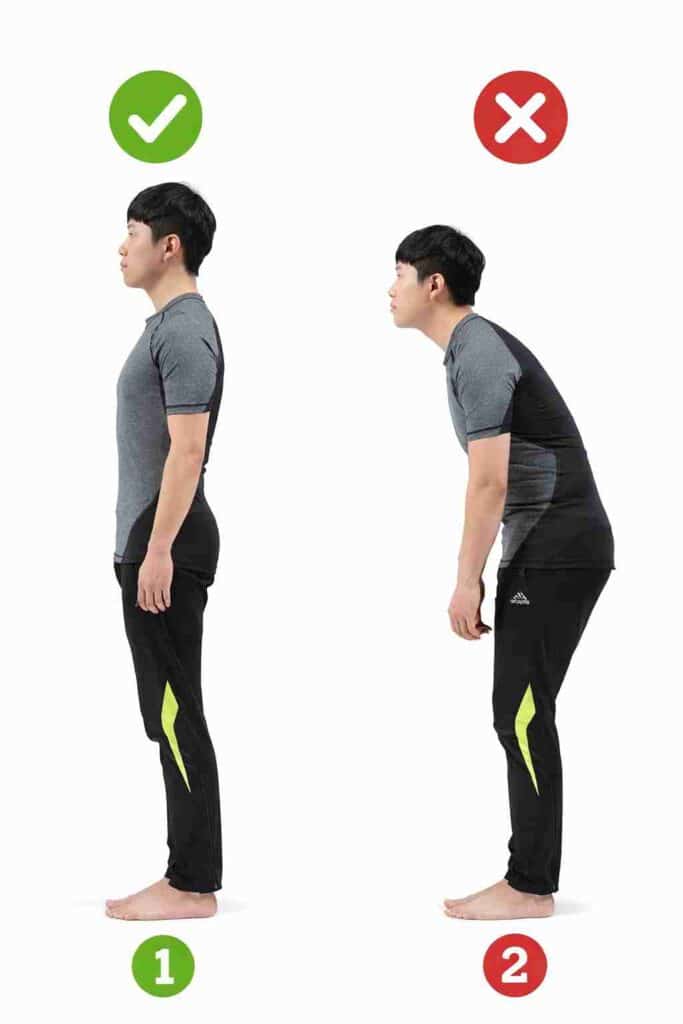
Posture
Keep the head tall.
Relax the chest.
Avoid leaning.
Small posture changes affect breathing and control.
Weight Transfer
Actually move body weight.
Most beginners stay centered because it feels safer.
That reduces balance training.
Control
Move slowly enough that momentum doesn’t do the work.
Smooth movement usually teaches more than rushed movement.
Breath
Exhale naturally.
Avoid holding tension.
Breathing often changes movement quality more than people expect.
A practical observation:
If movement feels easier at minute 7 than minute 1 every single session, there’s a chance effort became too casual.
Good Tai Chi often stays comfortable while still asking for attention.
Myth vs Reality: Viral Tai Chi Advice That Falls Apart in Practice
Tai Chi online gets simplified.
Short videos reward simple messages.
Real practice behaves differently.
Here’s where expectations usually need adjustment.
| Claim | Reality |
|---|---|
| Tai Chi burns major calories | Usually moderate |
| Daily practice means faster results | Recovery still matters |
| Seniors shouldn’t feel effort | Mild effort helps |
| Tai Chi replaces walking | Different outcomes |
| Slow means easy | Slow can feel surprisingly demanding |
One comparison surprises people.
Walking often improves endurance faster.
Tai Chi often improves movement confidence faster.
Those aren’t competing goals.
They train different things.
Many older adults care more about standing comfortably, carrying groceries, turning safely, and moving with confidence than chasing workout intensity.
Another hidden point:
Sessions that feel sustainable are usually easier to repeat.
Repeated practice changes more than occasional perfect sessions.
Hidden Adaptations: What Changes After 30, 60, and 90 Days
People often expect visible change first.
That expectation causes a lot of unnecessary disappointment.
Tai Chi usually changes things in a different order.
Days 1–14
Movements feel unfamiliar.
You notice things you ignored before.
One leg feels less stable.
Turning feels uneven.
That awareness is progress.
Days 15–30
Standing feels easier.
Walking feels smoother.
Confidence starts improving.
Days 31–60
Weight transfer becomes more automatic.
Less hesitation.
Less overthinking.
Days 61–90
Daily movement feels quieter.
Standing up takes less effort.
Stiffness becomes less noticeable.
Many people describe this stage the same way:
“I don’t feel dramatically stronger. Things just feel easier.”
That’s often how movement adaptation feels.
Early improvement often shows up in coordination before appearance.
That’s normal.
How Experienced Practitioners Progress Tai Chi Without Making It Harder
People often assume progress means doing longer sessions.
Experienced practitioners usually think differently.
Progress often means increasing control.
A simple progression can look like this.
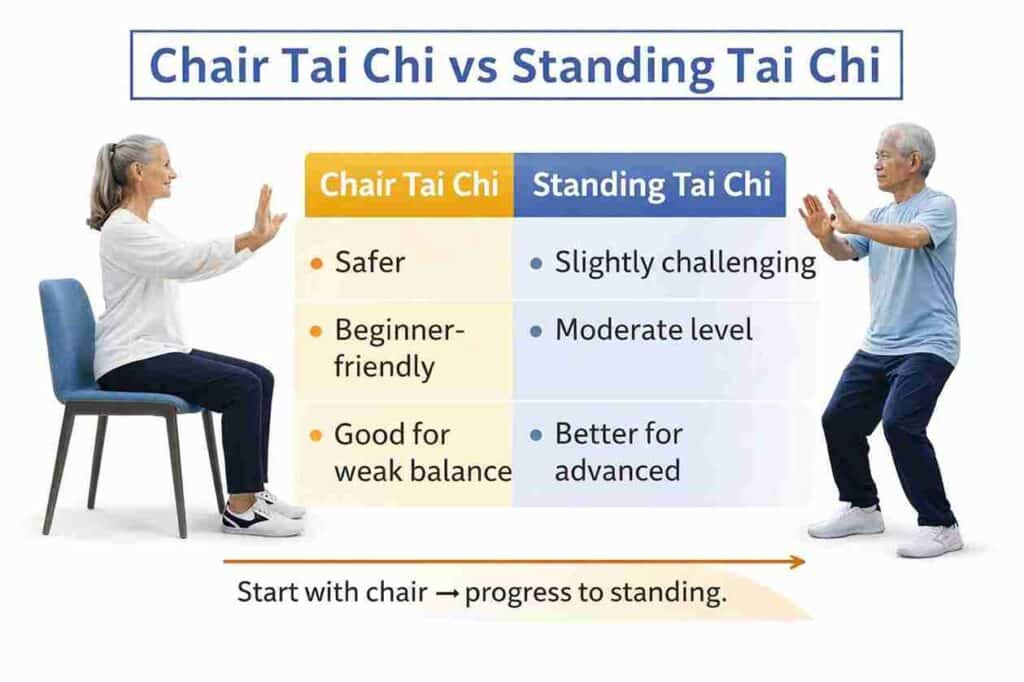
Week 1:
Learn movement.
Week 2:
Hold positions 3 seconds longer.
Week 3:
Reduce support.
Week 4:
Combine movements.
Example:
Weight shift → hold → slow step → controlled reach.
Now posture, breathing, balance, and coordination work together.
That creates challenge without adding intensity.
Another useful approach:
Progress one variable at a time.
Examples:
- smoother movement
- longer control
- cleaner posture
- steadier breathing
Advanced practice often looks smaller from the outside.
Inside, more attention is happening.
One coach-style rule works well:
Leave 1–2 good reps in reserve.
Finish feeling like you could continue.
That usually keeps recovery manageable and consistency high over time.
Tai Chi Body Weight vs Gym Workout
| Feature | Tai Chi Workout | Gym Workout |
|---|---|---|
| Impact | Low | High |
| Safety | Very High | Medium |
| Equipment | None | Required |
| Best For | Seniors | Younger adults |
👉 Tai Chi wins for long-term consistency
What happens if you do Tai Chi every day?
Practicing Tai Chi daily leads to gradual but powerful improvements in both body and mind.
Over time, you may notice:
- Better balance and stability
- Reduced joint stiffness
- Improved flexibility
- Lower stress and anxiety
- Better sleep quality
For seniors, daily Tai Chi can also:
👉 Reduce the risk of falls significantly
💡 Snippet answer:
Doing Tai Chi every day improves balance, flexibility, and mental calmness while reducing stress and fall risk, especially in older adults.
Is Tai Chi really better than walking?
Tai Chi is not necessarily “better” than walking; it’s different.
Tai Chi:
- Improves balance and coordination
- Strengthens muscles slowly
- Enhances mind-body connection
Walking:
- Burns more calories
- Improves cardiovascular health
👉 Best approach:
Combine both.
💡 Snippet answer:
Tai Chi is better for balance and stability, while walking is better for cardio. Combining both provides the best overall health benefits.
Is Tai Chi good for MS (multiple sclerosis)?
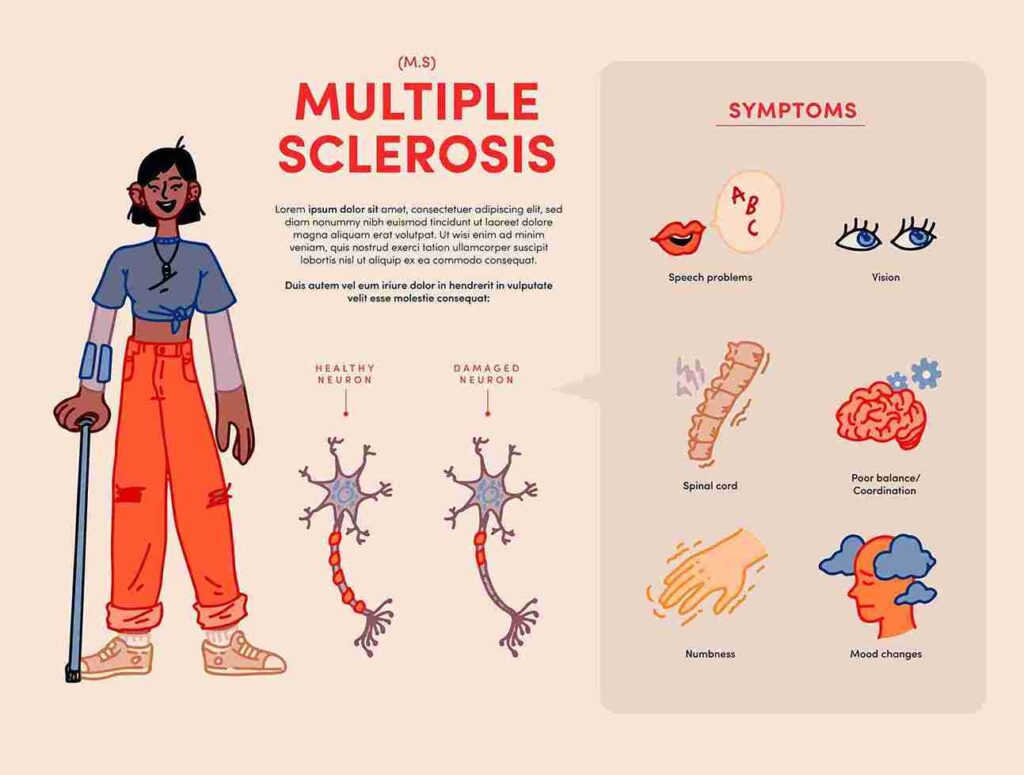
Yes, Tai Chi can be beneficial for people with multiple sclerosis, especially for managing symptoms.
It may help:
- Improve balance and coordination
- Reduce fatigue
- Enhance mobility
- Support mental well-being
Because Tai Chi is gentle and low-impact, it is often suitable for people with limited mobility.
⚠️ Always consult a doctor before starting.
💡 Snippet answer:
Tai Chi is a safe, low-impact exercise that may improve balance, mobility, and fatigue in people with multiple sclerosis when practiced regularly.
7-Day Starter Plan
| Day 1–2: | 5 minutes |
| Day 3–4: | 10 minutes |
| Day 5–7: | 15 minutes |
👉 Increase gradually
What illness does Tai Chi help?
Tai Chi supports a wide range of health conditions by improving movement, balance, and mental relaxation.
It may help with:
- Arthritis
- Chronic pain
- Balance disorders
- Anxiety and stress
- Heart health
- Mild depression
Research (via PubMed Central) shows Tai Chi is especially effective for the following:
👉 Fall prevention and mobility in seniors
💡 Snippet answer:
Tai Chi helps with arthritis, balance issues, stress, and chronic pain by improving mobility, coordination, and mental relaxation.