Many people notice mobility changes slowly.
One day getting out of chairs feels normal.
Later, a few years later, stairs feel harder.
- Bending down takes longer.
- Turning quickly feels awkward.
Mobility training seniors search for usually isn’t about becoming athletic.
It’s about keeping everyday movement easier.
- Walking.
- Standing.
- Reaching.
- Getting out of bed.
- Playing with grandchildren.
These things matter.
The good news?
Mobility training doesn’t need expensive equipment.
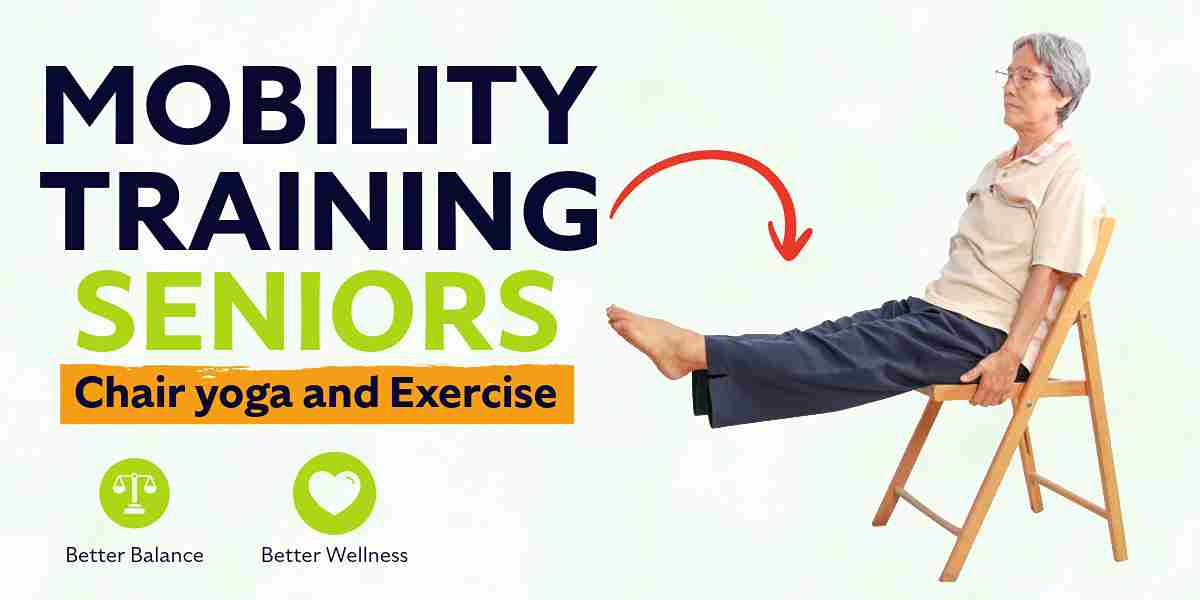
And for many older adults, chair yoga makes mobility training easier to start.
Table of Contents
Mobility training meaning: What does mobility actually mean?
People often mix mobility and flexibility together.
They aren’t identical.
Flexibility usually means “how much muscles can stretch.”
Mobility usually means “how well your body moves through useful ranges of motion.”
You can have flexible hamstrings and still struggle standing up.
Mobility includes:
- Joint movement
- Coordination
- Balance
- Control
- Strength
This is why mobility training matters more than stretching alone.
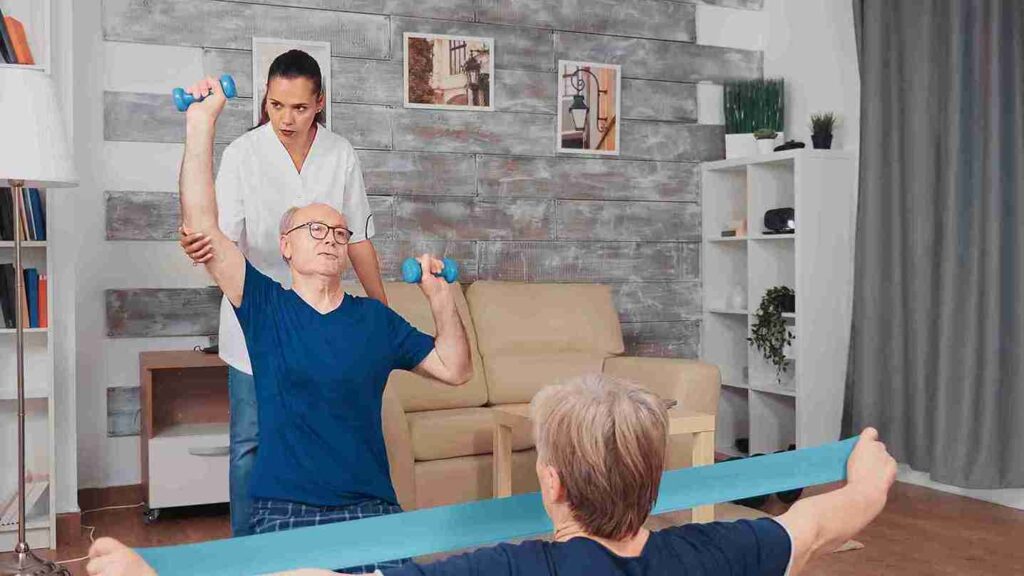
Why mobility becomes more important after 60
Aging changes movement.
Common changes include:
- Joint stiffness
- Reduced muscle mass
- Less daily movement
- Balance changes
- Slower recovery
According to recommendations from National Institute on Aging exercise guidance, movement remains important for maintaining physical function and independence.
Mobility training helps because it trains movements people actually use daily.
Does mobility training actually work?
Usually yes.
Consistency matters.
Mobility training research often focuses on improving:
- Balance
- Daily movement
- Physical function
- Walking ability
- Confidence moving
Many older adults notice improvements gradually.
Sometimes improvements appear as:
- Walking easier.
- Standing easier.
- Feeling less stiff.
Small changes count.
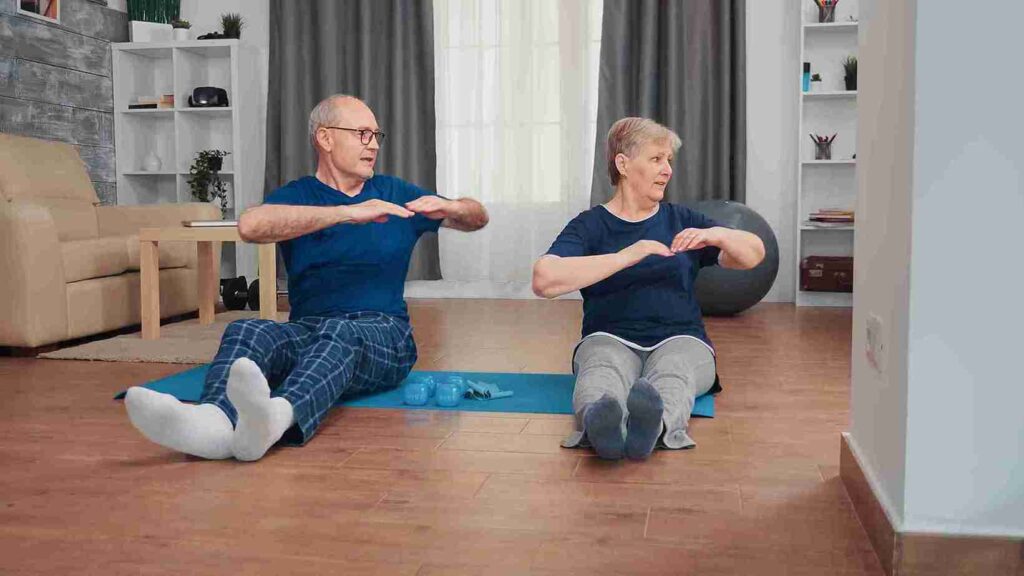
Why chair yoga works well for mobility training seniors
Chair yoga removes barriers.
You don’t need:
- Floor exercises
- Advanced flexibility
- Large spaces
- Long workouts
Chair yoga mobility routines work because they create movement with support.
That support matters.
Especially when balance feels less predictable.
Mobility training seniors at home: where should beginners start?
Start small.
Really small.
- 5 minutes works.
- 10 minutes works.
Long sessions usually aren’t necessary.
Try this beginner chair yoga mobility routine.
1. Seated breathing
- 1 minute
- Sit tall.
- Relax shoulders.

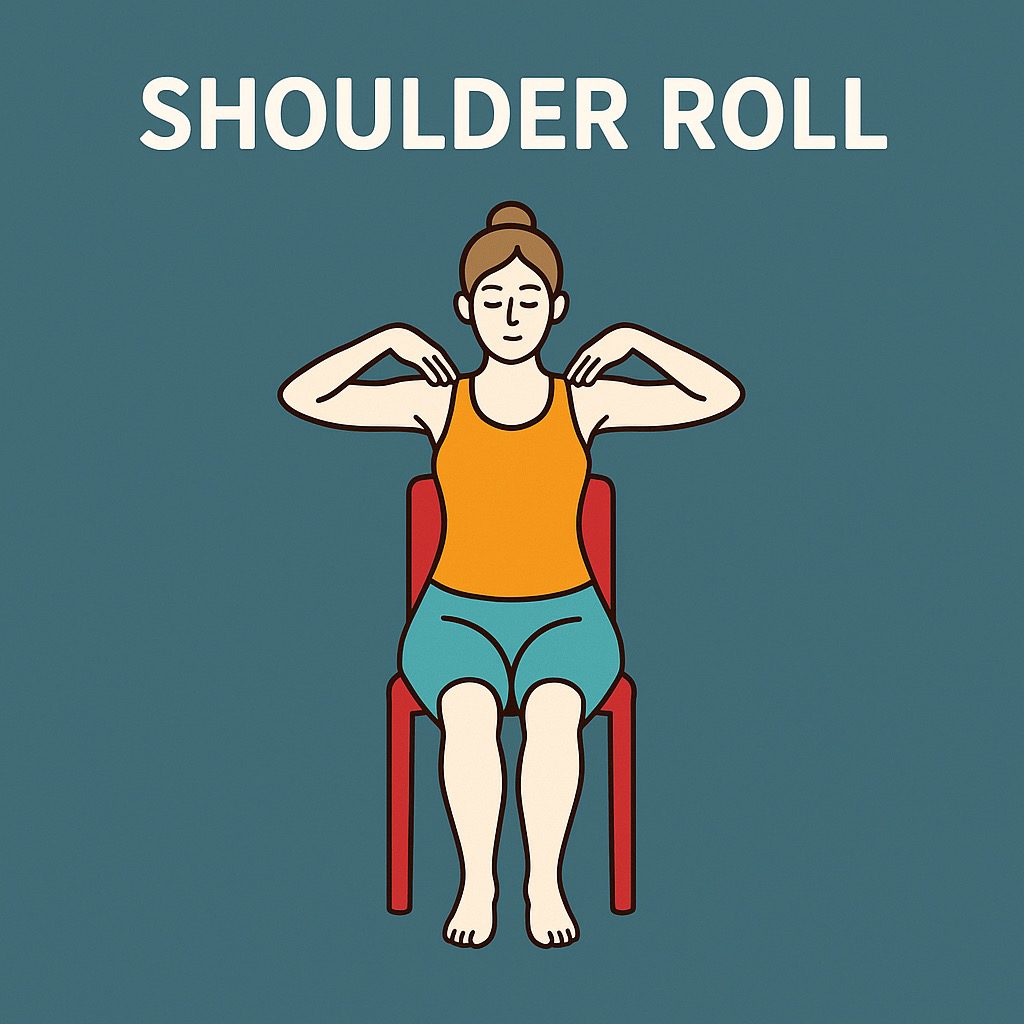
2. Shoulder circles
- 30 seconds
- Forward.
- Backward.
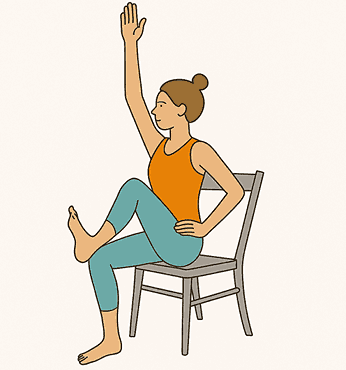
3. Seated marching
- 1 minute
- Lift knees slowly.
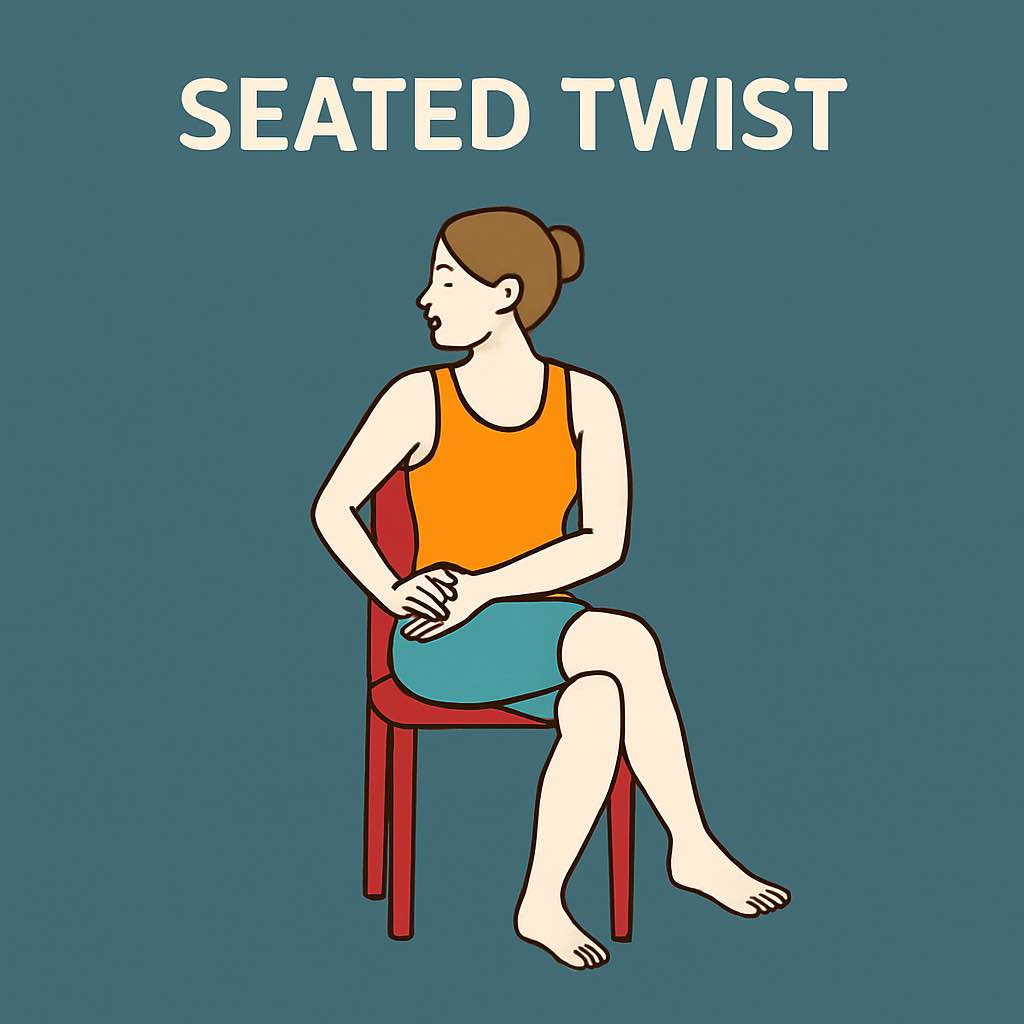
4. Seated twists
- 30 seconds each side
- Move gently.
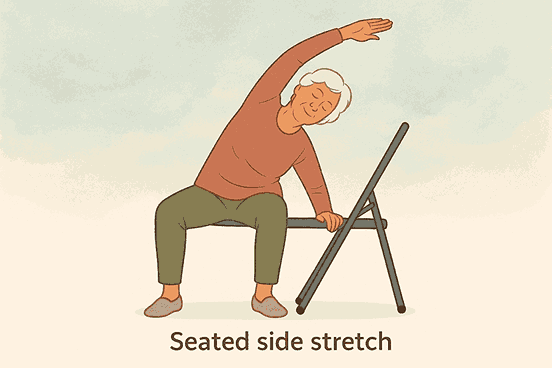
5. Side reaches
- 30 seconds
- Stretch comfortably.
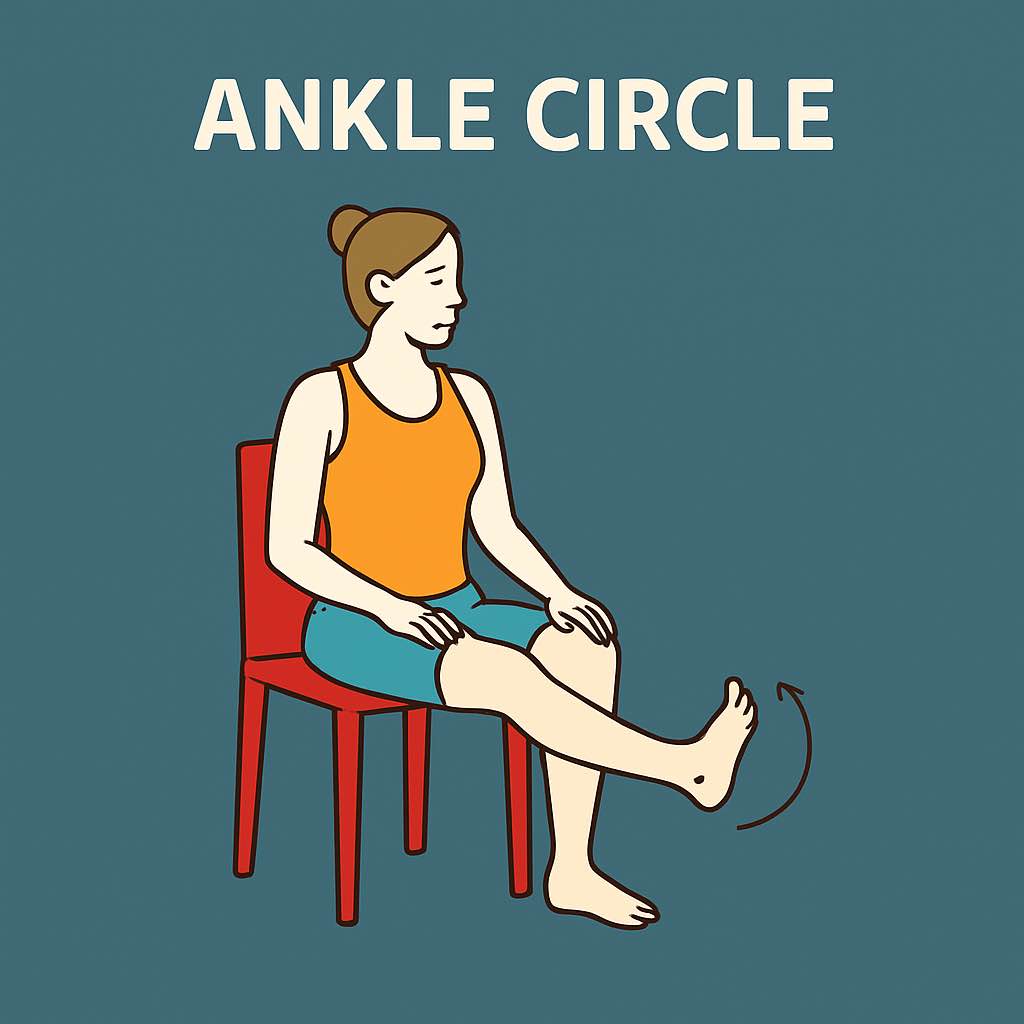
6. Ankle circles
- 30 seconds each side
This routine takes roughly 8 to 10 minutes.
That is enough for beginners.
Mobility recliners for seniors with arthritis pain relief
Mobility recliners for seniors with arthritis pain relief: Check this out
Free mobility training seniors can start today
People often think mobility training requires equipment.
Usually it doesn’t.
Many free routines use:
- Chairs
- Walls
- Body weight
- Household furniture
We provide free printable PDFs because beginners should try routines first before spending money on structured programs.
Simple routines first.
More structure later.
PRINTABLE
Free Printable: Chair Yoga for Seniors (Step-by-Step Poses)
Get a beautiful A4 printable of 10 gentle chair yoga poses for seniors. Each pose includes clear instructions and breathing tips — perfect for daily use!
Why many people quit mobility routines
Usually because:
- Sessions are too long
- Exercises feel confusing
- Expectations are unrealistic
- Progress feels slow
Simple routines survive longer.
Complicated routines disappear quickly.

Want more movement routines?
You can naturally internally link here:
- Chair Yoga For Seniors
- Chair Yoga Free
- Chair Yoga Book
- Chair Yoga For Back Pain
- How To Do Chair Yoga
These articles create stronger movement coverage.
Mobility training for increasing mobility and functioning in older people with frailty
Frailty changes movement.
Exercises that work for active older adults may feel completely different for someone with frailty.
Mobility training for frailty usually works better when:
- Sessions stay shorter
- Recovery periods increase
- Chair support remains available
- Progress happens gradually
People with frailty often benefit from practicing movements they use daily.
Examples:
- Standing from chairs
- Reaching overhead
- Turning safely
- Walking short distances
Small improvements matter.
Standing up easier counts.
Walking to the kitchen easier counts too.
Mobility exercises for beginners using chair yoga
Beginners usually need fewer exercises.
Not more.
Try this simple routine.
1. Seated neck mobility
- Turn slowly.
- Look left.
- Look right.
- 30 seconds.
2. Shoulder mobility
- Slow circles.
- Forward.
- Backward.
- 30 seconds.
3. Seated marching
- Lift knees comfortably.
- 1 minute.
4. Sit-to-stand practice
- Stand slowly.
- Sit slowly.
- Repeat 5 times.
- Use chair support.
5. Heel raises
- Raise heels.
- Lower slowly.
- 10 repetitions.
6. Side reaching
- Reach overhead gently.
- 30 seconds each side.
This routine takes roughly 10 minutes.
Enough is enough.
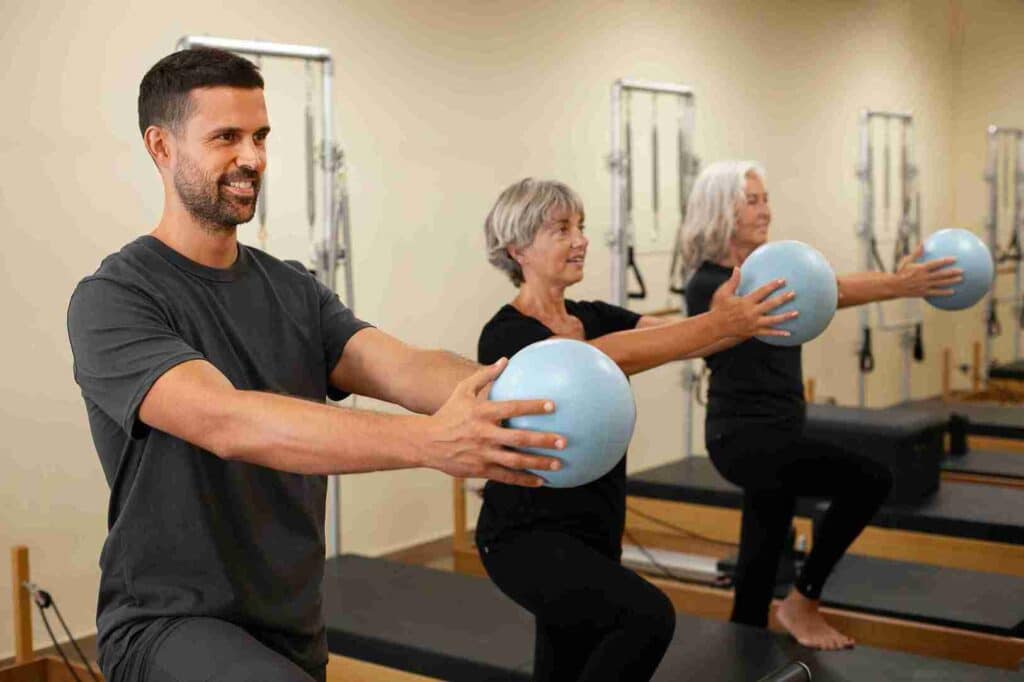
What are the best exercises for mobility in the elderly?
Many exercises work.
These tend to help because they mimic real movement.
1. Sit to stands
Useful because:
- People sit daily
- People stand daily
2. Marching movements
Helps with:
- Coordination
- Balance
- Hip mobility
3. Shoulder mobility exercises
Helpful for:
- Dressing
- Reaching shelves
- Carrying objects
4. Ankle mobility
Useful because:
- Walking requires ankle movement
- Stiff ankles change balance
5. Chair yoga movements
Chair yoga combines:
- Mobility
- Balance
- Coordination
- Controlled movement
According to recommendations from Centers for Disease Control and Prevention older adult activity guidelines, movement patterns involving strength, balance, and activity remain important as people age.
YouTube mobility workout for beginners
Lots of people prefer video.
Makes sense.
Search terms that usually work:
- youtube mobility workout for beginners
- beginner chair yoga mobility
- mobility exercises seniors
- seated mobility routine
Save 2 or 3 creators.
You don’t need dozens.
Too many options create friction.
YouTube mobility exercises for seniors
Look for instructors that:
✓ Move slowly
✓ Show modifications
✓ Use chairs
✓ Explain movements clearly
✓ Avoid extremely long sessions
People stick with routines they understand.
What is the 3-3-3 rule for exercise?
People use this term differently.
One simple version many beginners follow:
- 3 days movement
- 3 types of movement
- 3 core priorities
Example:
1. Movement frequency
- 3 days weekly minimum
2. Movement categories
- Strength
- Mobility
- Balance
3. Priorities
- Consistency
- Safety
- Recovery
Simple frameworks survive longer.
What should a 70 year old be doing every day?
Daily movement does not need to be extreme.
Many older adults benefit from:
- Walking
- Light mobility work
- Balance practice
- Stretching
- Chair yoga routines
A realistic daily routine:
Morning: 5 minutes mobility
Afternoon: Short walk
Evening: Chair yoga routine
Small movement sessions throughout the day often feel easier than long workouts.
Why mobility training sometimes feels harder initially
People rarely talk about this.
Starting movement can temporarily create:
- Mild soreness
- Muscle fatigue
- Feeling stiff initially
Usually: Movement becomes easier with consistency.
Progress often looks uneven.
That’s normal.
Free printable mobility routines and structured programs
Many beginners should start free.
Try:
- Free printable PDFs
- Short chair yoga routines
- Beginner mobility plans
Build consistency first.
Then move toward longer structured programs if needed.
Our mobility and chair yoga guides work better after movement habits already exist.
PRINTABLE
Free Printable: Chair Yoga for Seniors (Step-by-Step Poses)
Get a beautiful A4 printable of 10 gentle chair yoga poses for seniors. Each pose includes clear instructions and breathing tips — perfect for daily use!
Advanced mobility progression for seniors: how to increase movement safely
Mobility training works better when progress stays gradual.
People often jump from 10-minute routines
To: 40-minute routines
Usually too fast.
Try progressing like this:
Stage 1: Build movement habit
Goal:
- 5 to 10 minute sessions
- Learn movement patterns
- Improve consistency
Stage 2: Increase movement tolerance
Add:
- More repetitions
- Slightly longer sessions
- Additional exercises
Stage 3: Build movement confidence
Focus on:
- More frequent practice
- Better balance work
- Larger movement ranges
Stage 4: Maintain movement quality
Goal:
- Prevent stiffness
- Keep mobility habits
- Continue daily movement
Progress slowly.
Your joints appreciate patience.
Common mistakes seniors make during mobility training
1. Doing mobility only when stiffness appears
- People often wait until movement feels difficult.
- Mobility usually works better consistently.
2. Ignoring balance training
- Mobility and balance work together.
- Skipping balance leaves gaps.
3. Doing only stretching
Mobility includes:
- Strength
- Coordination
- Control
- Movement
Stretching alone usually isn’t enough.
4. Sitting too long after exercising
This happens often.
- People finish mobility work.
- Then sit 5 hours.
- Movement throughout the day still matters.
Myth vs reality: mobility training misconceptions
| Myth | Reality |
|---|---|
| Mobility training is stretching | Mobility includes control, strength, balance, and movement |
| Older adults should avoid movement when stiff | Gentle movement often helps stiffness |
| Longer workouts work better | Consistency usually matters more |
| Mobility training requires equipment | Many routines need only chairs |
| You need flexibility first | Mobility training often improves flexibility gradually |
Many people discover mobility is simpler than expected.
Why daily habits matter more than workouts
Workouts might last 10 minutes.
Habits last: The entire day.
Things that often influence mobility:
1. Sitting duration
- Long sitting sessions increase stiffness.
2. Sleep quality
- Poor sleep changes recovery.
3. Walking frequency
- Short walks help.
4. Position changes
- Frequent movement matters.
Small habits add up.
Daily mobility checklist for seniors
Try keeping things simple.
- Move every few hours
- Practice chair yoga routines
- Walk when possible
- Use stairs if comfortable
- Practice balance safely
- Stretch gently
- Stay consistent
Print this if needed.
Simple checklists work.
Should seniors train mobility every day?
Often yes.
Intensity changes.
Daily movement may include:
- Walking
- Chair yoga
- Stretching
- Balance exercises
- Short mobility sessions
Heavy sessions daily may feel harder.
Movement daily often works better.
When should you move beyond free mobility routines?
Free routines work well initially.
People often want more structure when they start asking:
- What should I do next?
- How should I progress?
- Which exercises fit my goals?
- How much movement is enough?
That usually means structured programs become useful.
Looking for more structured mobility training seniors routines?
Start with:
- Free printable PDFs
- Beginner chair yoga routines
- Short mobility plans
Build consistency first.
Then move toward structured programs if you want:
- Longer routines
- Balance programs
- Mobility progression
- Joint friendly movement systems
Our Gentle Yoga & Mobility Guide for Stiff Joints, Balance & Daily Comfort was built for people who want more structure after developing movement habits.
Continue exploring mobility training seniors’ resources.
Internal linking opportunities:
- Chair Yoga For Seniors
- Chair Yoga Free
- Chair Yoga Book
- Chair Yoga For Back Pain
- Chair Yoga For Digestion
- How To Do Chair Yoga
These articles help build movement skills gradually.
FAQs for Mobility training seniors
1. What are the best exercises for mobility in the elderly?
Sit to stands, marching exercises, chair yoga movements, shoulder mobility work, balance practice, and ankle mobility exercises commonly help.
2. What is the 3-3-3 rule for exercise?
A simple version includes 3 movement days, 3 movement categories, and 3 priorities: consistency, recovery, and safety.
3. What are the 5 best exercises for seniors?
Many seniors benefit from:
- Sit to stands
- Walking
- Chair yoga routines
- Balance exercises
- Shoulder and hip mobility work
4. What should a 70 year old be doing every day?
Many older adults benefit from daily movement, including walking, mobility work, chair yoga, balance practice, and short exercise sessions.