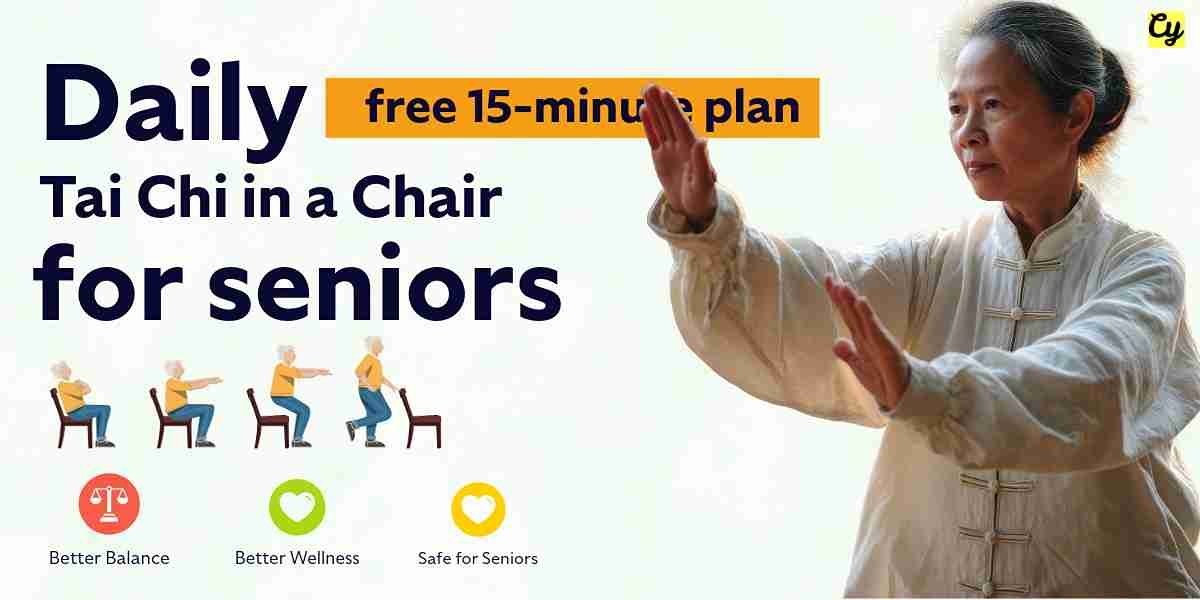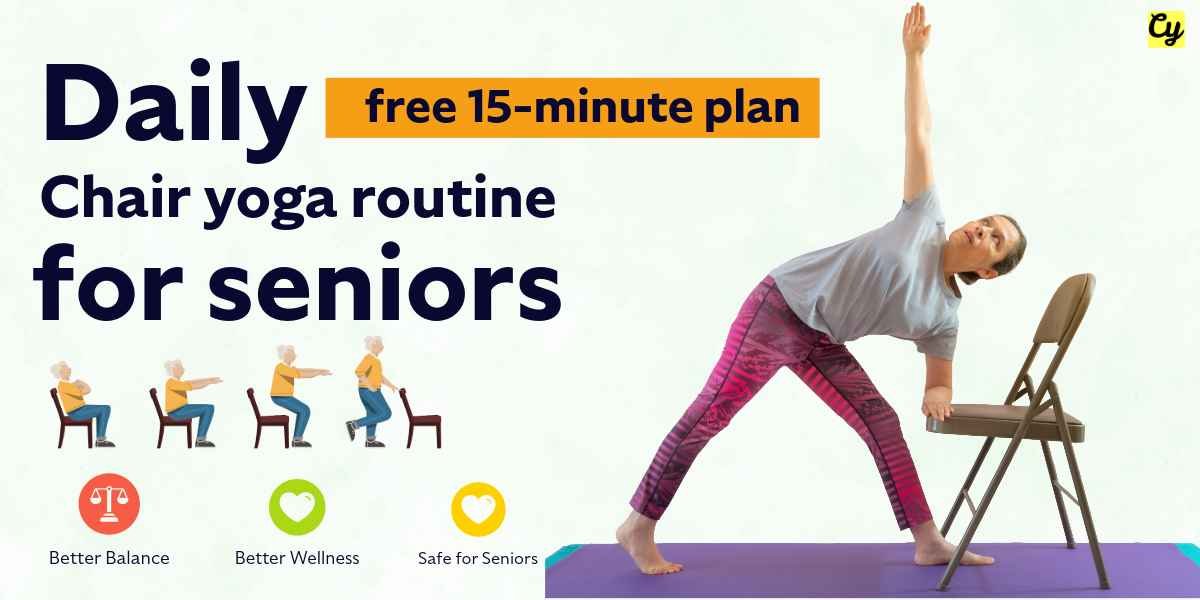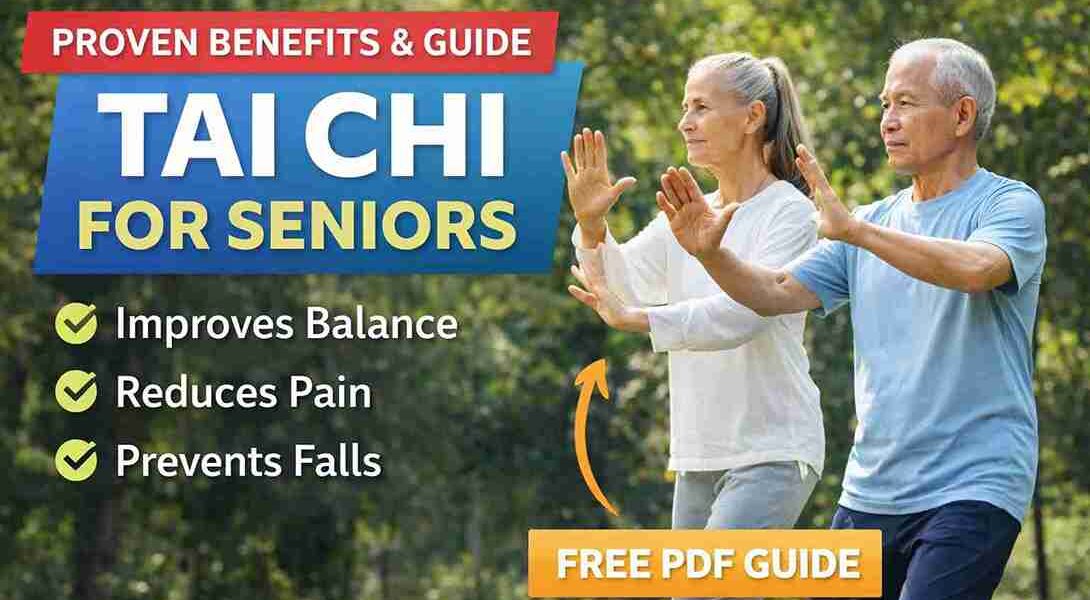
Discover how tai chi for seniors improves balance, reduces pain, and prevents falls. Learn simple steps, science-backed benefits, and get a free printable PDF guide What Is Tai Chi Walking and Does It Work? (Complete Beginner’s Guide for Seniors)
If you’ve ever seen people moving slowly and gracefully in a park, shifting their weight step by step, it might have been Tai Chi walking.
But here’s the real question many seniors ask:
👉 “Is this just slow walking, or does it actually improve health?”
The short answer: Yes, Tai Chi walking works, and it’s backed by science.
But to truly benefit from it, you need to understand how it’s different from normal walking.
Let’s break it down in simple terms.
Table of Contents
What Is tai chi for seniors?
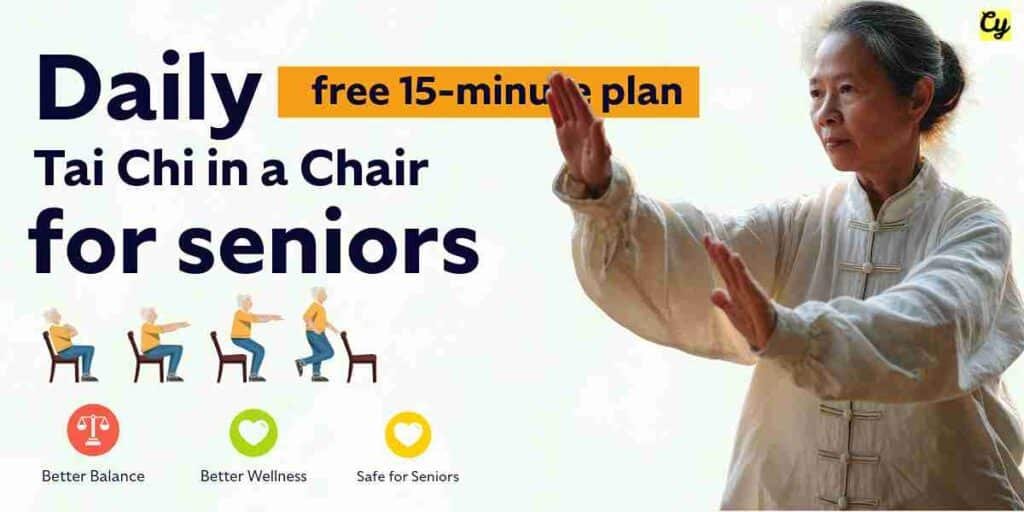
Tai Chi walking is a mindful, slow, and controlled way of walking that comes from the ancient Chinese practice of Tai Chi.
Unlike regular walking, it focuses on:
- Slow, deliberate steps
- Smooth weight shifting
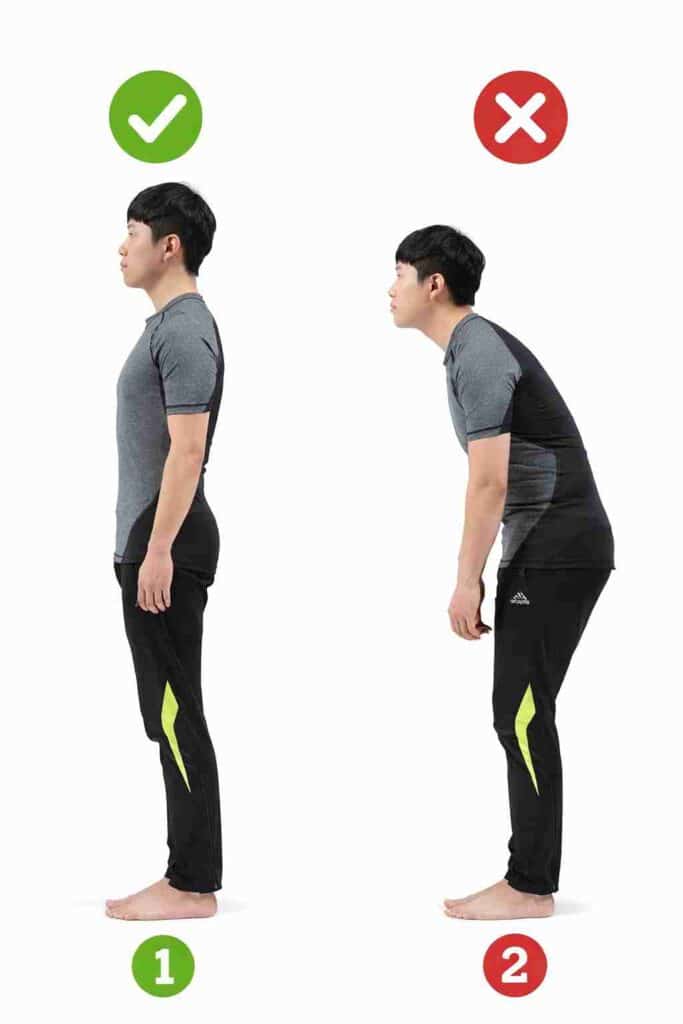
- Upright posture
- Deep breathing
- Full body awareness
Think of it as “walking meditation with balance training.”
How tai chi for seniors Is Different from Normal Walking
| Feature | Normal Walking | Tai Chi Walking |
|---|---|---|
| Speed | Fast or moderate | Slow and controlled |
| Focus | Destination | Movement awareness |
| Balance | Automatic | Trained consciously |
| Breathing | Random | Deep and controlled |
| Muscle Use | Limited | Full-body coordination |
👉 In simple words:
Normal walking = movement
Tai Chi walking = movement + balance + brain training
Does tai chi for seniors Really Work? (Science-Backed Benefits)
Yes—and this is where it gets powerful, especially for people aged 60+.
1. Improves Balance and Prevents Falls
Studies show Tai Chi significantly reduces fall risk in older adults.
- Strengthens stabilizing muscles
- Improves coordination
- Enhances body awareness
👉 This is crucial because falls are one of the biggest risks after 60.
2. Reduces Joint Pain and Stiffness
Tai Chi walking is gentle and low-impact.
It helps people with:
- Arthritis
- Knee pain
- Stiff joints
Unlike intense exercise, it doesn’t strain your joints.
3. Boosts Brain Function and Focus
Because movements are slow and intentional, Tai Chi walking acts like brain exercise.
- Improves memory
- Enhances concentration
- Reduces mental fog
4. Supports Heart and Lung Health
Even though it looks slow, Tai Chi walking improves circulation and breathing.
- Better oxygen flow
- Reduced blood pressure
- Improved endurance
5. Reduces Stress and Anxiety
Tai Chi walking combines movement + breathing.
It naturally activates relaxation responses, similar to meditation.
Follow these simple steps:
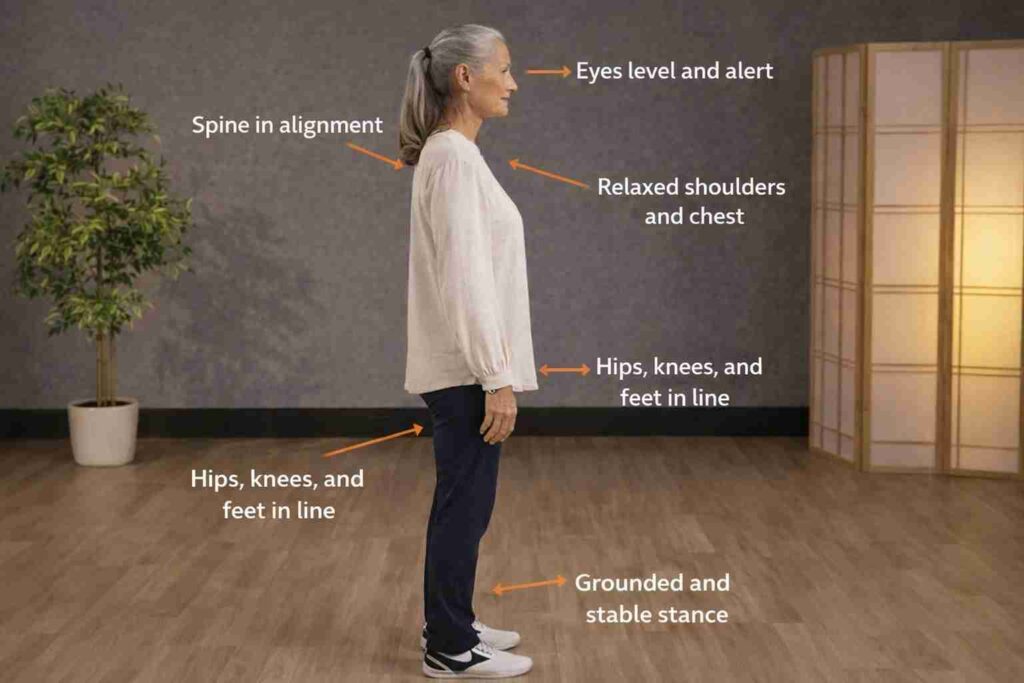
Step 1: Stand Tall
- Keep your spine straight
- Relax shoulders
- Look forward
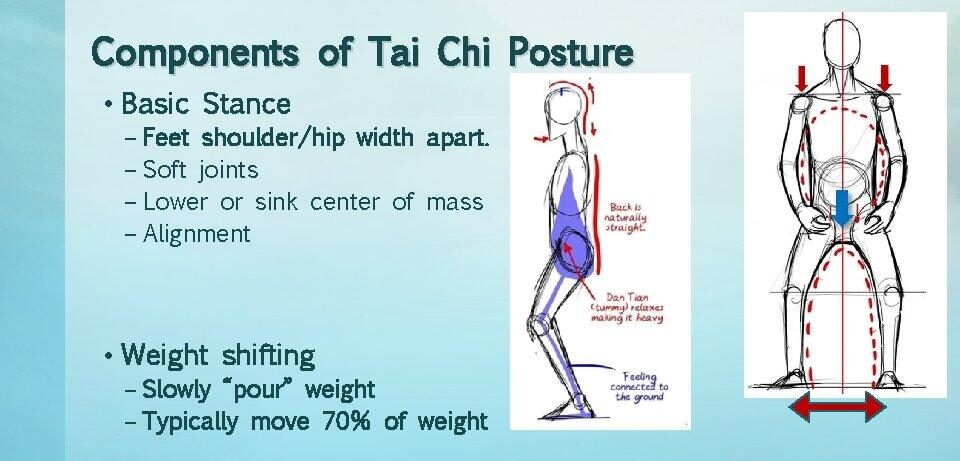
Step 2: Shift Your Weight
- Slowly shift weight onto one leg
- Keep balance steady
Step 3: Move One Foot Forward
- Place your heel first
- Then gently roll your foot down
Step 4: Transfer Weight Slowly
- Shift weight onto the front foot
- Feel the movement
Step 5: Repeat Slowly
- Move step by step
- Breathe naturally
👉 Key Tip:
Move as slowly as possible—that’s where the real benefit comes.
Who Should Try tai chi for seniors?
Tai Chi walking is ideal for the following:
- Seniors (60–80 years old)
- People recovering from injury
- Those with balance issues
- Beginners who can’t do intense workouts
⚠️ However, consult your doctor if you have:
- Severe dizziness
- Advanced joint conditions
Strong Evidence: Tai Chi Prevents Falls & Improves Health
- One of the most cited reviews
- Shows Tai Chi helps with:
- Fall prevention
- Osteoarthritis
- Parkinson’s disease
- COPD rehab
📌 Key insight:
Tai Chi has “strong evidence” for preventing falls in older adults
2. Tai Chi Improves Balance in Older Adults (2024 Study)
- Compared Tai Chi practitioners vs non-practitioners
- Found:
- Better postural control
- Improved stability
📌 Key insight:
Regular Tai Chi helps maintain balance even in restricted environments
3. Meta-Analysis: Improves Balance & Strength
- Analysis of multiple studies
- Results:
- Better balance
- Increased muscle strength
📌 Key insight:
Tai Chi is effective especially with consistent practice
4. Short-Term Practice Still Works (12 Weeks)
- Even ≤12 weeks showed results
- 2–3 sessions/week improved balance
📌 Key insight:
You don’t need years—results can start in weeks
5. Major Meta-Analysis (2025): Balance + Fall Reduction
- Large-scale analysis
- Found:
- Improved balance
- Better walking confidence
- Reduced fall risk
📌 Key insight:
Tai Chi is a powerful preventive strategy for aging populations
Why some seniors feel less stable before they feel more stable
This surprises people.
Someone starts Tai Chi because they want better balance.
Then 2 weeks later they say:
“Why do I suddenly notice myself wobbling more?”
Usually nothing got worse.
The body just started paying attention.
Before Tai Chi, movement was automatic.
Stand.
Walk.
Sit.
No awareness.
Tai Chi slows everything down.
And suddenly people notice things they never noticed before:
- weight leaning left
- gripping toes
- locking knees
- holding shoulders tight
- rushing transitions
That awareness can feel uncomfortable at first.
But it’s usually part of learning.
Tai Chi exposes movement habits
Most adults develop movement shortcuts over decades.
Especially after:
- knee pain
- back pain
- previous falls
- arthritis
- surgery
The body quietly compensates.
Then Tai Chi strips movement down.
People suddenly realize:
- one hip works harder
- one foot pushes more
- turning feels uneven
That’s useful information.
Slow movement removes momentum
Fast walking hides weakness.
Momentum does a lot of the work.
Tai Chi removes that.
Now stabilizing muscles actually have to participate.
That’s why:
- slower feels harder
- balance feels exposed
- legs shake slightly
Especially during weight shifts.
When instability deserves attention
Some wobbling is normal.
These deserve medical review:
- dizziness
- sudden weakness
- fainting
- severe coordination changes
- feeling pulled strongly to one side
Tai Chi should feel challenging.
Not alarming.
The hidden reason Tai Chi walking feels mentally exhausting at first
People expect slow exercise to feel easy.
Then they try Tai Chi.
And suddenly they’re tired after 10 minutes.
Not physically.
Mentally.
That catches people off guard.
Your brain becomes part of exercise
Walking usually runs in the background.
Tai Chi doesn’t.
Now you’re tracking:
- posture
- breathing
- stepping
- weight
- arm position
That takes attention.
Older adults often notice this immediately.
Weight shifting requires concentration
This sounds simple:
Shift left.
Shift right.
Actually doing it slowly?
Different story.
People suddenly realize:
- they rush
- they lean
- they lose foot awareness
That focus burns mental energy.
Beginners accidentally hold their breath
I see this constantly.
People concentrate so hard they stop breathing naturally.
Then:
- neck tightens
- shoulders rise
- fatigue spikes
Breathing changes movement quality immediately.
Cognitive fatigue arrives before muscle fatigue
This surprises beginners.
You finish practice.
Your legs feel okay.
Your brain feels done.
That’s common early.
Movement learning uses attention.
Short sessions usually work better
People assume:
longer equals better
Usually:
10–15 focused minutes works better.
Especially:
- adults over 60
- beginners
- people returning after inactivity
Common Tai Chi mistakes that quietly increase knee discomfort
A lot of people blame Tai Chi.
Usually the knees are reacting to mechanics.
Tiny mistakes matter.
Stepping too wide
Wide stances look impressive.
They also increase knee loading.
Beginners usually do better with:
- shorter stance
- comfortable range
- controlled shifts
Bending too low too early
People think lower means stronger.
Older knees usually disagree.
Stay higher initially.
Depth comes later.
Twisting planted knees
This one irritates joints fast.
Turn:
- hips
- feet
- whole body
Avoid twisting against fixed knees.
Freezing inside positions
Tai Chi should feel alive.
People sometimes freeze trying to look perfect.
Movement flows.
It doesn’t pause forever.
Locking joints between movements
Locked knees increase tension.
Keep joints soft.
That usually feels smoother immediately.
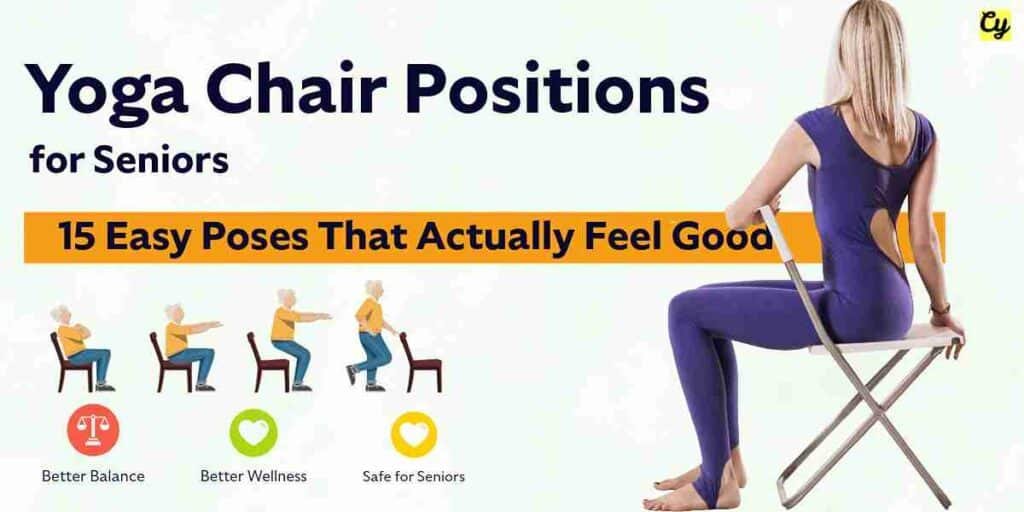
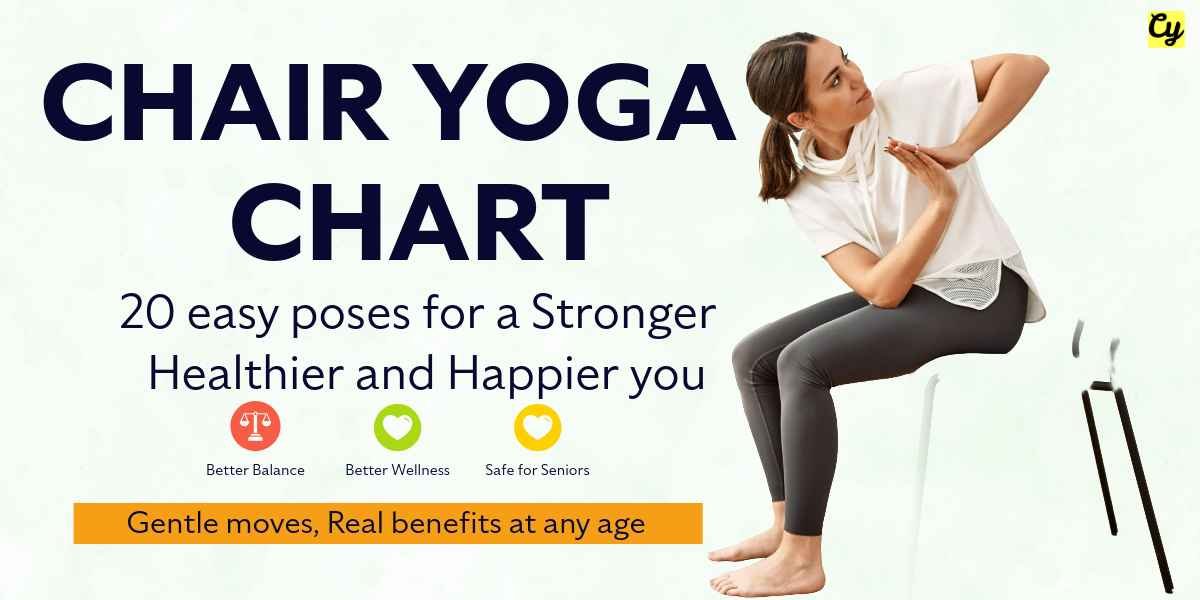
Tai Chi for Seniors vs. Chair Yoga for seniors: Which Is Better?
Both are excellent, but serve slightly different purposes.
| Tai Chi Walking | Chair Yoga |
|---|---|
| Improves balance | Improves flexibility |
| Builds coordination | Safer for very weak seniors |
| Requires standing | Can be done sitting |
👉 Best approach: Combine both for maximum results
How Long Before You See Results?
Most people notice improvements in:
- 2–3 weeks: Better balance awareness
- 4–6 weeks: Reduced stiffness and pain
- 8+ weeks: Stronger stability and confidence
Consistency matters more than intensity.
Free Printable tai chi for seniors Routine (PDF)
To make it easier for you, I’ve created a simple daily Tai Chi walking routine you can follow at home.
👉 Includes:
- Step-by-step visuals
- 10-minute daily routine
- Safety tips
Want Faster Results? (Special Guide for Seniors)
If you want a complete system to reduce stiffness, improve balance, and move pain-free, check out:
👉 Gentle Yoga & Mobility Guide for Stiff Joints, Balance & Daily Comfort ($19.9)
This guide combines:
- Chair yoga
- Mobility drills
- Balance exercises
- Daily routines
Perfect for seniors who want real, long-term results—not just temporary relief.
FAQs for tai chi for seniors
1. What is Tai Chi walking in simple terms?
Tai Chi walking is a slow, controlled way of walking that focuses on balance, posture, and breathing.
2. Does Tai Chi walking really help balance?
Yes, studies show it improves stability and reduces fall risk, especially in older adults.
3. Can beginners do Tai Chi walking at home?
Yes, it’s beginner-friendly and can be done at home without equipment.
4. How long should I practice Tai Chi walking daily?
Start with 10–15 minutes daily and gradually increase to 20–30 minutes.
5. Is Tai Chi walking better than normal walking?
For balance, coordination, and mental focus—yes. But both can be combined.
Final Thoughts
Tai Chi walking is not just exercise, it’s a complete mind-body practice.
For seniors, it offers something rare:
✔ Safe movement
✔ Better balance
✔ Less pain
✔ Improved confidence
And the best part?
👉 You can start today, at your own pace.