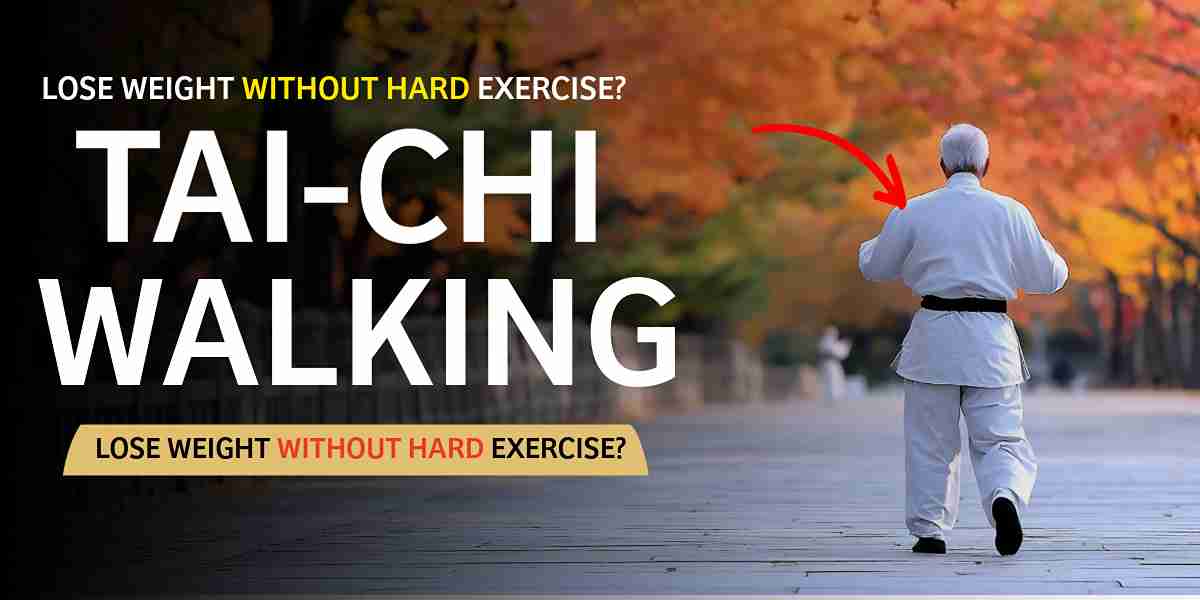
If you’ve ever watched someone do tai chi walking, you probably thought they were moving in slow motion.
Tiny steps. Soft arm swings. Calm breathing. No sweating buckets. No loud music. No treadmill screaming at you from the corner.
And yet, people in their 60s, 70s, even 80s keep doing it every morning because it works.
Indoor tai chi walking is basically mindful walking mixed with gentle tai chi movements. You walk slowly, shift your body weight carefully, breathe deeply, and stay fully aware of each step.
That’s it.
No gym membership. No fancy machine. You can literally do it in your living room between the sofa and the dining table.
Table of Contents
What is indoor tai chi walking?
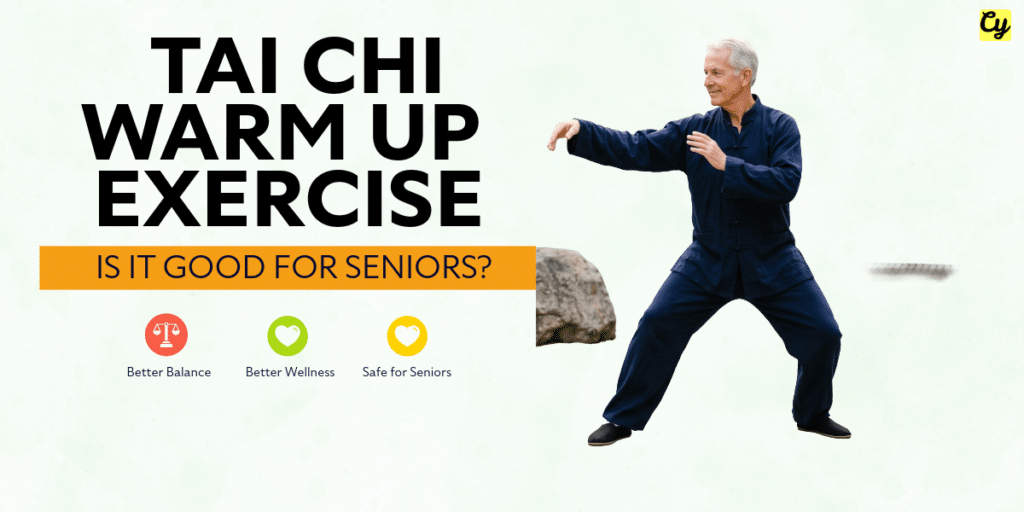
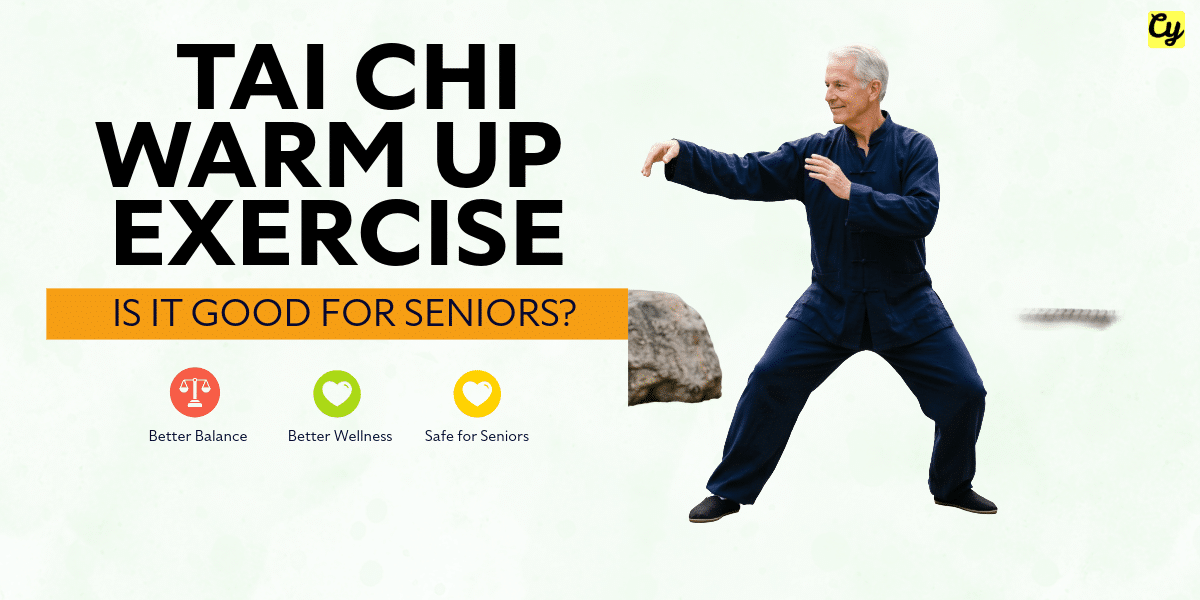
Tai chi walking comes from traditional Tai Chi movement patterns.
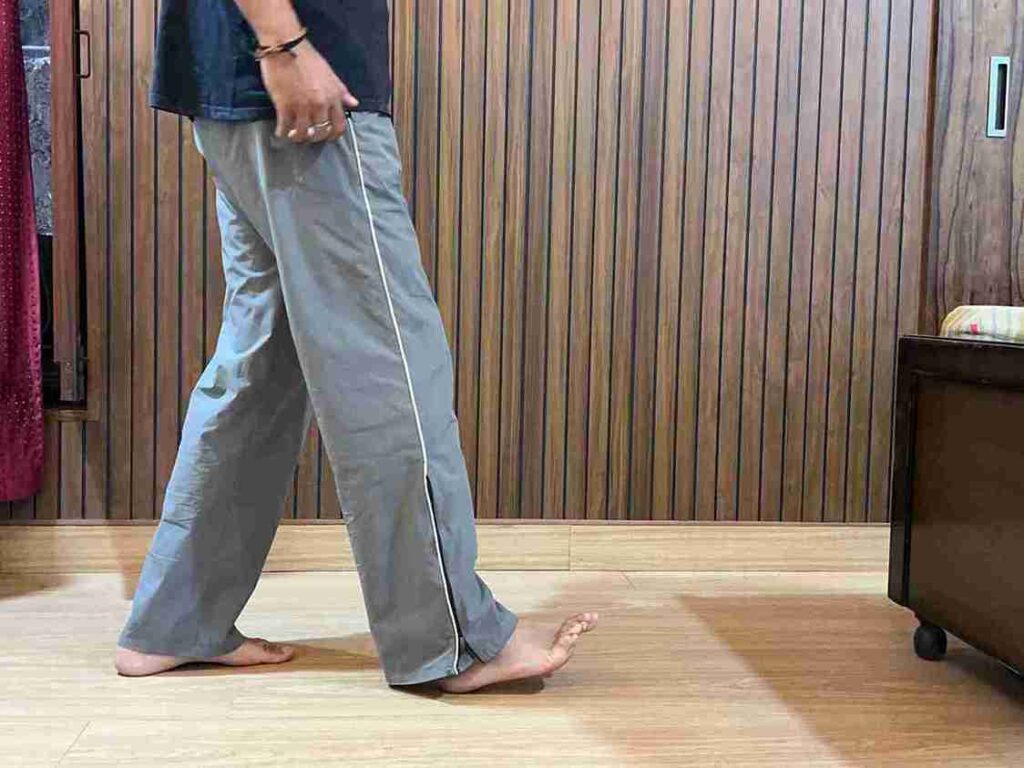
Instead of normal walking where your body rushes forward automatically, tai chi walking slows everything down. You place your heel first, roll through the foot, shift your balance, and move with control.
Most indoor tai chi walking workouts also include:
- Gentle arm circles
- Side-stepping
- Slow knee lifts
- Controlled breathing
- Balance movements
- Rhythm-based walking
A lot of YouTube instructors call it “walking meditation.” Honestly, that description fits pretty well.
You’re moving, but your brain feels quieter afterward.
Why seniors love tai chi walking
Regular walking is good. But it can feel repetitive after a while.
Indoor tai chi walking feels softer on the joints, especially for older adults dealing with:
- Knee stiffness
- Balance issues
- Low stamina
- Mild arthritis
- Fear of falling
- Recovery after inactivity
The slow pace gives your body time to react properly.
And because movements stay controlled, many seniors stick with it longer than intense home workouts that leave them exhausted after 5 minutes.
That consistency matters way more than doing one brutal workout and quitting for 3 weeks.
What is indoor tai chi walking for seniors
A lot of seniors start tai chi walking because outdoor walking becomes difficult during:
- Winter
- Heavy rain
- Extreme heat
- Pollution days
- Recovery after illness
Indoor routines solve that problem fast.
You clear a little floor space, turn on a video, and walk slowly for 10 to 30 minutes.
That’s enough movement to wake up stiff hips and sleepy legs.
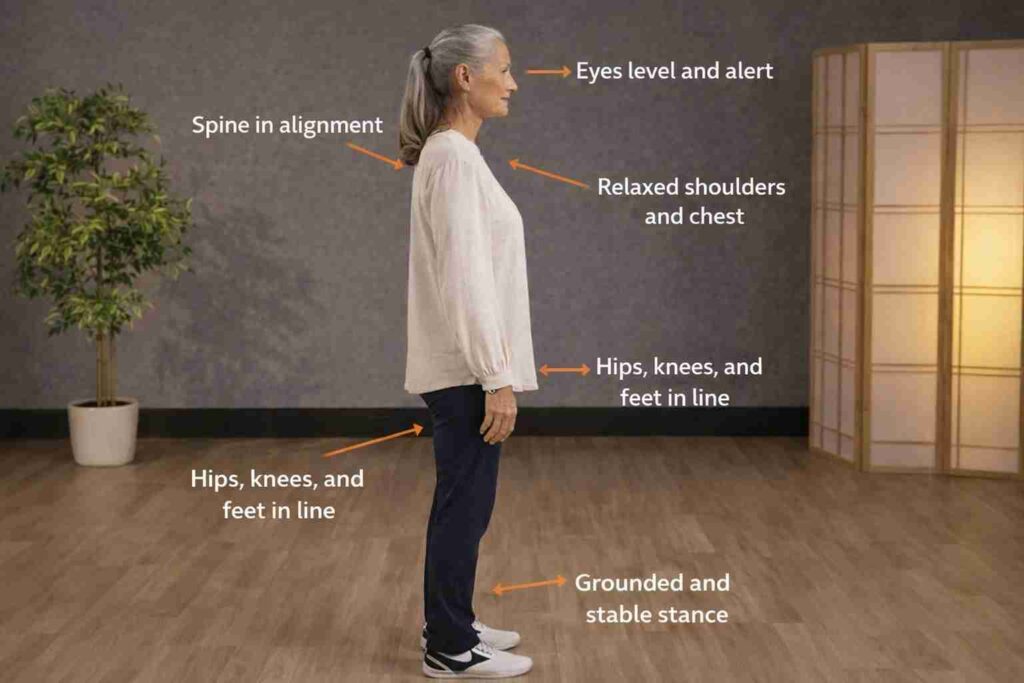
Some people also notice better posture after a few weeks because tai chi walking constantly reminds you to stand tall and move carefully.
What is indoor tai chi walking for beginners?
Beginners usually expect complicated martial arts moves.
It’s much simpler than that.
A basic beginner routine often looks like this:
- March slowly in place
- Step side to side
- Shift body weight carefully
- Move arms naturally
- Match breathing with movement
That’s why beginners don’t feel overwhelmed.
You don’t need flexibility. You don’t need athletic ability. You honestly just need enough space to take 2 or 3 slow steps safely.
Most beginner sessions stay between 10 and 20 minutes.
And yes, the slow speed is intentional. Faster isn’t better here.
What is indoor tai chi walking exercises?
Here are a few common indoor tai chi walking exercises you’ll see in routines:
Heel-to-toe walking
You slowly place one foot ahead of the other while maintaining balance.
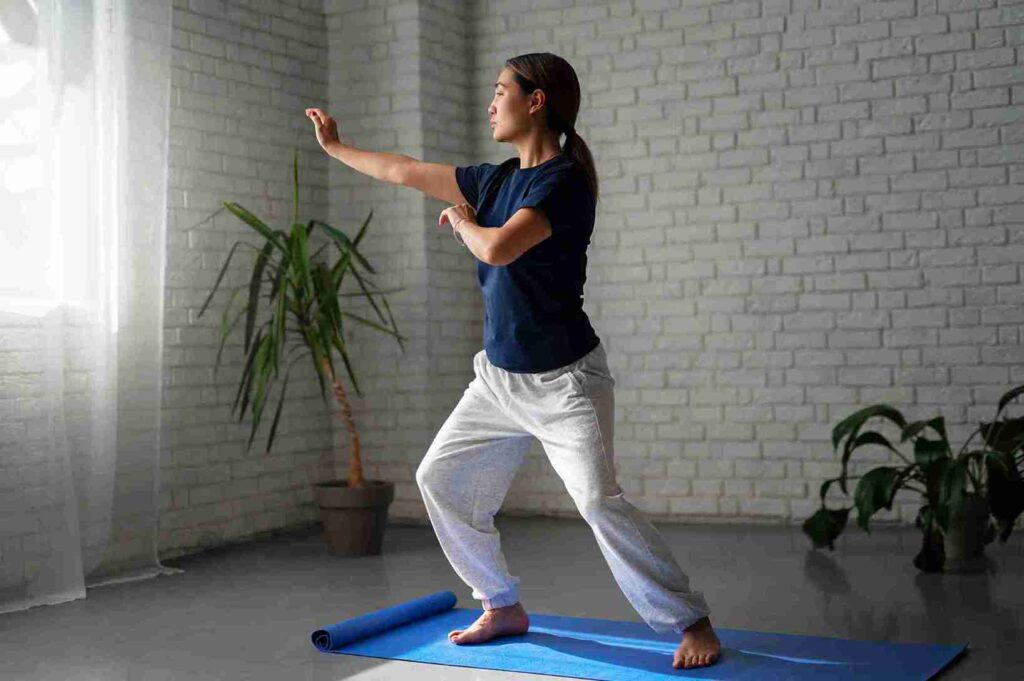
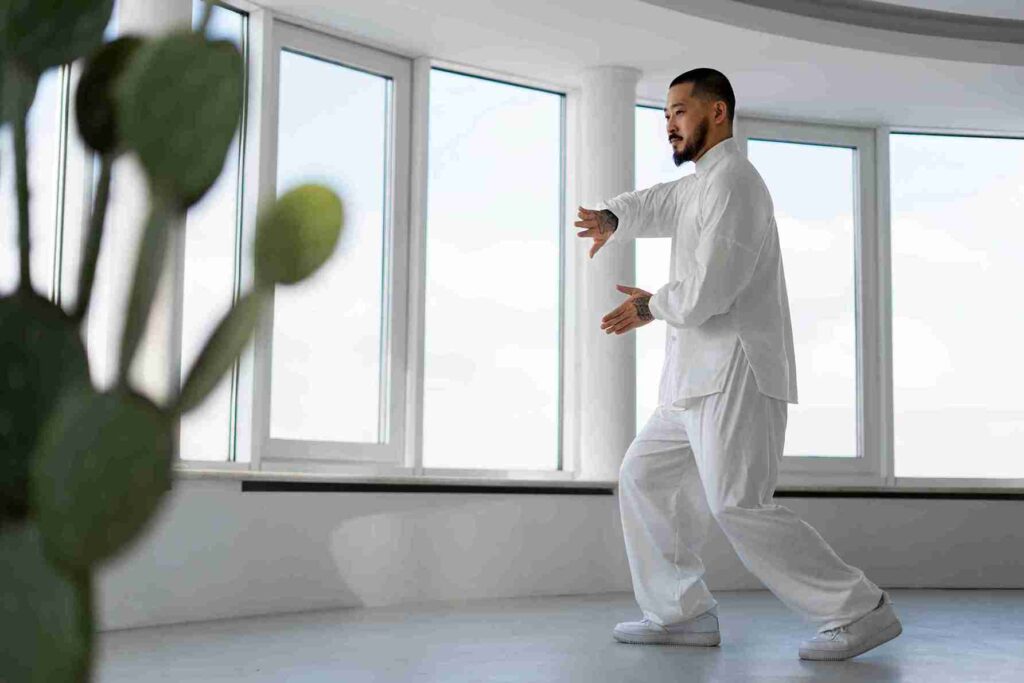
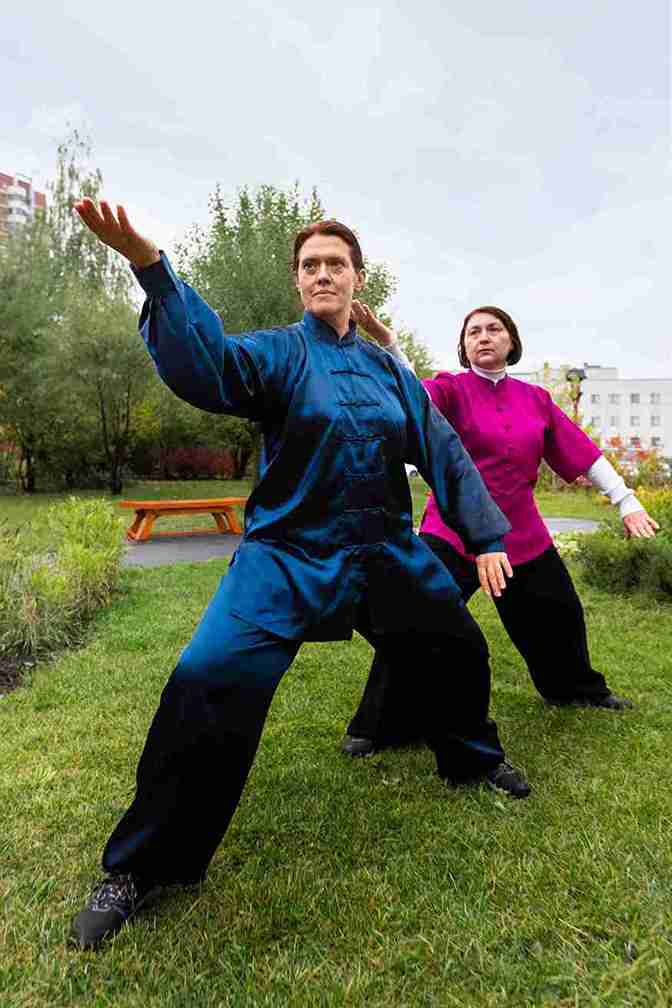
Cloud hands walking
A classic tai chi movement where the arms float gently side to side while stepping slowly.
Side-step glides
Soft lateral stepping helps hip mobility and balance control.
Knee lift walking
Controlled knee raises improve leg strength and coordination.
Breathwalking
You inhale for several steps and then exhale slowly while continuing movement.
Simple movements. But after 15 minutes, your legs definitely feel awake.
What is indoor tai chi walking benefits?
The benefits usually build gradually.
People often notice:
- Better balance
- Improved coordination
- Less stiffness
- More daily movement
- Calmer mood
- Better confidence while walking
- Mild weight loss support
- Improved circulation
And maybe the biggest one: consistency.
Indoor tai chi walking doesn’t feel punishing. So people actually continue doing it.
That matters a lot more than “perfect” workouts.
Can you lose weight doing tai chi walking?
Yes, probably. But slowly.
Tai chi walking burns fewer calories than jogging or intense cardio. Still, it keeps your body moving consistently, which matters for long-term weight control.
For older adults or beginners, this style of movement feels sustainable.
You’re more likely to do:
- 20 minutes daily of tai chi walking
than:
- 1 brutal HIIT workout followed by 6 days of avoiding exercise entirely
Weight loss usually happens when tai chi walking becomes part of a bigger routine:
- Better eating habits
- Daily movement
- Improved sleep
- Lower stress
- Less sitting
That combination works surprisingly well over time.
What is indoor tai chi walking for weight loss?
Weight-loss focused tai chi walking routines usually include:
- Faster stepping patterns
- Longer sessions
- Continuous movement
- Arm movements for extra calorie burn
- Low-impact cardio intervals
Some YouTube workouts combine tai chi walking with indoor walking music and light aerobics.
Those sessions feel closer to dance walking than traditional tai chi.
Still gentle though. Your knees won’t hate you afterward.
Does indoor tai chi walking really work?
Depends what you mean by “work.”
If you expect dramatic 20-pound transformations in 2 weeks, probably not.
If you want:
- safer movement,
- better balance,
- more daily activity,
- calmer energy,
- and a workout you’ll actually continue,
then yes, it works very well.
Especially for seniors and beginners.
A lot of people quit exercise because the workouts feel miserable. Tai chi walking feels manageable, which is why people stay with it.
1. Why indoor tai chi walking fails for some seniors after week 2
This section matters because the first 7 days are usually easy.
Everything feels new. The movements feel calming. People enjoy trying something gentle.
Then week 2 hits.
That’s when many seniors quietly stop.
Not because tai chi walking “doesn’t work.” Usually because the brain expects exercise to feel intense, sweaty, or exhausting. Tai chi walking feels almost too calm, so people assume nothing is happening physically.
An experienced instructor notices this pattern constantly.
What actually happens during this phase
The body improves before the person notices it
Balance changes are subtle.
A senior might:
- stand up from a chair more smoothly,
- wobble less while turning,
- feel steadier in the bathroom at night,
but never connect those improvements to tai chi walking.
They expected weight loss or visible muscle definition. Instead, the first benefits happen in movement quality.
Most articles never explain that timeline.
Slow movement feels mentally uncomfortable
This surprises beginners.
People who spent 40 years rushing through life suddenly have to move slowly and pay attention to breathing.
That feels weird at first.
Some even feel irritated during sessions because the pace exposes how restless their mind actually is.
That’s normal. Real instructors see this all the time.
The “I’m not sweating” misconception
A huge percentage of older adults judge exercise by fatigue.
If they don’t feel exhausted afterward, they assume the workout failed.
But tai chi walking trains:
- balance control,
- coordination,
- posture,
- nervous system timing,
which don’t always create heavy sweating.
This is especially true for seniors recovering from inactivity.
Boredom becomes the real enemy
Most dropouts happen because routines feel repetitive.
Not dangerous. Not ineffective. Just repetitive.
That’s why experienced instructors rotate:
- arm movements,
- walking directions,
- breathing rhythms,
- session lengths.
The psychological side matters more than most fitness blogs admit.
What readers realize afterward
They stop expecting dramatic visible changes after 10 days.
And they understand why consistency feels harder psychologically than physically.
That’s a very “real-world” insight competitors usually miss.
2. What is indoor tai chi walking mistakes that quietly stress the knees
This section adds credibility because it explains something important:
Gentle exercise can still irritate joints when movement mechanics are bad.
Most articles avoid this because “joint friendly” sounds cleaner and more marketable.
Reality is messier.
The common mistakes
Taking giant steps
Beginners often overreach because they think bigger movement equals better exercise.
It doesn’t.
Large slow steps increase knee shear force, especially in older adults with weak hips.
Experienced instructors usually shorten the stride immediately.
Collapsing inward at the knees
This happens a lot in seniors with weak glutes.
During weight shifting, the knees drift inward slightly.
Over time that can irritate:
- inner knee tissues,
- hips,
- lower back.
Most YouTube videos never mention this because instructors focus on choreography instead of mechanics.
Practicing on slippery flooring
Tile floors are a hidden problem.
Fear of slipping changes walking mechanics instantly.
People tense their hips and shorten natural movement patterns without realizing it.
That tension defeats half the relaxation benefit.
Locking the knees
Some beginners stand too stiff between steps.
Instead of soft controlled movement, they “freeze” the knees.
That creates unnecessary joint pressure.
Tai chi walking works best with relaxed micro-bending.
Weak ankles changing movement patterns
This one gets ignored constantly.
Limited ankle mobility forces compensation upward into:
- knees,
- hips,
- lower back.
Sometimes knee pain during tai chi walking actually starts at the ankles.
That’s the kind of insight experienced rehab professionals notice quickly.
What readers realize afterward
The workout itself usually isn’t harmful.
Tiny movement errors are the issue.
That distinction builds huge trust because it sounds practical instead of promotional.
3. Myth vs reality: what indoor tai chi walking can and cannot do
This section protects the article from sounding overhyped.
And honestly, wellness content desperately needs more realism.
The myths worth breaking
Myth: Tai chi walking burns huge calories
Reality: calorie burn is moderate.
A slow 20-minute session won’t match fast cardio.
But consistency rates are dramatically higher because the workout feels sustainable.
That tradeoff matters.
Myth: Slow movement means weak exercise
Reality: slow movement increases balance demand.
Fast walking hides instability.
Slow walking exposes it immediately.
That’s why tai chi walking feels surprisingly difficult for some beginners despite the gentle appearance.
Myth: Seniors need “hardcore” workouts
Reality: recovery ability changes with age.
Many older adults benefit more from:
- sustainable movement,
- lower joint stress,
- better recovery consistency,
than extreme exercise intensity.
Myth: Tai chi walking fixes all pain
Reality: some problems still require:
- physical therapy,
- strength training,
- medical evaluation,
- mobility correction.
Tai chi walking helps many people. It isn’t magic.
Myth: More practice always equals better results
Reality: fatigue can reduce movement quality.
Once balance deteriorates, continuing longer sessions sometimes creates sloppy mechanics.
Experienced instructors often prefer shorter high-quality sessions.
What readers realize afterward
They start viewing exercise through movement quality and consistency instead of punishment.
That’s a major mindset shift.
4. The hidden balance system tai chi walking trains better than normal walking
This is probably the most “expert-level” section.
Because balance is far more complicated than most people realize.
What normal walking misses
Regular walking is automatic.
Your brain barely pays attention.
Tai chi walking slows movement enough that the brain has to actively coordinate:
- foot placement,
- posture,
- weight transfer,
- reaction timing,
- body awareness.
That’s a completely different neurological demand.
Why slow movement exposes weakness
Fast movement hides instability through momentum.
Slow movement removes that shortcut.
Suddenly people notice:
- wobbling,
- uneven weight shifting,
- poor foot control,
- delayed reactions.
That’s valuable feedback.
The foot awareness factor
Many seniors lose foot sensitivity gradually with age.
Tai chi walking restores awareness by forcing careful stepping.
Experienced fall-prevention specialists care about this a lot.
Because better foot awareness often improves confidence during everyday movement.
Visual dependence and aging
Older adults often rely heavily on eyesight for balance.
That’s why walking in dim lighting feels harder.
Tai chi walking gradually improves the body’s internal balance awareness instead of relying only on vision.
Most articles never discuss this.
Reaction confidence matters more than strength
Many falls happen because people panic during unstable moments.
Tai chi walking improves controlled recovery during shifting movement.
That confidence matters enormously.
What readers realize afterward
Balance isn’t just “strong legs.”
It’s nervous system coordination.
That deeper explanation makes the article feel genuinely authoritative.
5. Advanced progression strategies for people who plateau with tai chi walking
This section separates beginner content from true long-term guidance.
Most articles act like tai chi walking never evolves.
Real practitioners know progression matters.
What plateau actually looks like
After 2 or 3 months:
- movements feel easier,
- heart rate response drops,
- balance improves,
- coordination becomes automatic.
That’s adaptation.
The body needs new stimulus.
Advanced progression methods
Directional changes
Backward stepping and diagonal movement increase coordination demand dramatically.
Especially for balance control.
Reduced visual reliance
Advanced practitioners sometimes practice with softer lighting or reduced visual focus.
That strengthens internal balance awareness.
Obviously this should be done carefully near support surfaces.
Breath pacing
Synchronizing breathing with movement patterns increases concentration demand.
This turns tai chi walking into a stronger nervous system exercise.
Interval-style tai chi walking
Some advanced routines alternate:
- calm slow movement,
- slightly faster controlled stepping,
- recovery pacing.
This improves cardiovascular challenge without harsh joint impact.
Combining tai chi walking with strength work
This is where results accelerate.
Tai chi walking improves:
- coordination,
- movement quality,
- balance.
Strength training improves:
- muscle capacity,
- bone support,
- force production.
Together they work much better long term.
What readers realize afterward
Tai chi walking isn’t just beginner rehab movement.
It actually has progression layers experienced practitioners continue exploring for years.
Does the 28 day indoor walking challenge really work?
The popular 28-day indoor walking challenges online can help people build consistency.
That’s the real value.
Doing gentle movement daily for 28 days:
- improves stamina,
- wakes up stiff muscles,
- creates routine,
- and gets inactive people moving again.
Some people lose weight during these challenges. Others mainly notice better energy and mobility.
Both outcomes are useful.
The biggest mistake is treating it like a temporary fix instead of a long-term habit.
Free What is indoor tai chi walking
You don’t need paid programs to start.
Many free YouTube channels already have:
- beginner tai chi walking,
- indoor walking workouts,
- seated modifications,
- balance-focused sessions,
- and low-impact senior routines.
Look for instructors who move slowly and explain clearly.
If the instructor feels like they drank 4 energy drinks before filming, skip that one.
Tai chi walking videos YouTube users actually enjoy
Popular tai chi walking videos usually combine:
- calm pacing,
- simple instructions,
- music that isn’t annoying,
- and movements seniors can realistically follow.
Search terms that work well:
- “tai chi walking for seniors”
- “indoor tai chi walking beginner”
- “free tai chi walking for weight loss”
- “15 minute tai chi walk”
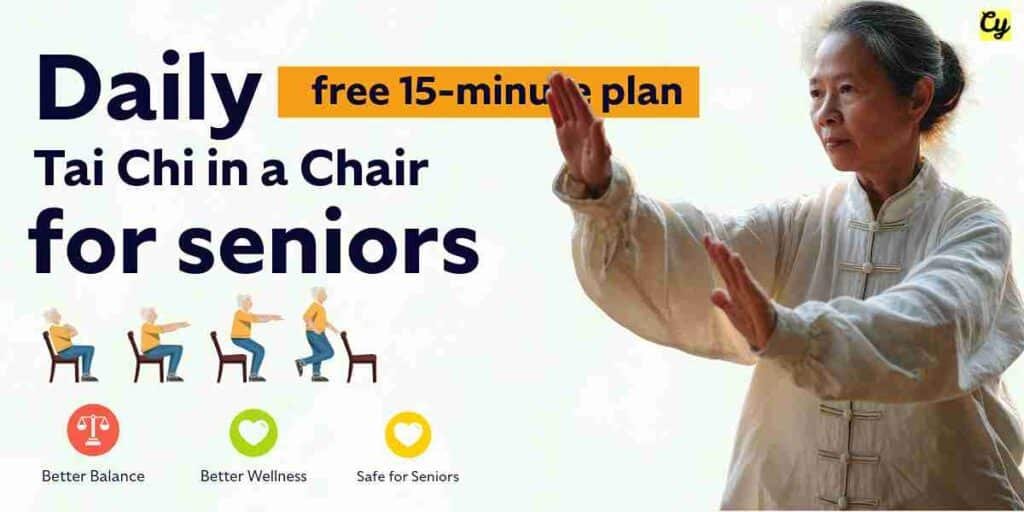
- “chair supported tai chi walking”
You’ll probably find a style you like within 10 minutes.
Free tai chi walking for weight loss
Free routines for weight loss usually work best when done:
- 4 to 6 times weekly,
- for 20 to 40 minutes,
- combined with regular walking or healthy eating.
The biggest advantage is low impact.
Your joints recover faster, which means you can stay active consistently instead of constantly resting from soreness.
That’s a pretty good trade.
Final thoughts for What is indoor tai chi walking
Indoor tai chi walking looks almost too gentle to matter.
Then you try it for 2 weeks and realize:
- your legs feel steadier,
- your body feels looser,
- and moving around the house feels easier.
That’s why so many older adults stick with it.
Simple movement done consistently beats complicated workouts people quit after 3 days