
Tai chi walking looks slow because it’s supposed to.
The first time you try it, your legs might shake a little. Your brain keeps saying “just walk normally,” while tai chi says “slow down more.” That awkward phase is part of the process.
And honestly, that’s why older adults love it once they stick with it for a week or 2.
You’re training balance, posture, breathing, and focus at the same time. No jumping. No floor work. No expensive gear sitting in a closet by next month.
This guide breaks down tai chi walking for beginners step by step in plain English. No martial arts background needed.
At a Glance
Adults 60+
5–10 minutes
Beginner
None
Balance & Mobility
Free PDF Included
Table of Contents
What is tai chi walking?
Tai chi walking is a slow, controlled style of walking based on traditional Tai Chi movements.
Instead of rushing forward heel-to-toe like regular walking, you shift your weight carefully before every step. The goal is smooth movement and balance.
Think of it like “mindful walking with structure.”
A beginner session usually includes:
- Slow forward steps
- Weight shifting
- Gentle arm movements
- Deep breathing
- Upright posture
- Controlled pace
Many seniors use tai chi walking to help with:
- Balance problems
- Stiff joints
- Fear of falling
- Mild knee discomfort
- Stress
- Low energy
- Recovery after inactivity
And yes, it can raise your heart rate more than people expect. Slow doesn’t always mean easy.
Tai chi improves balance in older adults
A 2024 systematic review found that tai chi improved balance performance in healthy older adults, especially when practiced more than 2 times weekly for 45+ minutes.
Study link:
Frontiers in Public Health Study
Benefits of tai chi walking for seniors
Here’s what people usually notice first:
1. Better balance
Tai chi walking forces you to control weight transfer from one leg to the other. That improves stability over time.
This matters a lot after age 60, when balance naturally starts slipping.
2. Less stiffness
The slow pace gives hips, knees, and ankles time to move without impact.
Many beginners say mornings feel easier after a week or 2.
3. Calmer breathing
Tai chi walking naturally slows breathing.
Some people pair it with outdoor walks at sunrise (which sounds dramatic, but honestly feels pretty great).
4. More confidence walking
Small controlled steps can help people who feel nervous about falling.
Especially after an injury or long period of inactivity.
5. Mild calorie burn
You won’t torch 900 calories in 1 session.
But regular tai chi walking can support weight loss when combined with daily movement and better eating habits.
Tai chi may help reduce fall risk
Researchers found that tai chi helped older adults improve stability and lower fall risk over time. Yang-style tai chi showed especially strong results.
Study link:
Tai Chi for Fall Prevention Study
Tai chi walking for beginners step by step
Start with 5 to 10 minutes.
That’s enough.
Most beginners try too much too soon and end up waddling like a shopping cart with one bad wheel.
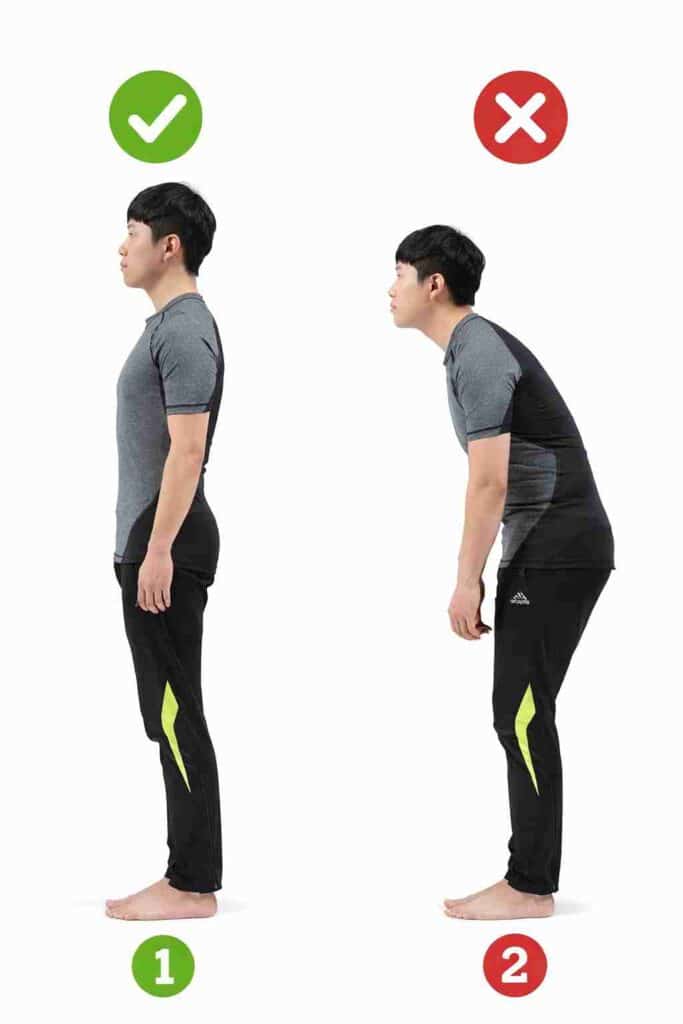
Step 1: Stand tall
- Feet shoulder-width apart.
- Relax your shoulders.
- Keep knees slightly bent.
- Imagine a string gently pulling the top of your head upward.
- Don’t puff out your chest like a superhero movie poster.
- Just stay upright and relaxed.
Step 2: Shift your weight
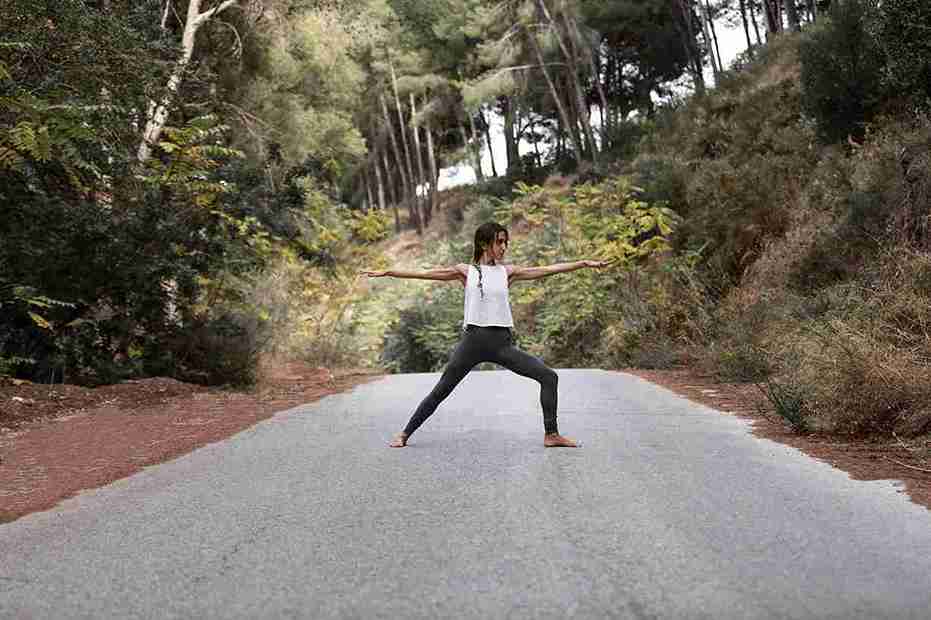
- Move about 70% of your weight onto your right foot.
- Your left foot becomes light.
- Pause for a second.
- Then switch sides slowly.
- This is the foundation of tai chi walking.
- Most of the work happens in the weight transfer.
Step 3: Take a slow forward step
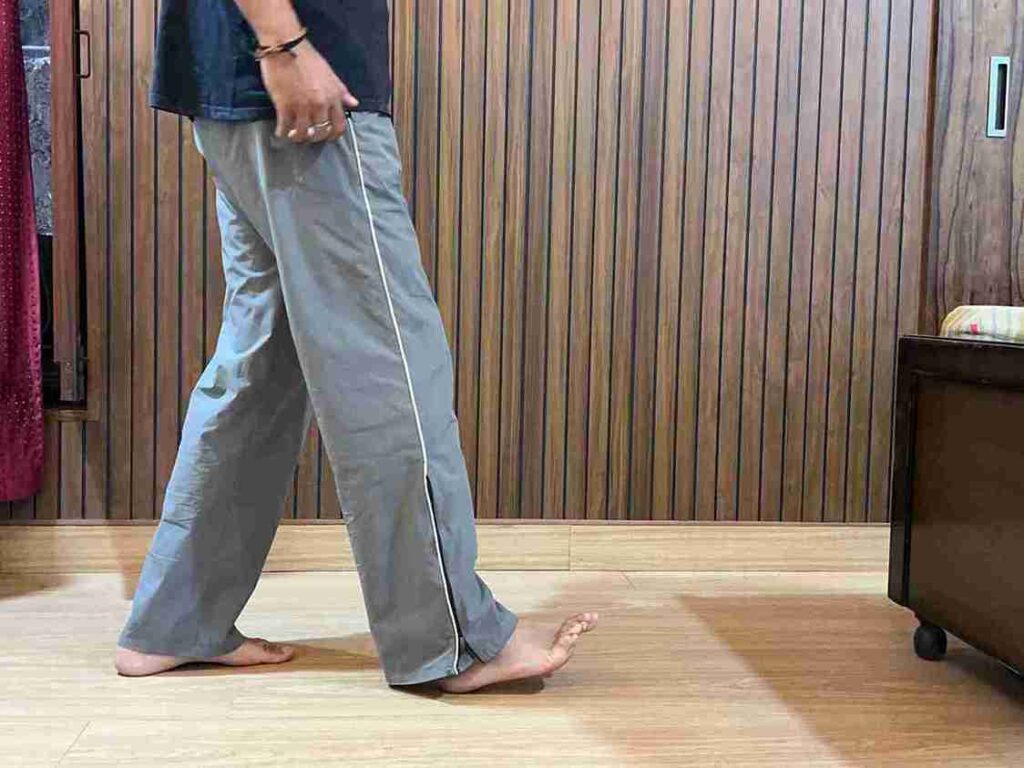
- Lift your light foot slowly.
- Place the heel down first.
- Then roll the foot gently onto the floor.
- Tiny step. Seriously tiny.
- Beginners usually step too far.
Step 4: Transfer weight carefully
- Once the foot is planted, shift your weight forward gradually.
- No sudden leaning.
- Your body should feel smooth and controlled.
- Like pouring water from one glass into another without spilling.
Step 5: Bring the back foot forward
- Now repeat the process.
- Lift the back foot gently.
- Step forward slowly.
- Shift weight again.
- That’s one tai chi walking cycle.
Step 6: Add arm movement
- Let arms move naturally.
- Don’t force dramatic martial arts poses from action movies.
- Simple flowing movement works best for beginners.
Step 7: Match breathing with movement
- Breathe in while preparing the step.
- Breathe out during the weight shift.
- Slow breathing helps your rhythm settle down.
- After 5 minutes, most people naturally relax into the movement.
Simple tai chi moves step by step for beginners
These beginner-friendly moves pair well with tai chi walking.
Wave hands
- Move arms side to side slowly while stepping.
- Good for coordination.
Brush knee
- One hand moves past the knee while the other pushes forward gently.
- Classic beginner tai chi move.
Golden rooster stance
- Stand briefly on one leg while lifting the opposite knee slightly.
- Hold onto a chair if needed.
- Balance comes first.
- Ego comes later.
Cloud hands
- Slow side-to-side arm circles while stepping gently sideways.
- This one feels surprisingly calming.
rSeveral studies suggest tai chi may help older adults improve balance, mobility, flexibility, and fall prevention. A 2024 review published in Frontiers in Public Health found that tai chi significantly improved balance performance in healthy seniors, especially when practiced multiple times weekly. Other research also found tai chi may support weight management, muscle strength, and walking stability.”
Tai chi walking printable free routine
Here’s a simple 10-minute beginner routine you can print.
| Time | Movement |
|---|---|
| 2 min | Standing posture + breathing |
| 2 min | Weight shifting |
| 3 min | Slow tai chi walking |
| 2 min | Cloud hands |
| 1 min | Deep breathing cooldown |
A lot of seniors tape routines like this near the TV or refrigerator so they actually remember to do them.
And it works.
Tai chi walking for beginners step by step PDF
Your printable PDF should include:
- Foot placement diagrams
- Weight shift reminders
- Breathing cues
- Balance safety tips
- Daily tracking checklist
Pictures help a lot here because tai chi is easier to copy visually than explain with words alone.
If you create a downloadable version for your website, include large text and clear step photos. Most readers in the 60 to 80 age range appreciate simplicity over fancy design.
Tai chi walking for beginners step by step PDF with pictures
Pictures matter because beginners usually struggle with 3 things:
- Step size
- Weight transfer
- Posture
A good visual guide should show:
- Heel placement
- Knee bend
- Upright spine
- Arm position
- Slow pacing
Stick figures honestly work fine.
You don’t need a Hollywood fitness shoot.
Free tai chi walking for seniors
You can practice tai chi walking almost anywhere:
- Living room
- Backyard
- Park path
- Community center
- Senior fitness class
- Hallway during winter
The safest setup for beginners:
- Flat surface
- Support nearby
- Comfortable shoes
- Good lighting
- Short sessions
If balance feels shaky, keep a chair or wall close.
That’s smart, not embarrassing.
Free tai chi walking for weight loss
Can tai chi walking help with weight loss?
Yes, especially for beginners who’ve been inactive.
But consistency matters more than intensity.
A realistic approach looks like:
- 15 to 30 minutes daily
- Regular walking
- Better sleep
- Moderate calorie control
- Strength exercises 2 times weekly
Slow movement still burns calories because muscles stay engaged longer.
And many people stick with tai chi longer than intense workouts because it doesn’t leave them exhausted.
That matters more than flashy fitness promises.
Tai chi and walking may support weight loss
A clinical study found that both tai chi and walking exercises helped reduce body weight, fat mass, and waist circumference in adults with central obesity.
Study link:
Tai Chi and Weight Loss Study
Free tai chi walking videos
Many beginners learn faster by watching movement.
Look for videos that include:
- Slow demonstrations
- Side-angle views
- Senior-friendly pacing
- Balance modifications
- Chair support options
Avoid instructors moving at lightning speed while calling it “beginner friendly.”
That happens way too often online.
Common beginner mistakes
Taking steps too big
- Short steps improve balance.
- Tiny is good here.
Locking the knees
- Keep knees soft.
- Rigid legs make balance harder.
Looking down constantly
- Look forward gently.
- Your neck will thank you.
Moving too fast
- Tai chi walking works because it’s slow.
- Rushing removes the whole point.
People also ask
1. What are the steps for tai chi walking?
The basic steps are:
- Stand upright
- Shift weight slowly
- Lift one foot gently
- Place heel first
- Transfer weight carefully
- Bring the other foot forward
- Match breathing with movement
Beginners should practice slowly for 5 to 10 minutes daily.
2. Can tai chi walking make you lose weight?
Yes, tai chi walking can support weight loss.
It burns calories, improves mobility, and helps inactive adults move more consistently. Results usually happen gradually with regular practice and healthy eating.
3. How can I lose 10 pounds in 3 weeks by walking?
Losing 10 pounds in 3 weeks is aggressive for most people.
A safer target is steady weekly progress through:
- Daily walking
- Portion control
- Better sleep
- Reduced sugary drinks
- Consistent movement
Tai chi walking works best as part of a sustainable routine.
What is the 3 3 3 rule for walking?
The “3 3 3 walking rule” usually means:
- Walk 3 times daily
- For 3 minutes or more
- At a comfortable pace
Some versions use different timings, but the idea stays simple: frequent movement throughout the day.
Final thoughts
Tai chi walking feels strange for about 10 minutes.
Then your body starts figuring it out.
You notice your breathing slowing down. Your shoulders relax. Your steps get steadier. And suddenly a simple walk across the room feels more controlled than before.
That’s the real appeal.
Small movements. Repeated consistently. Quiet progress you can actually feel.








1 thought on “7 Powerful Tai Chi Walking Steps Beginners Must Master”
Thank you, I have more peace exercising at home at my own pace than being under the pressure of the gym, more over i can do tai chi any time i feel like but gym closes and opens at specific times, turning my home into a gym at no cost is no brainer, thank you for this i will try it, especially at my age 49.