
If your joints feel stiff every morning, you’re not alone.
A lot of people with arthritis slowly stop moving because movement starts feeling unpredictable. Knees ache randomly. Hips tighten after sitting. Hands feel swollen for no obvious reason.
Then exercise becomes complicated.
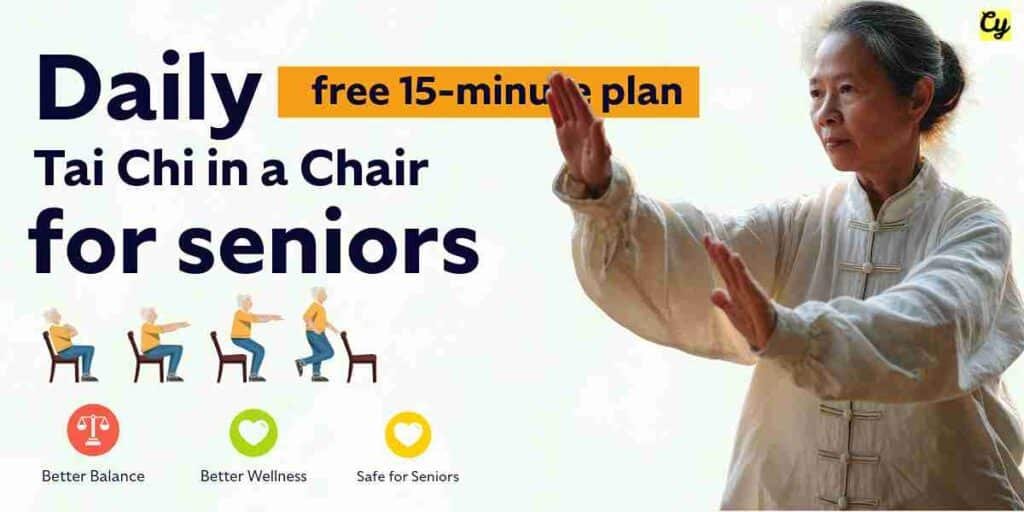
That’s one reason tai chi for arthritis keeps showing up in hospitals, physical therapy clinics, senior centers, and fall-prevention programs.
The movements are slow.
The joints stay supported.
And the body never gets slammed with impact.
That matters more than people realize.
The interesting part is this:
Many adults with arthritis tolerate tai chi better than walking programs, gym workouts, or aggressive stretching classes.
Especially after 60.
Table of Contents
Does tai chi help with arthritis?
Yes.
Research consistently shows tai chi helps many people with:
- joint stiffness
- balance problems
- knee pain
- mobility limitations
- fear of movement
- fall risk
The biggest improvements usually happen gradually.
Not overnight.
The body slowly becomes more comfortable with movement again.
The Arthritis Foundation tai chi guide recommends tai chi because the movements stay gentle while still improving coordination and strength.
And honestly, the mental side matters too.
People with chronic pain often move cautiously.
Tai chi slows everything down enough that the body starts trusting movement again.
Why tai chi works well for arthritic joints
Tai chi looks simple from the outside.
Slow arm motions.
Gentle weight shifts.
Controlled breathing.
But a lot is happening underneath.
The movements stay low impact
Running pounds joints repeatedly.
Heavy strength training compresses tissues hard.
Tai chi keeps forces relatively small.
That matters for:
- knee arthritis
- hip arthritis
- spinal arthritis
- older adults recovering from inactivity
The body gets movement without constant impact.
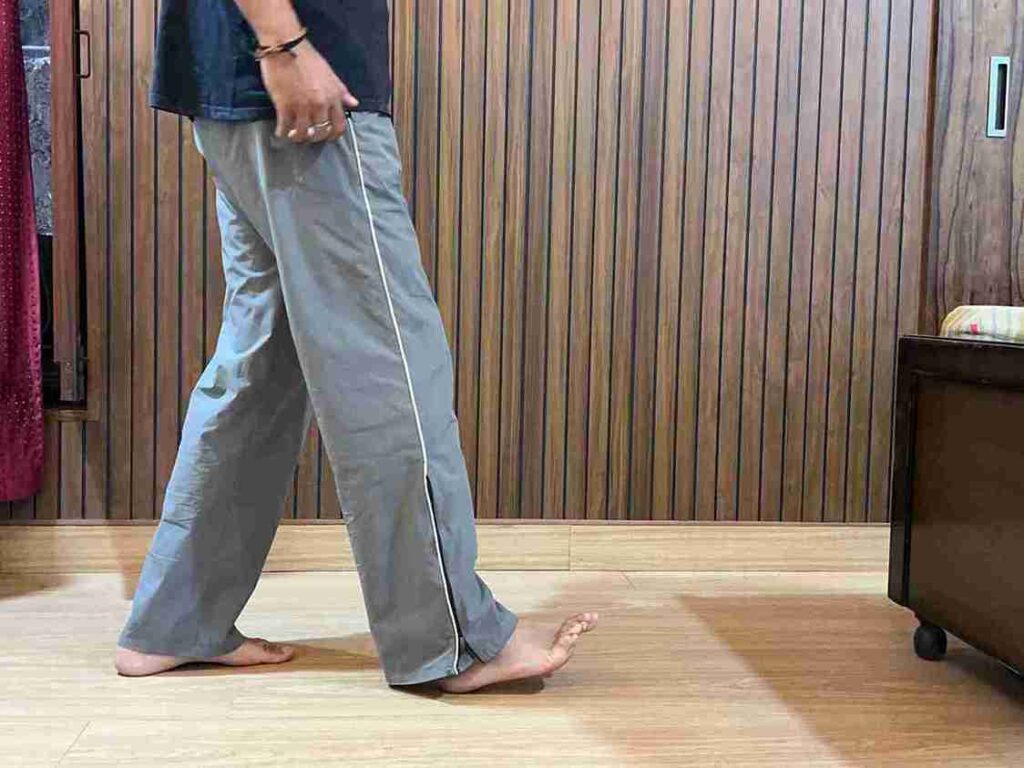
Weight shifting improves joint support
A lot of tai chi movements quietly train balance.
Small side-to-side shifts improve:
- ankle stability
- hip control
- leg strength
- coordination
That’s part of why tai chi for arthritis and fall prevention gets recommended together so often.
The CDC fall prevention resource repeatedly discusses balance training for older adults because falls become a serious risk after mobility declines.
Gentle repetition reduces stiffness
Arthritic joints usually hate aggressive stretching.
But they often respond well to repeated gentle movement.
Tai chi does a lot of that.
Small controlled motion.
Repeated slowly.
Without forcing range.
That pacing works surprisingly well for stiff knees and hips.
Tai chi for arthritis and fall prevention
This is probably one of the strongest reasons older adults start tai chi.
Fear changes movement.
You can see it instantly in seniors who’ve had:
- previous falls
- knee instability
- dizziness
- hip pain
People start walking cautiously.
Smaller steps.
Rigid posture.
Less confidence.
Tai chi trains controlled movement patterns slowly enough that balance improves without panic.
The National Institute on Aging exercise guide regularly recommends balance-focused movement for healthy aging.
And tai chi fits that extremely well.
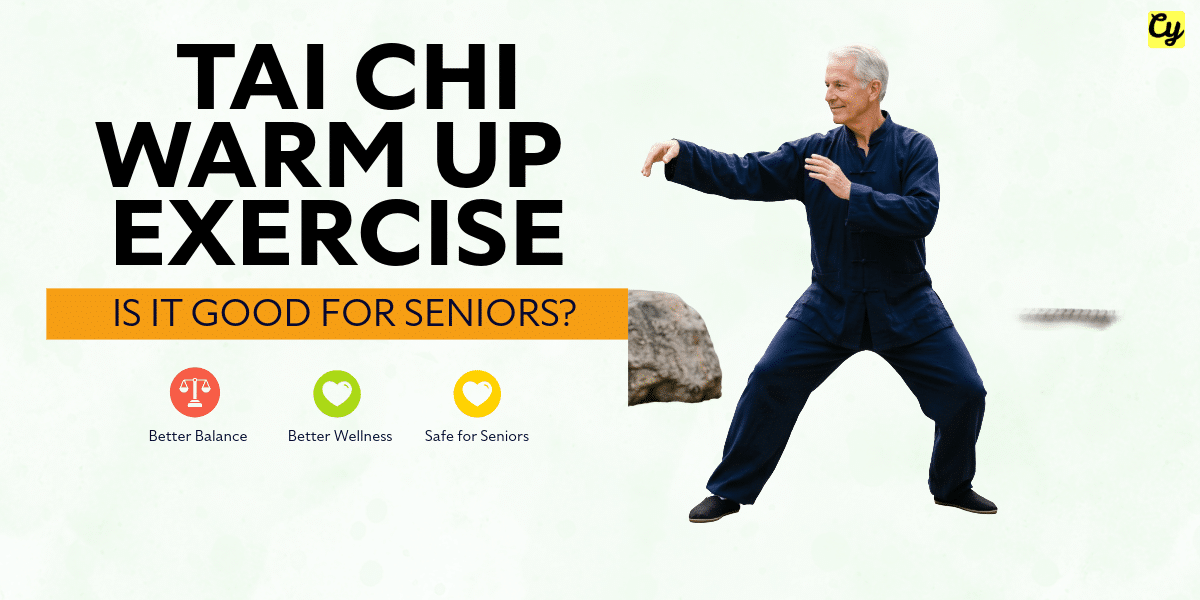
Tai chi for arthritis list of movements
Most beginner arthritis programs use slow, repeatable movements.
Nothing dramatic.
That’s usually the point.
Common tai chi movements for arthritis
Opening movement
Usually the starting posture.
Slow breathing.
Soft knees.
Relaxed shoulders.
This movement helps people settle into the session instead of rushing.
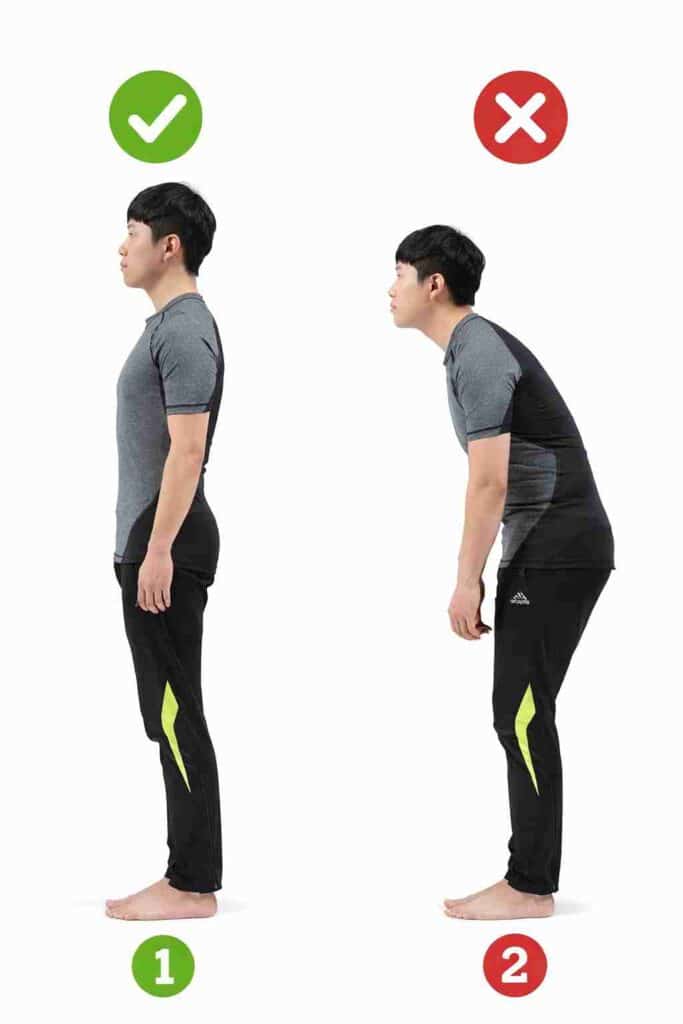
Wave hands like clouds
One of the most recognizable tai chi movements.
Gentle side stepping combined with flowing arm motion.
Good for:
- coordination
- shoulder mobility
- balance
- hip movement
Parting the wild horse’s mane
Controlled forward shifting movement.
Helps improve:
- leg control
- posture
- body awareness
Many beginners wobble during this one initially.
That’s normal.
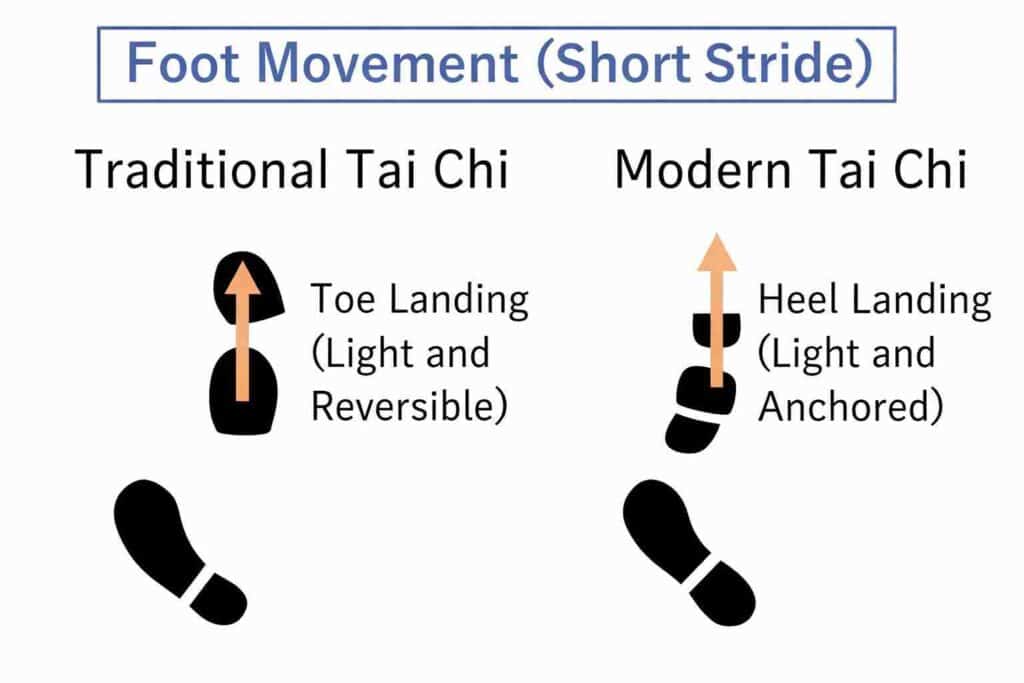
Brush knee and push
Slow, stepping movement.
Often included in tai chi for arthritis part 1 and 2 programs.
Builds:
- coordination
- weight transfer confidence
- lower-body endurance
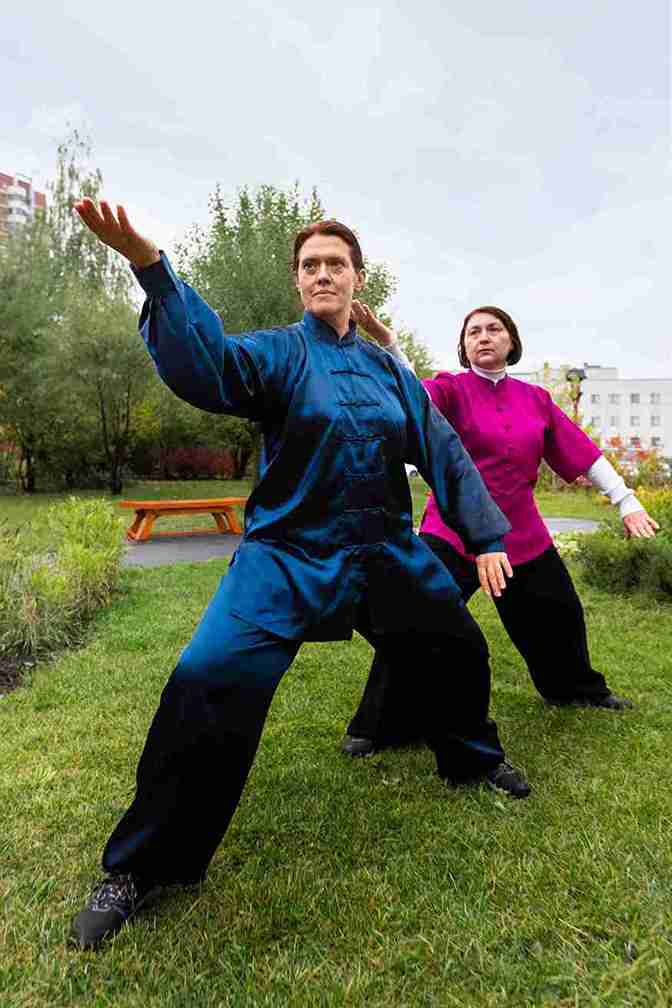
Golden rooster stands on one leg
This movement trains balance heavily.
Beginners usually modify it with chair support.
Especially adults over 70.
Tai chi for arthritis, parts 1 and 2
A lot of people searching for tai chi eventually run into the “part 1 and 2” system.
That structure comes from arthritis-focused tai chi programs designed specifically for older adults and beginners.
Part 1 usually teaches:
- basic posture
- breathing
- gentle weight shifting
- foundational movements
Part 2 typically adds:
- longer movement chains
- balance work
- coordination drills
- smoother transitions
The pacing stays slow intentionally.
People with arthritis usually learn better when movement patterns repeat consistently.
Especially older beginners.
Tai chi for arthritis part 2
Part 2 tends to challenge balance more.
Not aggressively.
But enough that people notice the difference.
This stage usually introduces:
- more turning movements
- longer stance transitions
- coordination sequences
- smoother flow between postures
A lot of seniors start feeling noticeably steadier around this point.
Especially getting:
- out of chairs
- off curbs
- around tight corners
- up stairs
The progress feels subtle at first.
Then suddenly daily movement starts feeling easier.
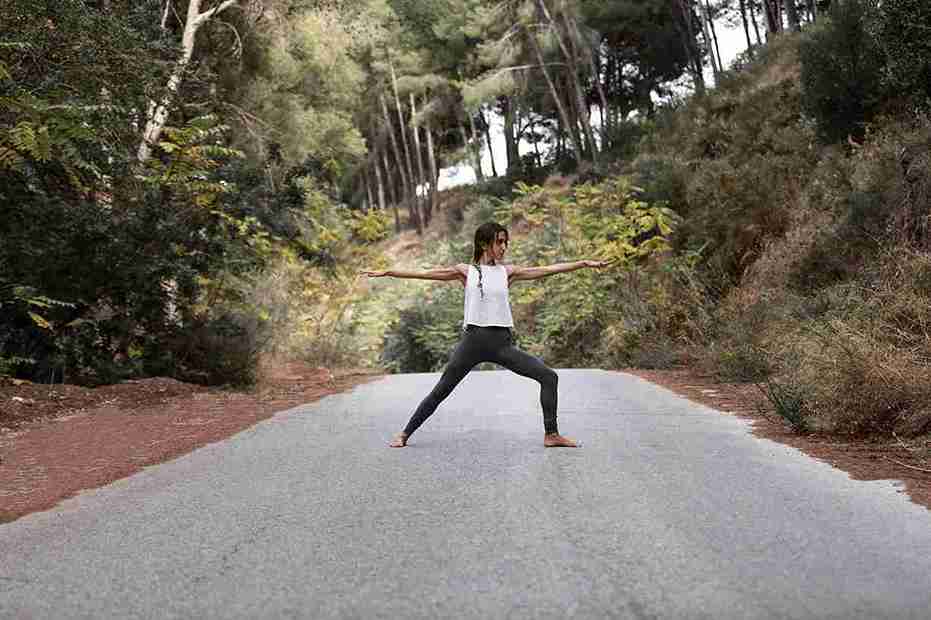
Tai chi for arthritis online
Online tai chi became huge after 2020.
Some seniors love it.
Others hate it immediately.
Honestly, both reactions make sense.
Online classes work well when:
- travel feels difficult
- weather limits movement
- local classes don’t exist
- people want slower pacing at home
Online classes fail when:
- instructions move too fast
- camera angles confuse beginners
- balance problems go unnoticed
- sessions become too advanced too quickly
I think shorter beginner sessions usually work best online.
Especially 10 to 20 minutes.
Long sessions overwhelm beginners fast.
Tai chi for arthritis near me
In-person classes still help many seniors more than online videos.
Especially beginners.
Good instructors usually notice things quickly:
- poor balance
- locked knees
- stiff shoulders
- over-rotating joints
That feedback matters.
If you’re searching for tai chi for arthritis near me, look for:
- senior centers
- hospital wellness programs
- physical therapy clinics
- arthritis foundations
- community recreation centers
And honestly, avoid classes that feel like athletic performance.
The best arthritis-focused classes usually feel calm and patient.
Tai chi for arthritis YouTube
YouTube helped a lot of older adults start moving again.
Especially people uncomfortable joining group classes immediately.
The problem is quality varies wildly.
Some videos are excellent.
Some clearly weren’t designed for aging joints at all.
Good beginner tai chi videos usually:
- move slowly
- repeat instructions clearly
- demonstrate modifications
- avoid advanced flexibility positions
- keep transitions controlled
Fast-paced martial arts style tai chi often frustrates arthritis beginners quickly.
Tai chi for arthritis part 1 and 2 YouTube
These videos are popular partly because repetition helps older adults learn movement patterns.
The brain likes familiarity.
Watching the same sequence repeatedly improves:
- confidence
- coordination
- timing
- movement memory
A lot of seniors quietly use the exact same 15-minute video for months.
That consistency matters more than variety early on.
Which is the most useful exercise for arthritis?
There probably isn’t one universal best exercise.
The answer changes depending on:
- pain level
- balance
- inflammation
- weight
- mobility
- age
- previous injuries
Walking helps some people.
Swimming helps others.
Strength training helps many.
Tai chi works well because it combines several things together:
- balance
- mobility
- coordination
- gentle strength
- controlled breathing
That combination fits aging bodies surprisingly well.
Especially for people who feel intimidated by traditional workouts.
Does tai chi lower cortisol?
Research suggests tai chi may help reduce stress-related nervous system activation.
And honestly, you can usually feel it.
People often finish tai chi sessions moving slower and breathing deeper.
The combination of:
- controlled breathing
- slow movement
- rhythm
- focus
…seems to calm the body down.The Harvard Health tai chi overview discusses tai chi’s effect on stress, balance, and overall well-being.
Stress matters more for arthritis than people think.
Tension changes posture.
Poor sleep changes inflammation.
Anxiety changes movement patterns.
The nervous system affects pain constantly.
How do Chinese people deal with arthritis?
A lot of traditional Chinese movement practices focus on consistency.
Small daily movement.
Regular walking.
Tai chi.
Gentle mobility work.
That long-term consistency matters.
Especially with aging joints.
People often imagine arthritis relief comes from one dramatic fix.
Usually improvement comes from:
- repeated movement
- pacing
- strength maintenance
- bodyweight control
- staying active consistently
Tai chi fits naturally into that style of movement.
Common mistakes beginners make with tai chi for arthritis
Moving too low too early
Beginners often bend knees too deeply trying to “look correct.”
Then the knees flare up the next morning.
Smaller movements work better initially.
Locking the joints
People stiffen elbows and knees without realizing it.
Tai chi usually works better with soft relaxed joints.
Practicing too long
A 15-minute session repeated consistently usually beats one exhausting 60-minute session.
Especially for beginners over 60.
Ignoring recovery
Sleep matters.
Hydration matters.
Inflammation matters.
Arthritic joints recover slower.
That changes programming.
Myth vs reality: tai chi for arthritis
| Myth | Reality |
|---|---|
| “Tai chi is just slow waving” | The movements quietly train balance and strength |
| “You need flexibility first” | Beginners usually start stiff |
| “Pain means stop moving completely” | Gentle movement often helps stiffness |
| “Tai chi is only for older adults” | Many athletes use it for coordination and recovery |
| “Hard workouts always work better” | Arthritic joints often tolerate slower movement better |
| “Results happen fast” | Improvement usually builds gradually |
Best results timeline
| Time | What People Usually Notice |
|---|---|
| Week 1 | Slightly less stiffness |
| Week 2 | Better movement confidence |
| Week 3 | Improved balance awareness |
| Week 4 | Smoother walking and posture |
| Month 2+ | Better endurance and coordination |
Conclusion
Tai chi for arthritis works well partly because it respects aging joints.
The movements stay controlled.
The pacing stays manageable.
And the body gets stronger without constant impact.
That combination matters after 60.
Especially for people who stopped trusting movement because of pain or instability.
The biggest improvements usually come from consistency.
Small sessions.
Repeated often.
Without forcing the body into positions it hates.
That approach tends to last.
FAQs
Does tai chi help with arthritis pain?
Yes. Research shows tai chi may help reduce stiffness, improve mobility, and support balance in people with arthritis.
Is tai chi safe for seniors with arthritis?
Usually yes, especially beginner-friendly programs with slower pacing and balance modifications.
Can beginners do tai chi for arthritis?
Absolutely. Many tai chi arthritis programs are designed specifically for beginners and older adults.
Is tai chi better than walking for arthritis?
It depends on the person. Tai chi usually places less impact on joints while improving balance and coordination.
How often should I practice tai chi for arthritis?
Most beginners do well with 15 to 30 minutes, 3 to 5 times per week.
Can tai chi help prevent falls?
Yes. Tai chi improves balance, coordination, and movement confidence, which may reduce fall risk in older adults.



2 thoughts on “Tai Chi for Arthritis: Gentle Movements That Actually Help Stiff Joints”
Please review the information on your website about tai chi and arthritis. I’ve had rheumatoid arthritis for 26 years which also causes osteoarthritis. I now have arthritis in my feet. My tai chi master of 30 years training in Taiwan recommends you be barefoot or wear flat shoes. My foot arthritis worsened in the 1.5 years I took tai chi wearing flat shoes. It makes me sad that I can no longer do tai chi but my feet do not hurt after stopping tai chi for 8 months. The master said I could not do tai chi in supportive shoes.
Hi Amelia, thank you so much for sharing your experience. I’m really sorry to hear that your foot arthritis became worse while practicing tai chi in flat shoes.
You make an important point: there isn’t one type of footwear that is right for everyone with arthritis. What works for one person may increase pain or pressure for another, especially when the feet are affected by rheumatoid arthritis or osteoarthritis. Current arthritis guidance also recognizes that supportive, comfortable footwear can be helpful for people with foot arthritis.
I’m glad to hear that your feet improved after stopping tai chi. Since you have a long history of rheumatoid arthritis and are experiencing foot pain, I would recommend discussing footwear and whether you can safely return to tai chi with your rheumatologist, podiatrist, or physical therapist. They can assess your feet and recommend footwear that suits your individual needs.
Thank you again for bringing this to my attention. Your experience is valuable, and I’ll review the information on my website so that it doesn’t suggest that barefoot or flat shoes are suitable for everyone.