
1 in 4 adults over 65 falls every year. That’s 14 million people, according to the CDC.
Balance exercises for seniors are the most effective, low-cost intervention for fall prevention available. No gym required.
And falls are the leading cause of injury-related death in that age group. The fall death rate increased 21% between 2018 and 2024.
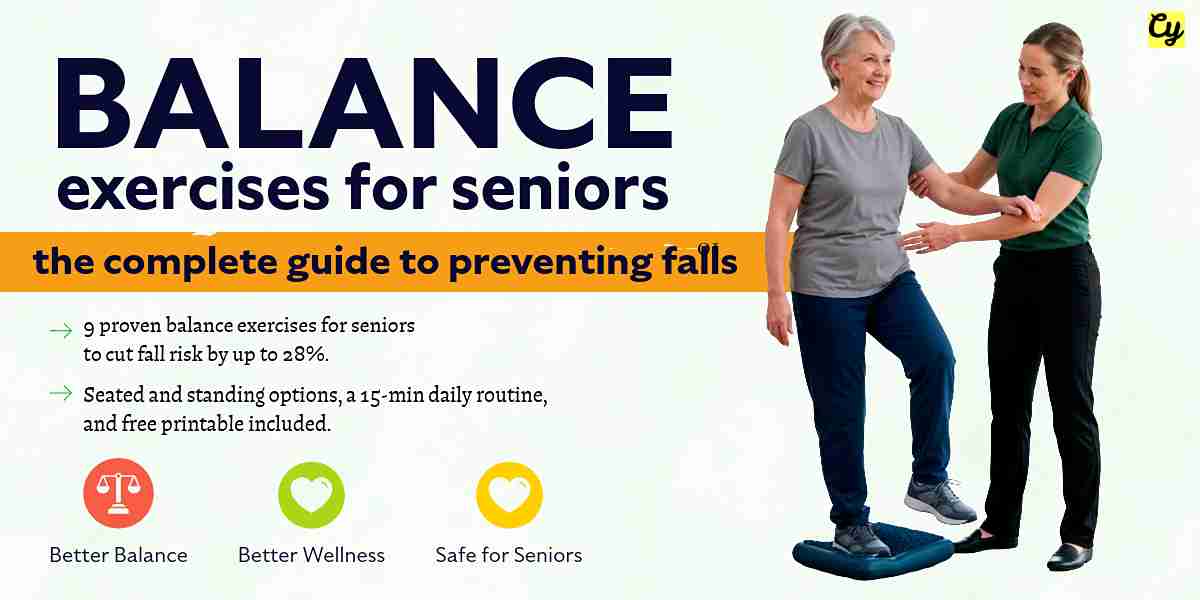
Those numbers are alarming. But here’s the part that matters: balance is a skill. You can train it at any age. And the research on this is clear, balance exercises for seniors reduce fall risk by 23–24%, with multi-component programmes reducing falls by up to 28%.
This guide covers the most effective balance exercises for seniors, starting from seated and progressing to standing, with everything you need to build a 15-minute daily routine.
Table of Contents
Why balance gets worse with age (and why that’s fixable)
This is exactly why balance exercises for seniors need to start before a fall happens, not after.
3 systems control your balance: your vision, your inner ear (the vestibular system), and proprioception (the nerve signals from your feet and legs telling your brain where your body is in space).
All 3 decline with age. Muscle strength in the legs drops. Reaction time slows. Nerve sensitivity in the feet decreases.
But here’s what the research shows: these systems respond to training. A 2025 randomised controlled trial found that seniors aged 80+ who did strength and balance exercises 3 times a week for 12 months showed measurable improvements in mobility, muscle strength, and dynamic balance, compared to a control group who changed nothing.
80 years old. Still improving.

Balance exercises for seniors work. The research is clear on that. What matters is which ones to do and how often.
Before you start: safety basics
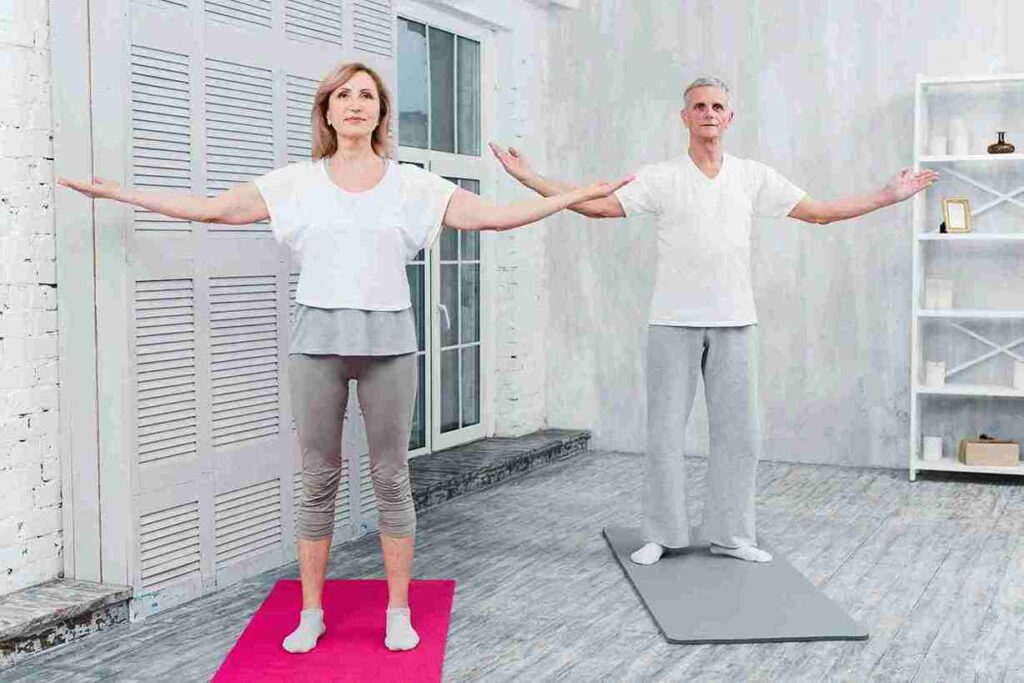
Every exercise in this guide can be done at home. But do these 3 things first:
- Use a sturdy chair. (Not a wheeled office chair. A dining chair or a chair with no wheels that won’t slide when you press on it.)
- Wear non-slip shoes or bare feet. (Socks on wood floors are a fall risk on their own.)
- Clear the space around you. (You need about 3 feet of clear floor in every direction.)
That’s it. No special equipment needed.
All the balance exercises for seniors in this guide follow these same safety principles.
Balance exercises for seniors: seated (start here)
If you’re new to balance training or have had a fall recently, start seated. These exercises build the core stability and proprioception that underpin everything else.
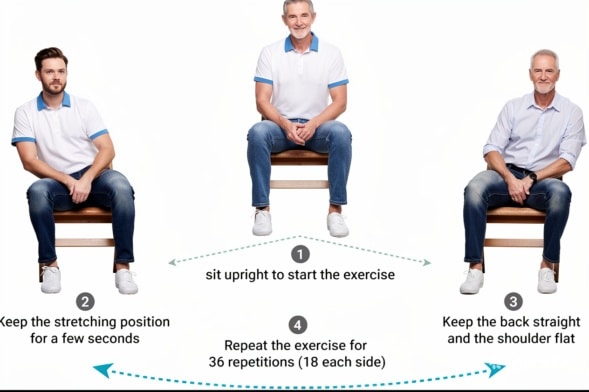
1. Seated weight shifts
Sit upright in your chair, feet flat on the floor. Slowly shift your weight to the right, feeling pressure move into your right hip. Hold 5 seconds. Shift back through centre, then to the left. Hold 5 seconds.
Do 10 reps each side.
This trains your body to detect and correct imbalance, which is exactly what it needs to do when you trip on uneven ground.
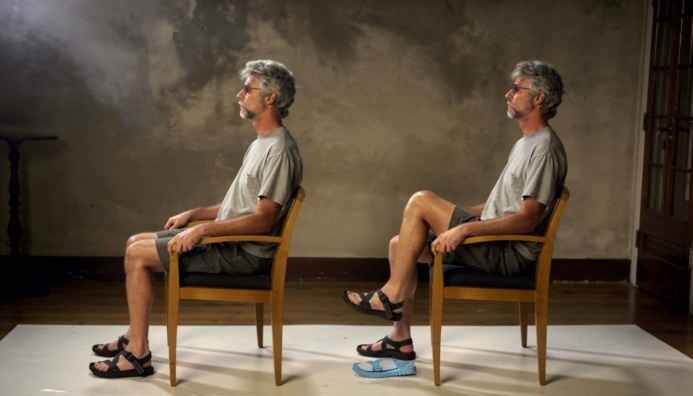
2. Seated marching
Sit tall, hands resting on thighs. Lift one knee up slowly, hold for 2 seconds, lower. Alternate legs. 20 reps total.
Go slowly. The slower you go, the harder your core works to keep you stable.
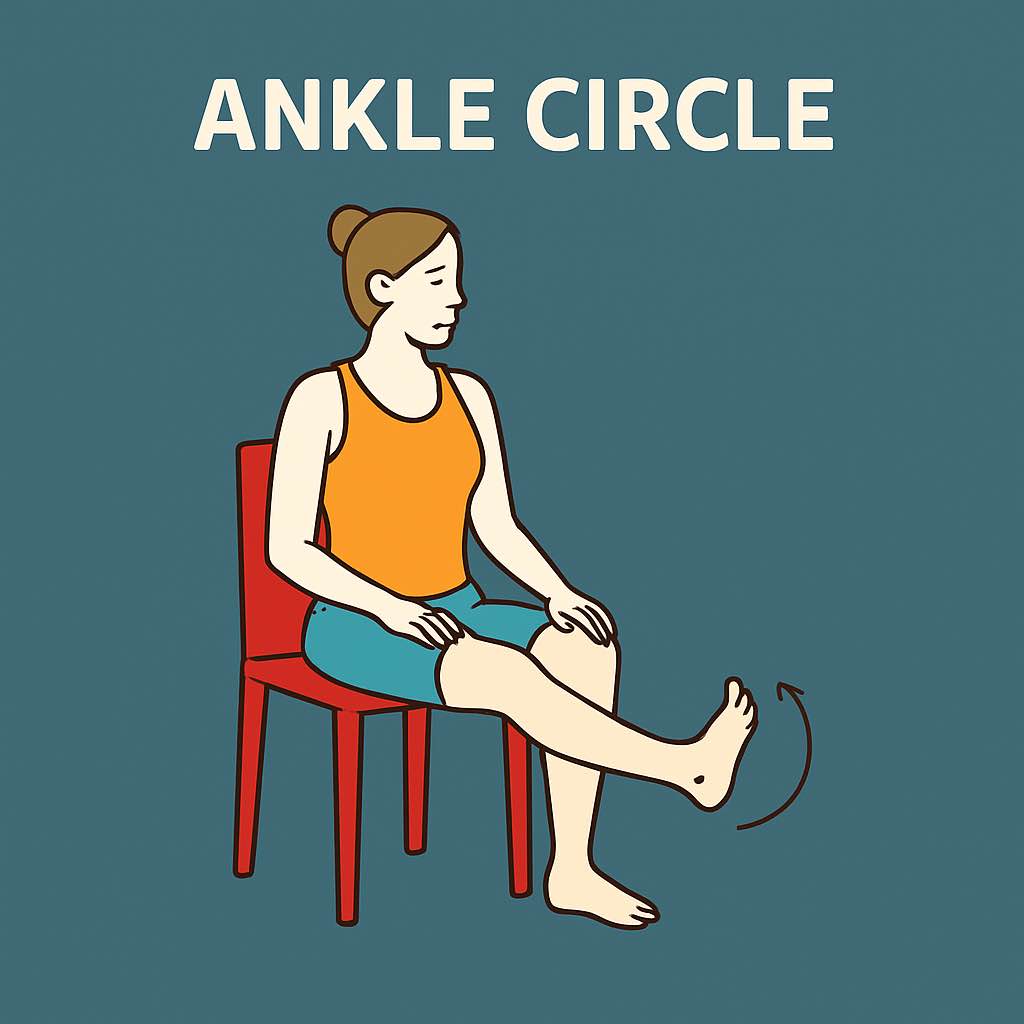
3. Ankle circles and heel raises
Lift one foot slightly off the floor. Rotate the ankle 10 times clockwise, 10 times anticlockwise. Switch feet.
Then: feet flat, raise both heels off the floor slowly, hold 2 seconds, lower. 15 reps.
The ankles are the first responders in any balance correction. Most people ignore them completely.
Ankle strength is one of the most overlooked parts of balance exercises for seniors.
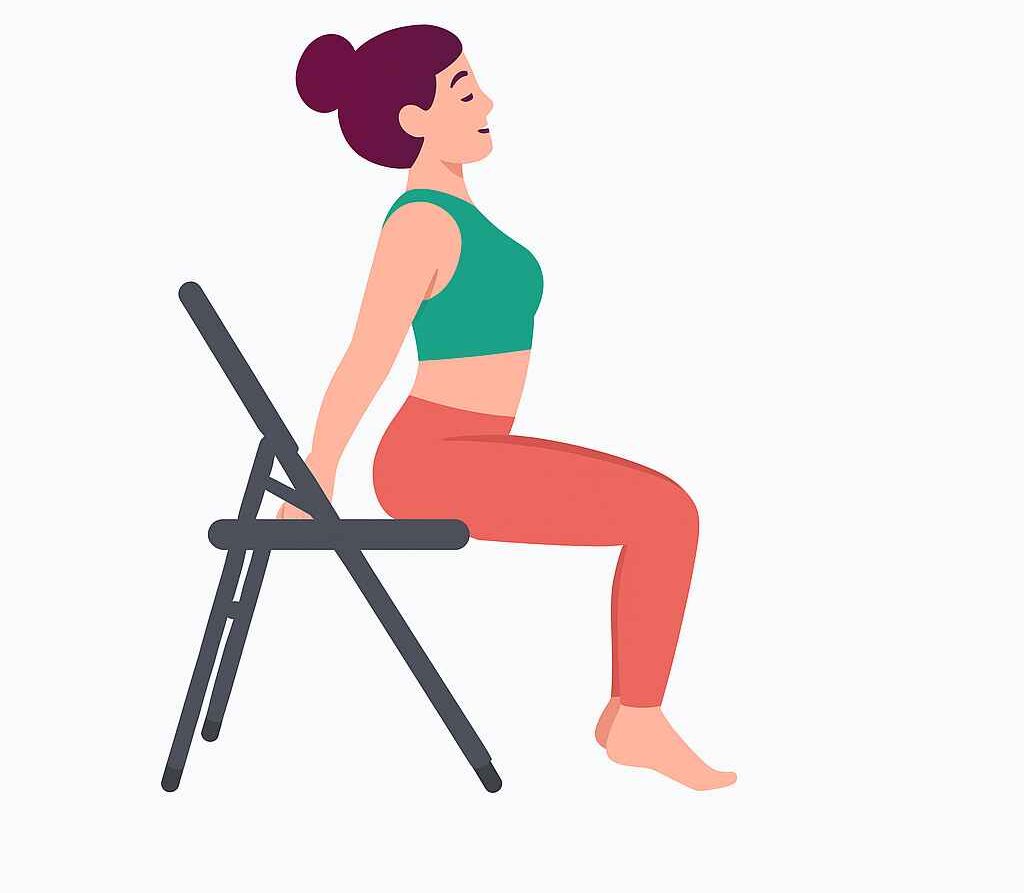
4. Seated single-leg extension
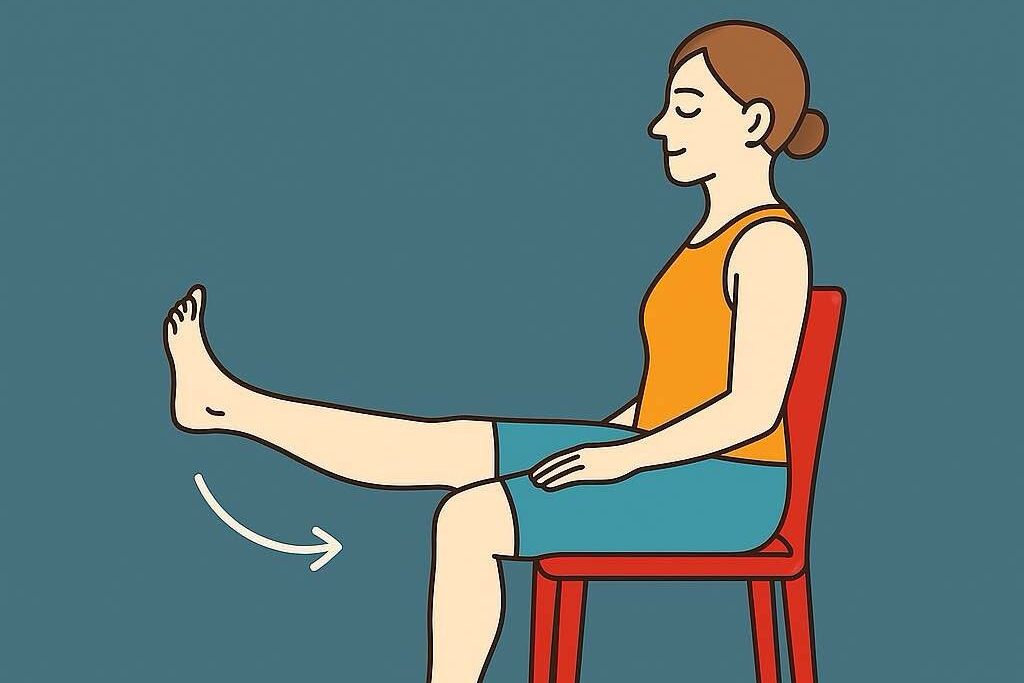
Sit upright, extend one leg straight out in front of you and hold it there for 10 seconds. Keep your back straight, don’t lean back. Switch legs. 8 reps each side.
This directly strengthens the quadriceps, which are the muscles that control the sit-to-stand movement and catch you when you stumble.
Balance exercises for seniors: standing (progress to these)
Once seated exercises feel easy (usually 2–3 weeks of daily practice), move to standing. Keep the chair in front of you for support. Use it as needed and back off gradually as confidence builds.
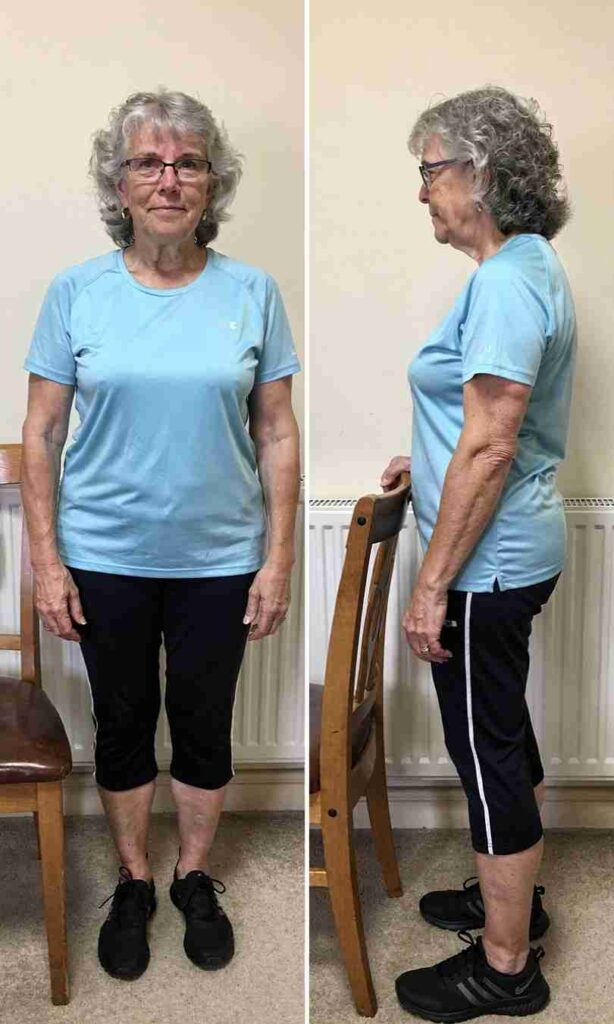
5. Heel-to-toe stand (tandem stance)
Stand behind your chair, holding the back. Place one foot directly in front of the other, heel touching toe. Hold for 20–30 seconds. Switch feet.
This position mimics the narrow base of support that triggers most real-life falls. It’s the exercise the CDC’s 4-Stage Balance Test uses to assess fall risk in clinical settings.
Work towards holding it for 60 seconds on each side without holding the chair.
6. Single-leg stand
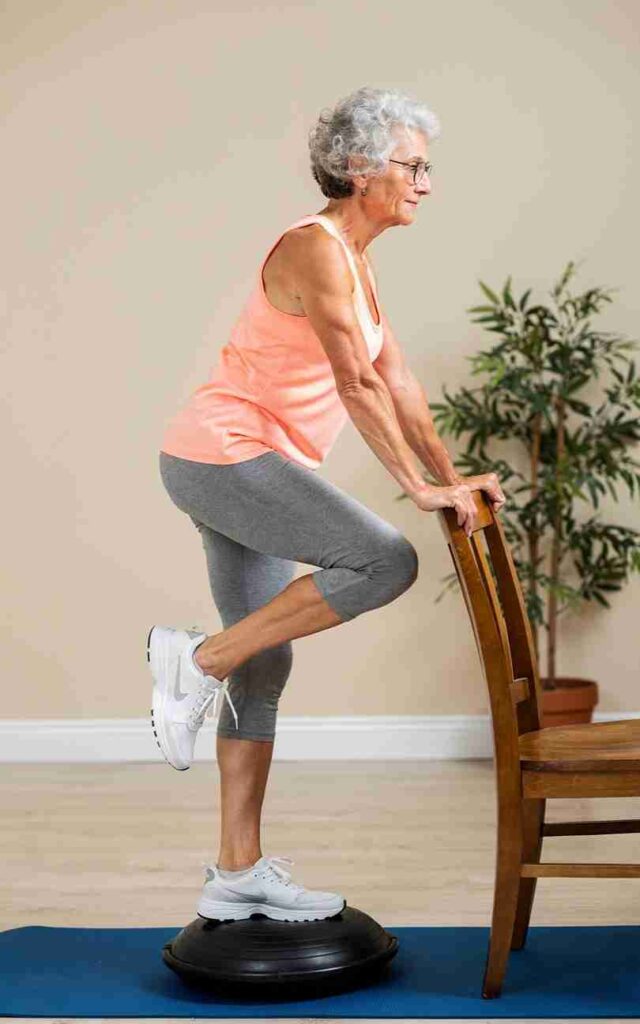
Hold the chair back, lift one foot just off the ground. Hold for 10 seconds. Switch sides.
The progression: two hands on chair, one hand, one finger, no hands, arms crossed over chest. Move through these stages over weeks, not days.
The target: 30 seconds on each leg with no hand support. If you can’t do 10 seconds yet, that’s fine. That’s exactly why you’re here.
This is the most researched of all balance exercises for seniors and the one most linked to real-world fall prevention.
7. Heel raises
Stand behind the chair, feet hip-width apart, light fingertip contact on the chair back. Rise up onto your toes, hold 2 seconds, lower slowly.
The slow lowering part is what builds ankle strength. Don’t rush it. 15 reps.
As you get stronger, do these on one foot at a time.
8. Side leg raises
Stand beside the chair, holding the back with one hand. Slowly lift one leg out to the side, about 12 inches off the floor. Hold 2 seconds, lower slowly. 10 reps each side.
This targets the hip abductors, the muscles most responsible for preventing sideways falls. Most balance programmes skip them. Most falls happen sideways.
9. Tandem walk (heel-to-toe walking)
Find a clear hallway. Walk in a straight line, placing each foot heel-to-toe in front of the other, like walking a tightrope. 20 steps forward, turn carefully, 20 steps back.
Keep one hand near the wall without touching it. The point is to train without support, while keeping the wall there as backup.
This is the exercise most closely linked to real-world fall prevention because it mimics actual walking mechanics under a balance challenge.
How balance exercises connect to chair yoga
Balance training and chair yoga work on the same systems. Both require proprioception, core engagement, and controlled movement.
If you’re already doing our chair yoga for seniors programme, you’re already building balance. Tree Pose, Warrior III, and Eagle Pose from our yoga poses names guide all directly train single-leg stability.
And if you’ve been doing our 7 balance and flow exercises for seniors, the exercises above are a natural progression that takes those foundations further.
The two approaches complement each other. Do balance exercises 3 times a week. Do chair yoga on the other days. Your body will notice within 2–3 weeks.
How often should seniors do balance exercises?
Consistency is what separates balance exercises for seniors that work from ones that don’t.
3 times a week is the evidence-based target. Each session 15–20 minutes. That’s what the research showing 23–24% fall risk reduction is based on.
Daily is better than 3x a week, but 3x a week is better than nothing. Don’t let perfect be the enemy of consistent.
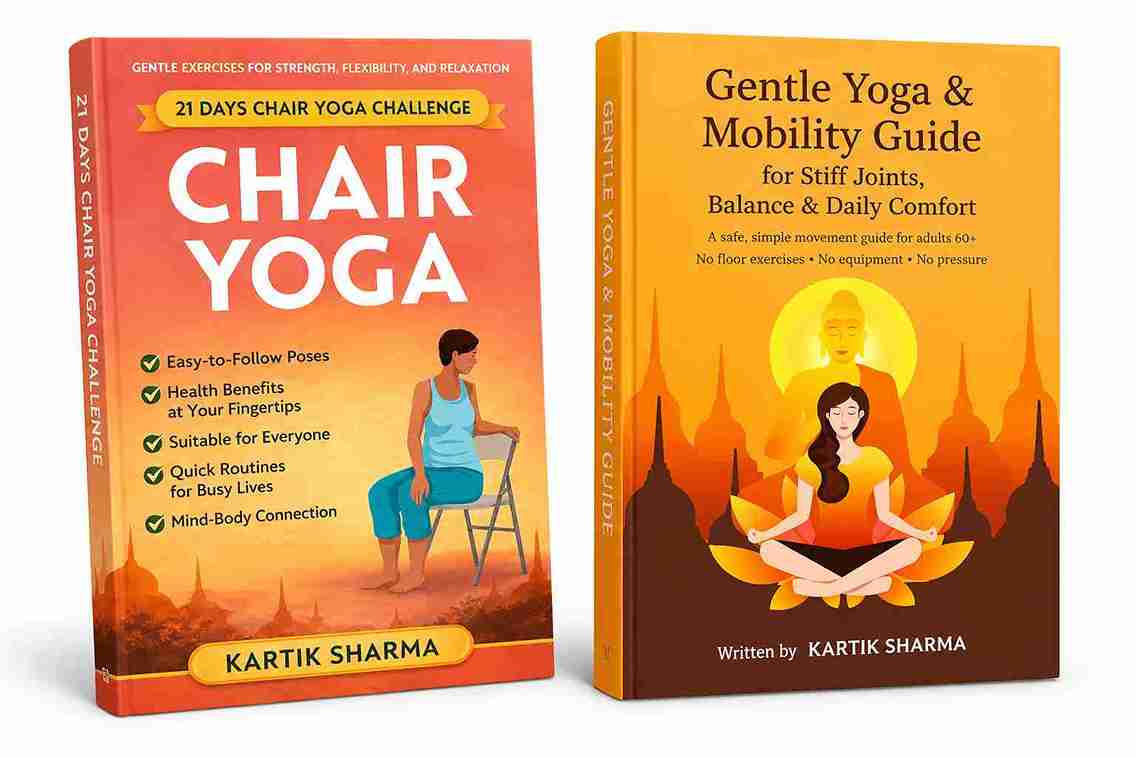
Gentle Chair Yoga Guides for Adults 50+
Two beginner-friendly guides designed to help support flexibility, balance, mobility, and everyday comfort with simple chair-based routines.
A realistic weekly structure:
- Monday, Wednesday, Friday: balance exercises (this guide)
- Tuesday, Thursday: chair yoga or gentle movement
- Weekend: walk, rest, or light stretching
Our daily yoga routine for seniors covers the off days and keeps you moving without overdoing it.
The sit-to-stand test: where do you rank?
There’s a simple test used by physiotherapists to screen fall risk in seniors. Sit in a chair with your arms crossed over your chest. Stand up and sit back down as many times as you can in 30 seconds, without using your hands.
The scoring:
- Under 60: fewer than 8 reps is high fall risk
- 60–69: 12 reps is average
- 70–79: 10 reps is average
- 80+: 8 reps is average
If you scored below average, the single-leg stand, heel raises, and side leg raises in this guide target exactly the muscles driving that score. Do them daily for 4 weeks and retest.
What makes balance worse
A few things actively undermine balance that are worth knowing about:
Certain medications. Tranquilisers, sedatives, and some antidepressants affect steadiness, according to the CDC. If you’ve noticed your balance worsening since starting a new medication, mention it to your GP.
Vision changes. Balance relies heavily on your eyes. An outdated glasses prescription is a genuine fall risk. Get your eyes checked annually.
Inactivity. The less you move, the faster balance deteriorates. This is the most common cause and the most fixable.
Fear of falling. Fear of falling causes people to move less, which makes balance worse, which increases actual fall risk. Physical therapists call this the “fear-avoidance cycle.” The only way through it is gradual, supported practice, exactly like this guide.
Frequently asked questions
How long does it take for balance exercises to work?
Most seniors notice improved confidence within 2–3 weeks of regular practice. Measurable improvements in balance tests typically show up at 6–8 weeks. The 28% fall risk reduction in research studies was measured at 12 weeks of consistent training.
Can balance exercises be done sitting down?
Yes. The seated exercises in this guide (weight shifts, marching, ankle circles, leg extensions) build the core stability and proprioception that underpin standing balance. They’re the right starting point if standing exercises feel unsafe.
What is the single best balance exercise for seniors?
The single-leg stand has the most research behind it as a predictor and improver of balance in seniors. But it only works if you progress it over time: from 2 hands on the chair, to 1 hand, to fingertip, to no hands.
Can tai chi help with balance?
Yes, strongly. The research on tai chi and balance in seniors is among the most consistent in the field. Our tai chi for seniors guide covers the specific movements that translate best to fall prevention.
Should I see a physiotherapist before starting?
If you’ve had a fall in the last 12 months, or you feel unsteady on your feet daily, yes. A physio can assess your specific balance deficits and give you a targeted programme. If you’re generally active and just want to maintain and improve, these exercises are safe to start at home.
Your 15-minute routine
Here’s everything above in a single daily routine. Do this 3 times a week minimum.
Seated (5 minutes):
- Seated weight shifts: 10 reps each side
- Seated marching: 20 reps
- Ankle circles: 10 each direction, each foot
- Seated single-leg extension: 8 reps each leg
Standing (10 minutes):
- Heel raises: 15 reps
- Side leg raises: 10 reps each side
- Tandem stance: 30–60 seconds each side
- Single-leg stand: 10–30 seconds each side
- Tandem walk: 20 steps forward, 20 back
Start at the lower end of every range. Progress when the exercise feels too easy, not before.
Download our free printable chair yoga for seniors to keep alongside this routine. The two work better together than either does alone.
Balance exercises for seniors work best done little and often. 15 minutes, 3 times a week. That’s the whole ask.
PRINTABLE
Free Printable: Chair Yoga for Seniors (Step-by-Step Poses)
Get a beautiful A4 printable of 10 gentle chair yoga poses for seniors. Each pose includes clear instructions and breathing tips — perfect for daily use!
🙏 Did this guide help you move with more comfort?
Every guide on Chair Yoga is shared 100% free to help seniors and caregivers move safely at home.
Every coffee helps create more free content ❤️