
Balance tends to get less attention than strength or flexibility.
You notice it when stepping off a curb. Reaching for something on a high shelf. Turning quickly after hearing your phone ring in another room.
And if you’ve ever felt a little wobbly during those moments, you’re not alone.
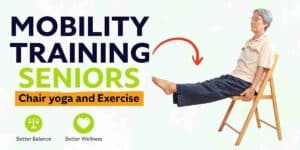
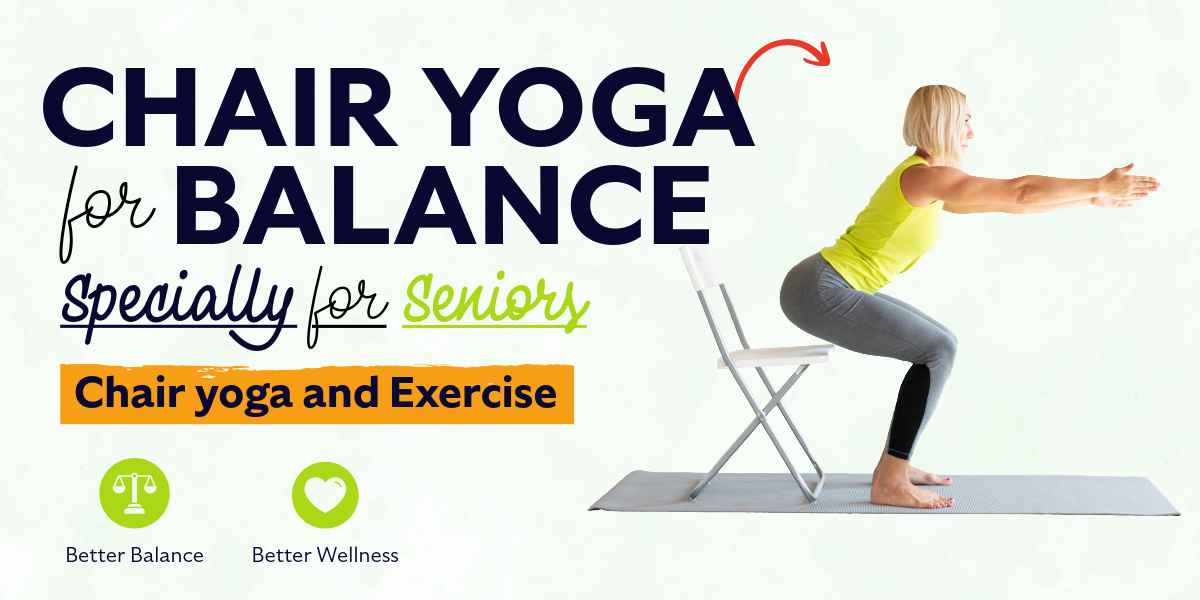
Chair yoga for balance gives you a safe way to train stability without standing on one foot across the room like a flamingo. The chair stays there for support while your body practices the small movements that help you stay steady throughout the day.
Table of Contents
Why balance matters as you get older
Falls are one of the biggest causes of injury among older adults.
A lot of people think balance disappears overnight. It doesn’t. It usually fades little by little. You stop moving as much, muscles get weaker, joints stiffen, and your body becomes slower at reacting when you lose footing.
The good news?
Balance can improve at almost any age.
I’ve seen seniors who struggled to stand on one leg for 2 seconds eventually walk with more confidence after doing simple balance exercises a few times each week.
According to the National Institute on Aging, balance exercises can help reduce fall risk.

How chair yoga helps balance
Your balance depends on several things working together:
- Leg strength
- Core stability
- Joint mobility
- Body awareness
- Reaction time
Chair yoga works on all of them.
Small controlled movements teach your body where it is in space. That sounds simple, but it’s exactly what helps you catch yourself before a stumble becomes a fall.
And because you’re using a chair, you can focus on movement instead of worrying about losing balance.
Before you begin chair yoga for balance
Grab a sturdy chair that doesn’t roll or swivel.
Place it on a flat surface. Wear comfortable clothing and supportive shoes if needed.
Move slowly.
Balance training isn’t a race.
The CDC reports that falls are a leading cause of injury among older adults.
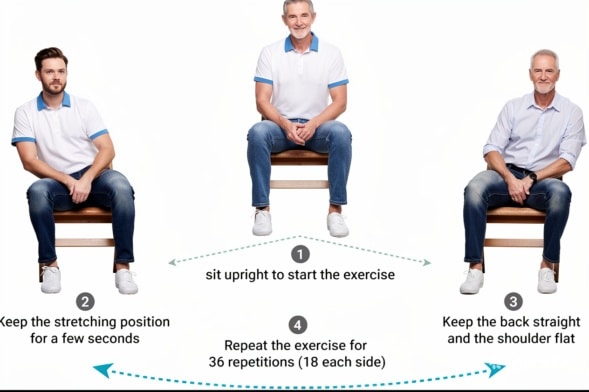
1. Seated weight shifts
This exercise teaches your body to control movement from side to side.
How to do it
- Sit tall near the front of the chair.
- Place both feet flat on the floor.
- Shift your weight gently toward the right hip.
- Return to center.
- Shift toward the left hip.
- Repeat 10 times per side.
Keep the movement smooth.
Think of it like slowly pouring water from one side of a bowl to the other.
2. Seated marching
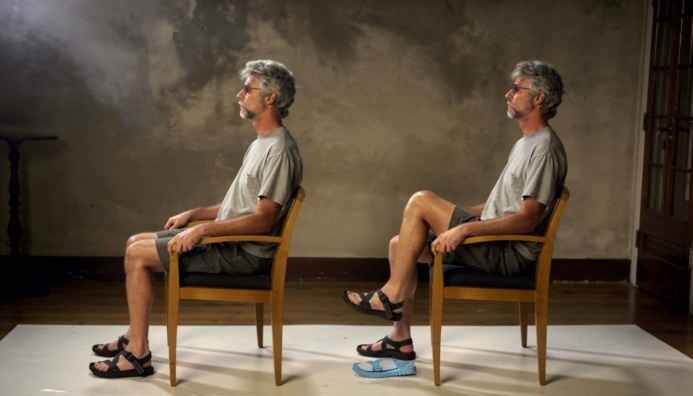
This one wakes up the hips, core, and lower body.
How to do it
- Sit upright.
- Lift your right knee.
- Lower it slowly.
- Lift your left knee.
- Continue alternating for 1 minute.
Avoid leaning backward.
Your abdominal muscles should stay lightly engaged throughout the exercise.
3. Heel-to-toe foot lifts
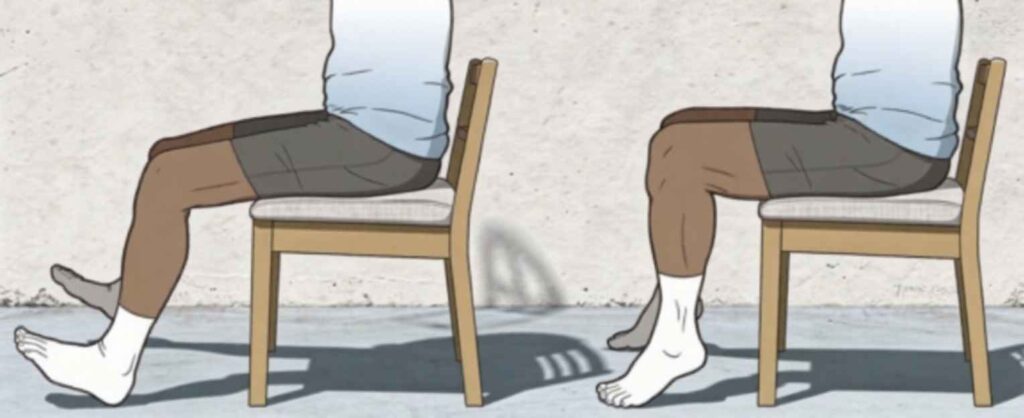
Strong ankles play a bigger role in balance than most people realize.
How to do it
- Sit comfortably with both feet on the floor.
- Lift your toes while keeping your heels down.
- Lower them.
- Lift your heels while keeping your toes down.
- Repeat 15 times.
The movement looks tiny.
The payoff isn’t.
4. Single-leg chair hold
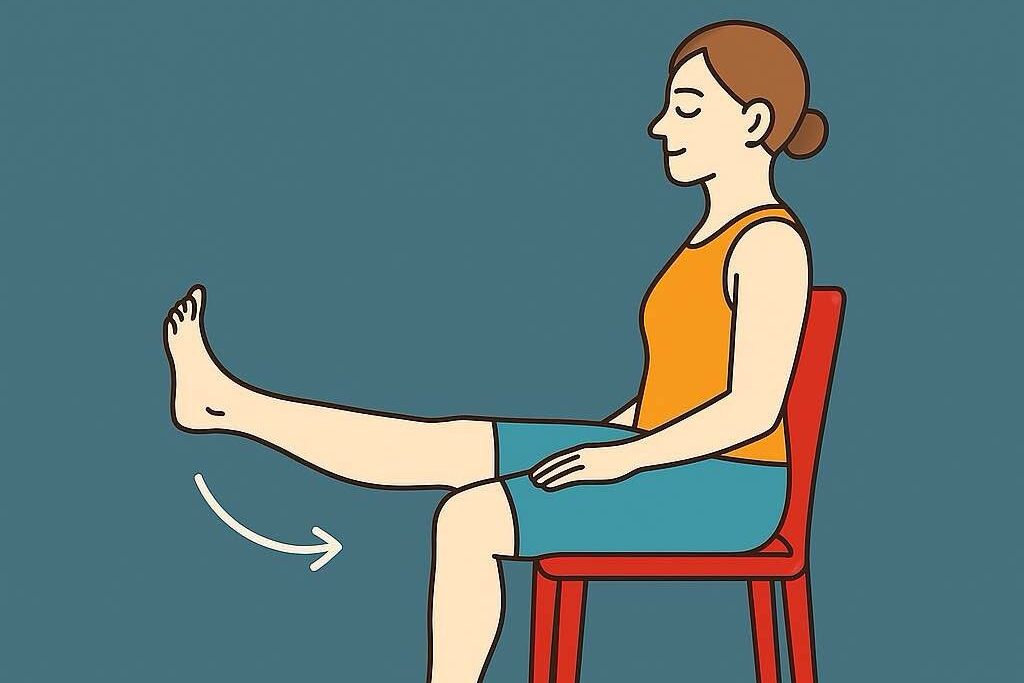
This exercise starts building stability on one side of the body at a time.
How to do it
- Sit tall.
- Hold the sides of the chair if needed.
- Lift one foot a few inches off the floor.
- Hold for 5 to 10 seconds.
- Lower and switch sides.
Don’t worry about lifting high.
A few inches is plenty.
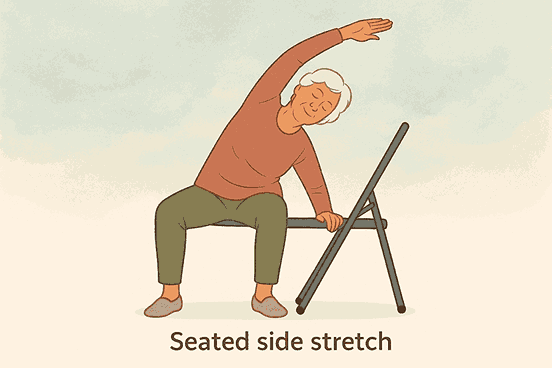
5. Seated side bends
Good balance depends on being able to control movement outside your center line.
How to do it
- Sit upright.
- Place your right hand beside the chair.
- Reach your left arm overhead.
- Bend gently toward the right.
- Return to center.
- Repeat on the other side.
Perform 8 repetitions per side.
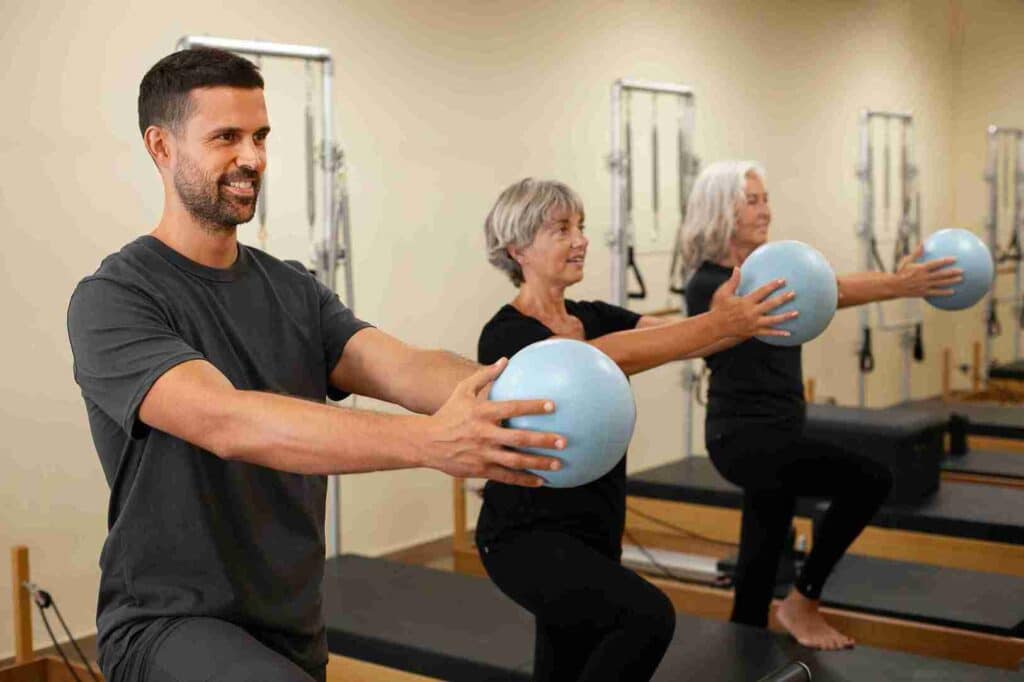
6. Chair-assisted standing balance
Here’s where things get a little more challenging.
The chair stays within arm’s reach the entire time.
How to do it
- Stand behind the chair.
- Hold the backrest lightly.
- Lift one foot slightly off the floor.
- Hold for 10 to 20 seconds.
- Switch sides.
Try looking straight ahead instead of down.
Your balance system likes that.
7. Seated knee extensions
Strong thighs help you stay steady while standing and walking.
How to do it
- Sit tall.
- Straighten your right leg.
- Hold for 2 seconds.
- Lower slowly.
- Repeat 10 times.
- Switch legs.
Slow lowering matters more than fast lifting.
A simple 10-minute chair yoga balance routine
If you’re short on time, do this sequence:
| Exercise | Time |
|---|---|
| Seated Weight Shifts | 1 minute |
| Seated Marching | 2 minutes |
| Heel-To-Toe Foot Lifts | 2 minutes |
| Single-Leg Chair Hold | 2 minutes |
| Seated Side Bends | 1 minute |
| Chair-Assisted Standing Balance | 2 minutes |
That’s it.
10 minutes.
Most people spend longer deciding what to watch on television.
Safety tips
A few common-sense rules go a long way.
- Use a stable chair.
- Stop if you feel dizzy.
- Move slowly between exercises.
- Keep water nearby.
- Hold the chair whenever you feel unsure.
And if you’ve had a recent fall, surgery, or medical condition affecting balance, talk with your healthcare provider before starting.
Common mistakes
People often rush balance exercises.
That’s backwards.
Balance improves when movements stay controlled. Slow repetitions teach your nervous system how to react when real-life situations happen.
Another mistake is gripping the chair like it’s trying to escape.

Use enough support to feel safe, but allow your muscles to do some of the work.
When will you notice results?
Most people start feeling more confident after 3 to 4 weeks of regular practice.
The first change usually isn’t dramatic.
You simply feel steadier.
Getting out of a chair feels easier. Walking across a room feels smoother. Turning around doesn’t feel quite so awkward.
Those small wins add up.
And that’s really what chair yoga for balance is about.
More confidence.
More stability.
And a little extra freedom every time you move.
🙏 Did this guide help you move with more comfort?
Every guide on Chair Yoga is shared 100% free to help seniors and caregivers move safely at home.
Every coffee helps create more free content ❤️