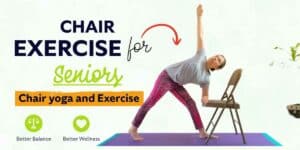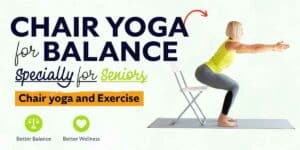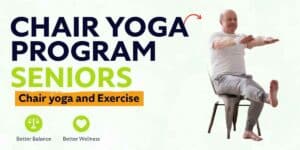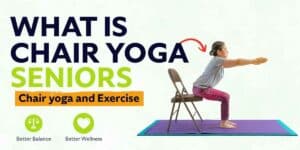
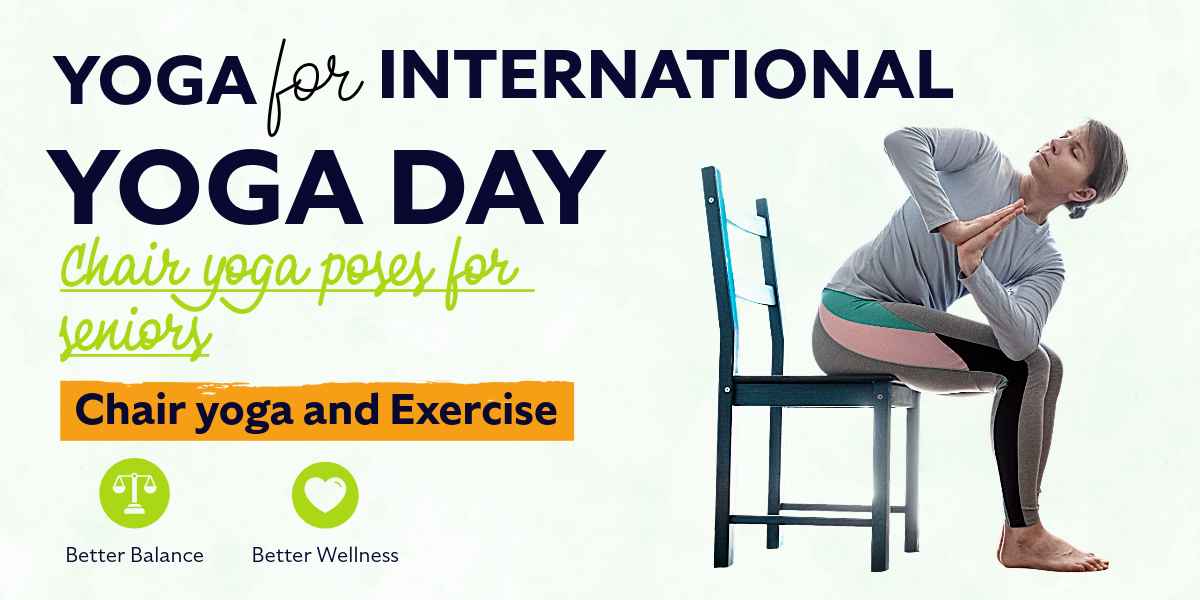

Yoga for International Yoga Day can look different for everyone. Some people attend community yoga events, while others practice quietly at home.
For seniors, chair yoga is one of the easiest ways to celebrate International Yoga Day while improving flexibility, balance, and mobility.
Every year on June 21, millions of people roll out yoga mats, join community classes, and celebrate International Yoga Day.
But here’s something I notice every year.
Many seniors skip the celebration because they think yoga requires getting down on the floor, balancing in difficult positions, or twisting into shapes that seem impossible.
It doesn’t.
Yoga has never been about touching your toes.
It’s about connecting movement with breath and giving your body the attention it deserves.
That’s exactly why chair yoga deserves a place in every International Yoga Day celebration.
A simple chair can turn yoga into something almost anyone can enjoy, regardless of age, flexibility level, or mobility limitations.

And honestly, that’s what makes chair yoga special.
It meets you where you are.
Table of Contents
Why Yoga for International Yoga Day belongs?
International Yoga Day was created to encourage people around the world to make yoga part of their lives.
- The goal isn’t perfection.
- The goal is participation.
Chair yoga helps more people join the celebration.
Someone recovering from surgery can do it.
Someone with arthritis can do it.
Someone who hasn’t exercised in years can do it.
Someone in their 70s, 80s, or even 90s can often participate with appropriate modifications.
That’s a beautiful thing.
Yoga becomes accessible instead of intimidating.
What makes chair yoga different?
Traditional yoga often requires moving from standing positions to floor positions and back again.
Chair yoga removes many of those barriers.
The chair provides support.
Balance becomes less of a concern.
Getting up and down from the floor is no longer necessary.
You can focus on movement instead of worrying about falling over.
For many seniors, that confidence changes everything.
When people feel safe, they’re more likely to keep moving.
Benefits of chair yoga for seniors
The effects go beyond flexibility.
Many seniors notice improvements in daily activities after practicing consistently.
1. Better mobility
Simple movements help joints move through comfortable ranges of motion.
That can make everyday tasks feel easier.
Things like:
- Reaching overhead
- Turning around
- Getting dressed
- Standing up from a chair
Small improvements often create noticeable differences.
2. Improved balance
- Balance tends to decline gradually with age.
- Chair yoga includes movements that strengthen muscles around the hips, core, and legs.
- Those muscles help keep you steady when walking or changing directions.
3. Reduced stiffness
- Have you ever stood up after sitting for an hour and felt like your body needed a few minutes to remember how to move?
- Most people have.
- Gentle stretching can help loosen stiff muscles and joints.
4. Better posture
- Many seniors spend hours sitting every day.
- Over time, shoulders drift forward and posture becomes less upright.
- Chair yoga encourages awareness of how you sit and move.
- Your back appreciates that.
A calmer mind
One of the simplest parts of yoga is breathing.
Yet it may be one of the most powerful.
A few slow breaths can make a stressful day feel a little more manageable.
Yoga for International Yoga Day
- Grab a sturdy chair.
- Avoid chairs with wheels.
- Sit near the front edge of the seat with both feet flat on the floor.
- Wear comfortable clothing.
- And move slowly.
Yoga isn’t a race.
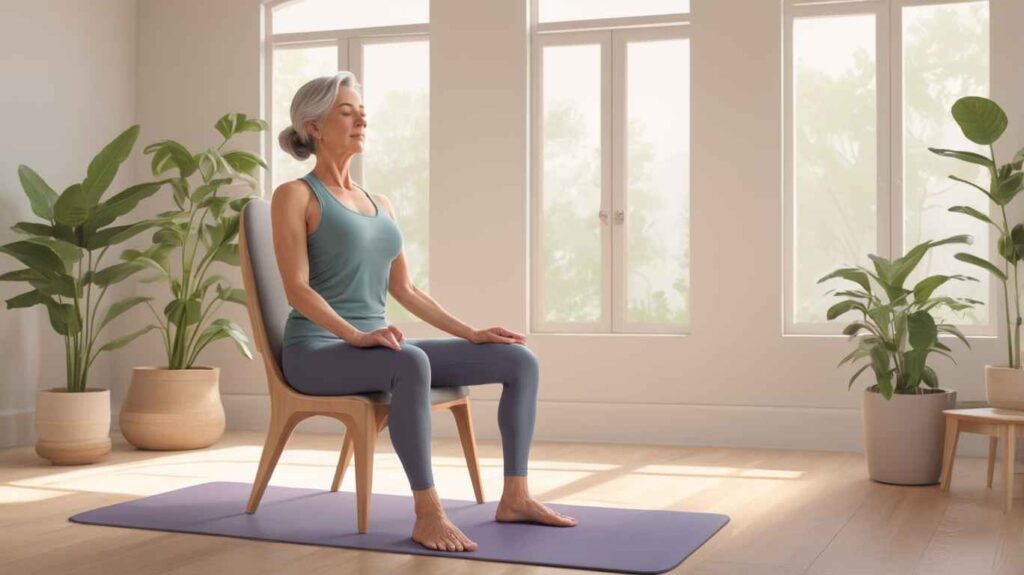
1. Seated mountain pose
Every yoga practice needs a starting point.
For chair yoga, seated mountain pose is often where everything begins.
The pose looks simple.
The benefits are real.
How to do seated mountain pose
- Sit tall in your chair.
- Place both feet flat on the floor.
- Rest your hands on your thighs.
- Lengthen through your spine.
- Relax your shoulders.
- Take 5 slow breaths.
That’s it.
No complicated movement.
Just good posture and mindful breathing.
Why it helps
Many people spend years sitting with rounded shoulders and a forward head position.
This pose gently reminds your body what upright posture feels like.
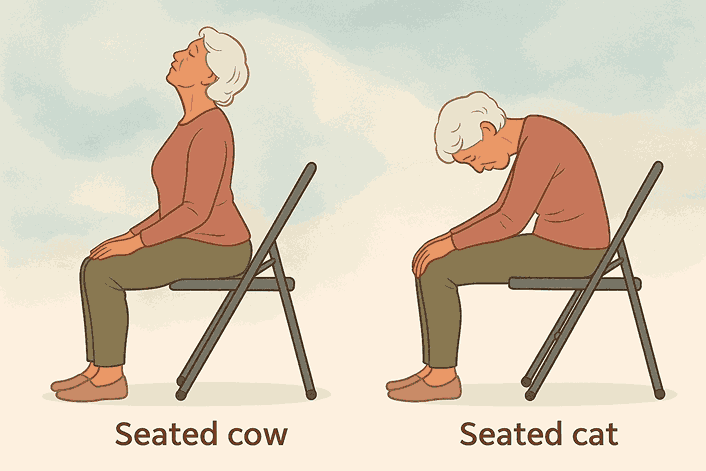
2. Seated cat-cow stretch
This movement helps wake up the spine.
It’s also one of the most popular chair yoga exercises among beginners.
How to do seated cat-cow
- Sit tall.
- Place your hands on your knees.
- Inhale as you lift your chest and look slightly upward.
- Exhale as you round your back and tuck your chin.
- Continue for 8 to 10 repetitions.
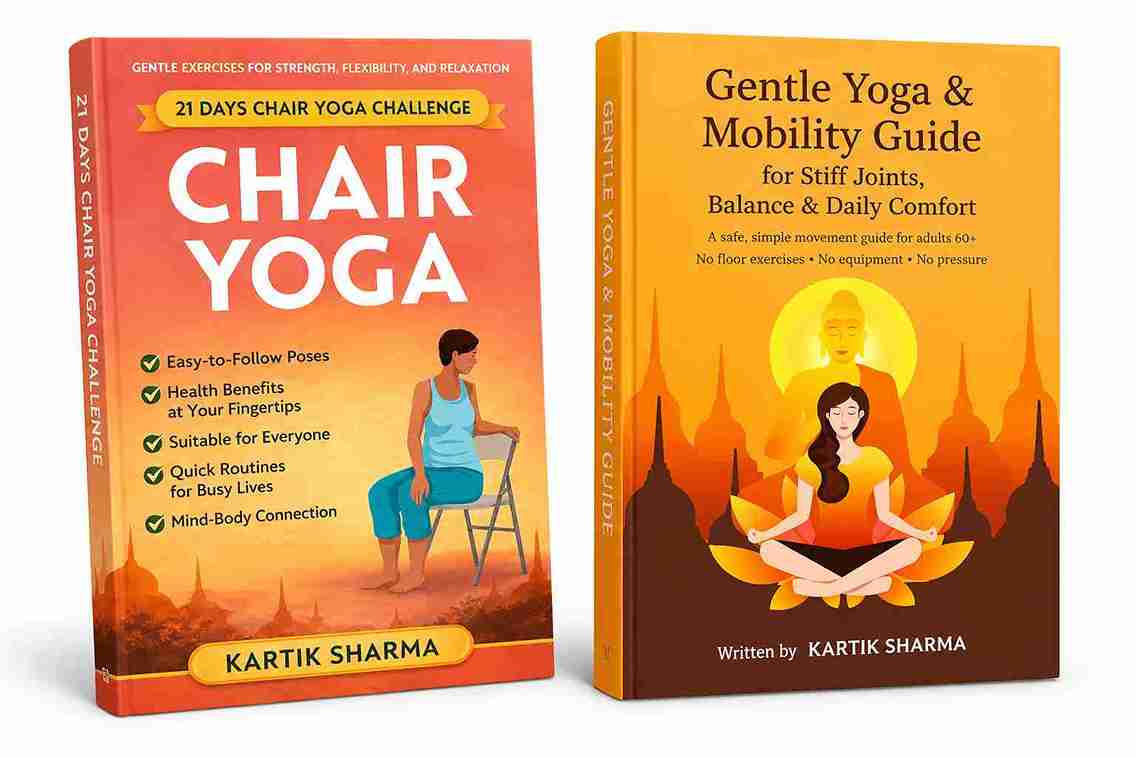
Gentle Chair Yoga Guides for Adults 50+
Two beginner-friendly guides designed to help support flexibility, balance, mobility, and everyday comfort with simple chair-based routines.
Move with your breath.
The rhythm matters more than speed.
Why it helps
Many seniors experience stiffness in the back after long periods of sitting.
This exercise encourages gentle movement throughout the spine.
And it simply feels good.
3. Seated side bend
Everyday movement requires your body to move in multiple directions.
Many exercise routines ignore side-to-side flexibility.
Chair yoga doesn’t.
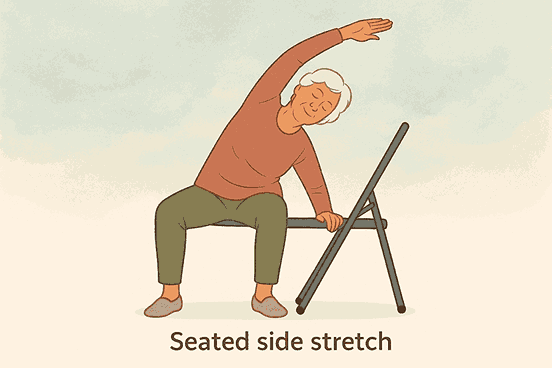
How to do a seated side bend
- Sit upright.
- Place your right hand on the chair.
- Raise your left arm overhead.
- Lean gently toward the right side.
- Hold for 3 breaths.
- Return to center.
- Repeat on the opposite side.
Why it helps
This stretch targets muscles along the sides of the torso.
Many people feel immediate relief through the ribs, shoulders, and waist area.
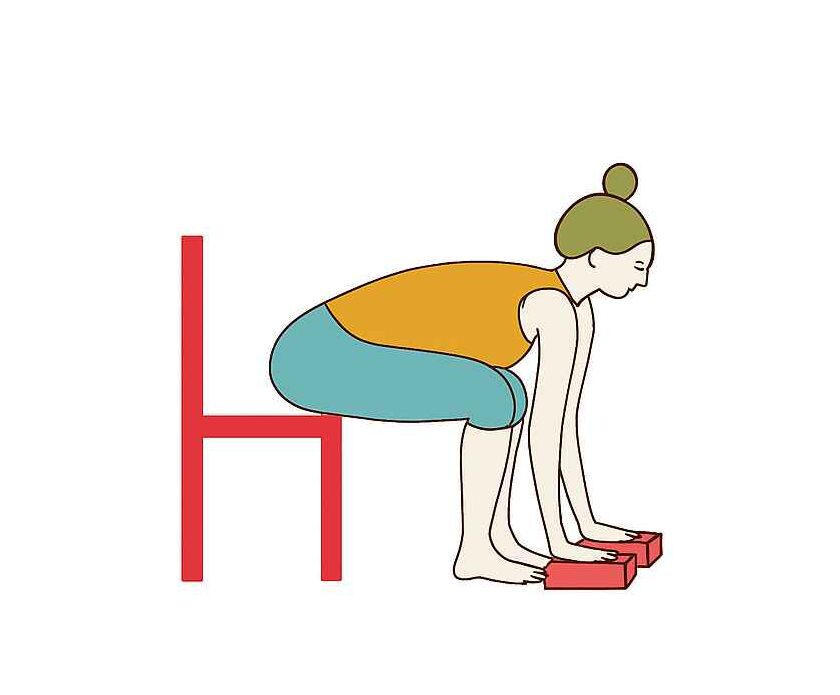
4. Seated forward bend
This pose encourages flexibility through the back and hamstrings.
There’s no need to force anything.
Gentle movement works best.
How to do a seated forward bend
- Sit near the front edge of the chair.
- Keep your feet flat on the floor.
- Slowly hinge forward from the hips.
- Let your hands rest wherever comfortable.
- Hold for several breaths.
- Return slowly to an upright position.
Why it helps
This pose creates a mild stretch through the lower back and backs of the legs.
Many seniors enjoy how relaxing it feels.
A simple breathing exercise for International Yoga Day
Yoga isn’t only movement.
Breathing deserves attention too.
Try this simple exercise.
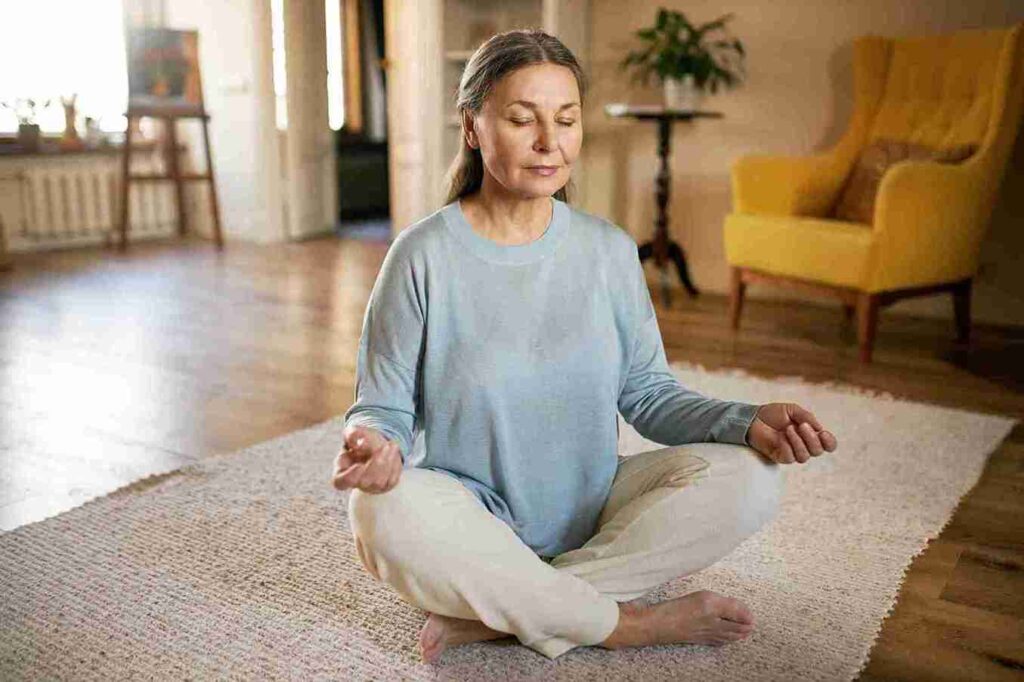
Seated breathing practice
- Sit comfortably.
- Inhale through your nose for a count of 4.
- Exhale slowly through your nose for a count of 4.
- Repeat for 1 minute.
That’s all.
One minute.
You may be surprised how different you feel afterward.
Making International Yoga Day meaningful
Many people treat June 21 like a one-day event.
A single yoga session is wonderful.
A consistent habit is even better.
- Start with 10 minutes.
- Practice a few poses.
- Take a few deep breaths.
- See how your body responds.
Sometimes the smallest routines become the ones that stick.
And that’s often where lasting change begins.
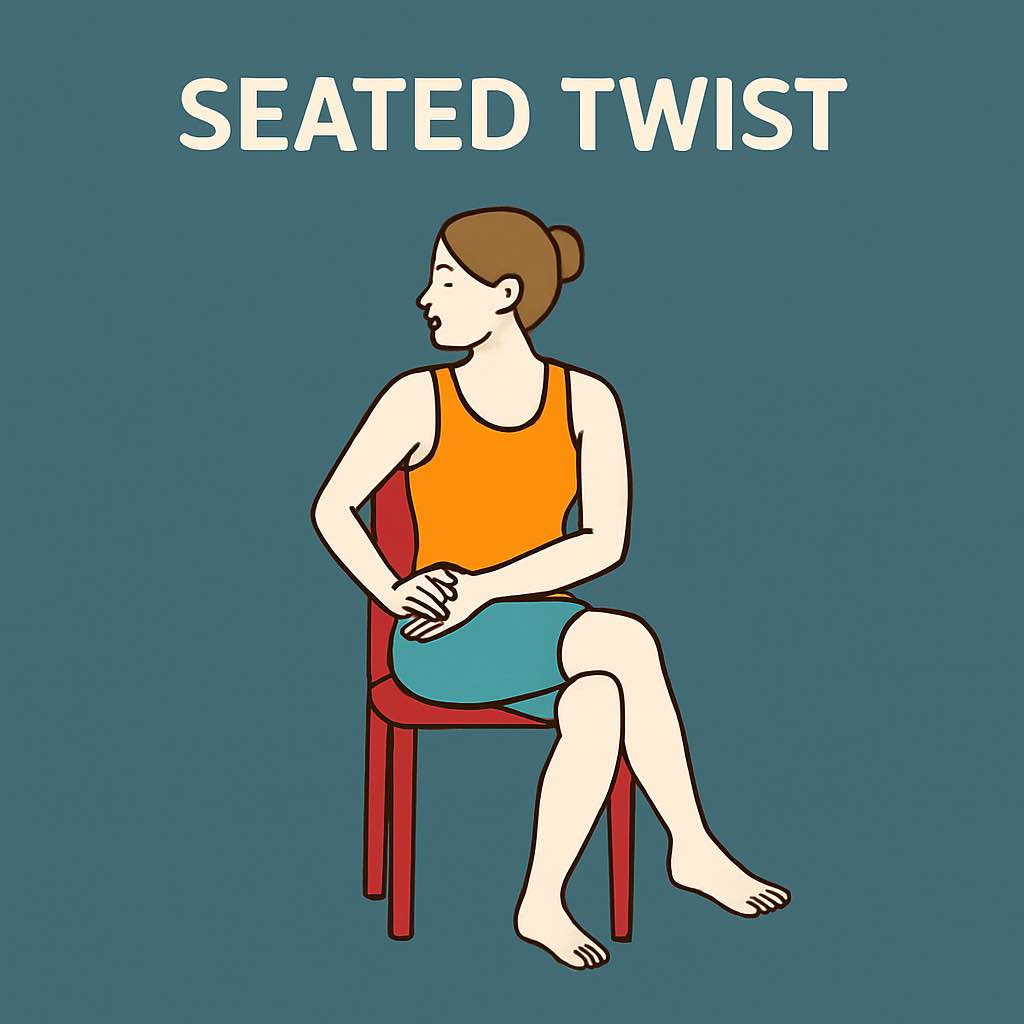
5. Seated twist
Most people don’t twist very much during everyday life.
Your spine notices.
A gentle seated twist helps maintain mobility through the back and torso.
How to do a seated twist
- Sit tall with both feet on the floor.
- Place your right hand on the outside of your left thigh.
- Place your left hand behind you on the chair.
- Gently rotate your upper body toward the left.
- Hold for 3 slow breaths.
- Return to center.
- Repeat on the other side.
Keep the movement comfortable.
Yoga should never feel like a wrestling match with your spine.
Why it helps
Many seniors report feeling less stiff after adding gentle twisting movements to their routine.
The pose can also encourage better awareness of posture and movement throughout the day.
6. Seated warrior pose
Warrior poses are common in traditional yoga classes.
A chair-supported version makes the movement much more approachable.
How to do seated warrior pose
- Sit sideways on your chair.
- Turn your chest toward the open side.
- Extend your arms out to the sides.
- Keep your spine tall.
- Hold for 3 to 5 breaths.
- Switch sides.
Why it helps
This pose engages the upper body while encouraging better posture and body awareness.
It also feels surprisingly empowering.
There is something about sitting tall with your arms extended that naturally encourages confidence.
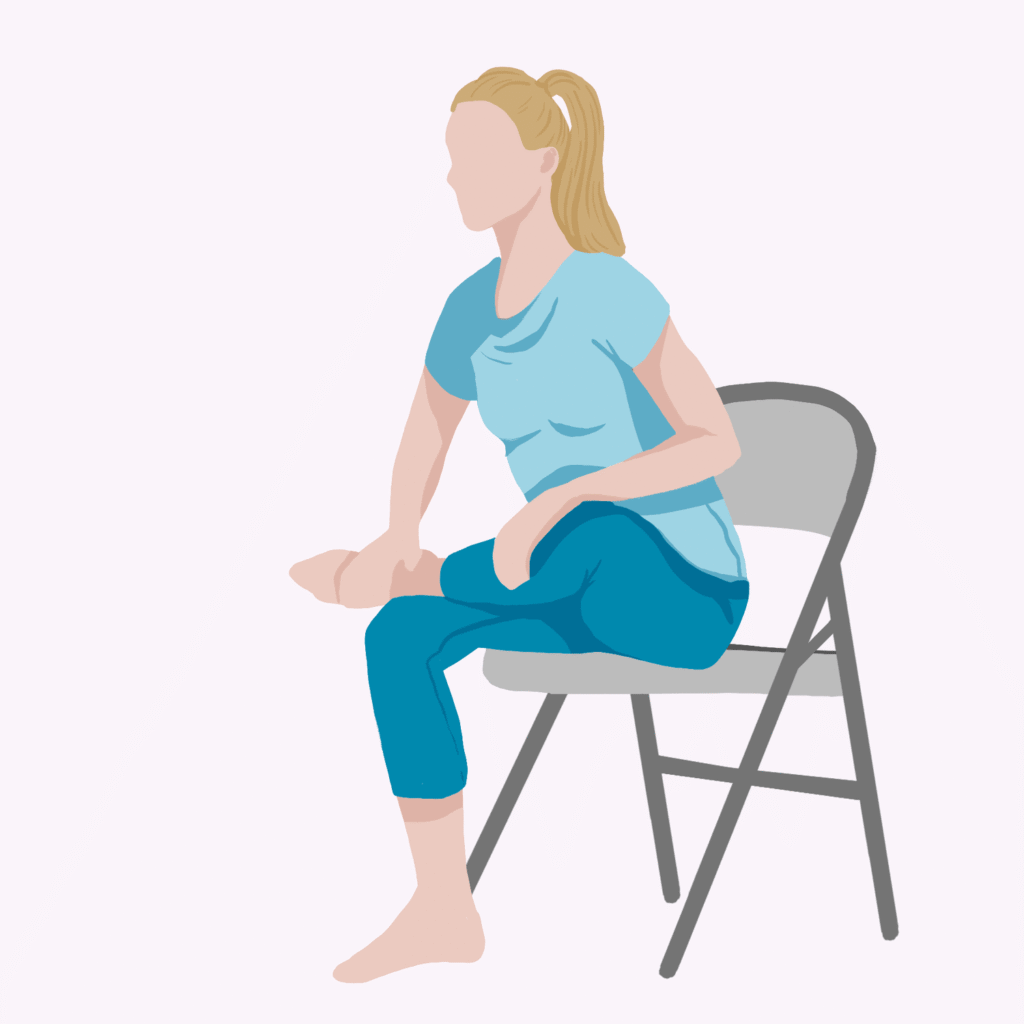
7. Seated pigeon stretch
Hips can become tight after years of sitting.
This stretch targets that area gently.
How to do seated pigeon stretch
- Sit tall in your chair.
- Place your right ankle over your left knee.
- Keep your back straight.
- Lean forward slightly if comfortable.
- Hold for 3 to 5 breaths.
- Return to center.
- Repeat on the opposite side.
Why it helps
Many people feel tightness around the hips and lower back.
This stretch helps release some of that tension.
Move slowly and stop if you feel discomfort.
A complete 10-minute chair yoga for International Yoga Day
If you’re celebrating International Yoga Day at home, this routine works well.
| Pose | Time |
|---|---|
| Seated Mountain Pose | 1 minute |
| Seated Breathing Practice | 1 minute |
| Seated Cat-Cow | 2 minutes |
| Seated Side Bend | 1 minute |
| Seated Forward Bend | 1 minute |
| Seated Twist | 2 minutes |
| Seated Warrior | 1 minute |
| Seated Pigeon Stretch | 1 minute |
Ten minutes.
That’s enough to reconnect with your body and participate in International Yoga Day without needing special equipment or a dedicated yoga studio.
Why movement matters as we age
The body likes movement.
You can feel it after a walk.
You can feel it after stretching.
You can definitely feel it after sitting in the same position for too long.
Regular physical activity helps support mobility, balance, and overall well-being as we age. The National Institute on Aging encourages older adults to stay active through activities that support strength, flexibility, and balance.
Chair yoga fits beautifully into that approach.
It’s accessible, gentle, and easy to adjust for different ability levels.
International Yoga Day is for everyone
One thing I appreciate about International Yoga Day is its simplicity.
The event isn’t reserved for experienced yogis.
- You don’t need fancy clothing.
- You don’t need years of practice.
- You don’t need to touch your toes.
The official United Nations International Day of Yoga page describes yoga as a holistic approach that supports harmony between mind and body.
Chair yoga allows more people to participate in that experience.
And that’s worth celebrating.
Safety tips for chair yoga
A few simple guidelines make practice safer.
- Use a stable chair without wheels.
- Keep movements slow and controlled.
- Avoid forcing stretches.
- Stop if you feel pain or dizziness.
- Keep water nearby.
- Breathe naturally throughout each pose.
Some days your body will feel more flexible than others.
That’s normal.
Listen to it.
FAQ’s for Yoga for International Yoga Day
1. Can seniors celebrate International Yoga Day with chair yoga?
Absolutely.
- Chair yoga makes yoga accessible for people who may have difficulty getting on the floor or maintaining standing poses.
- Many seniors find it to be a comfortable starting point.
2. How long should a chair yoga session last?
Even 10 minutes can be beneficial.
- Consistency matters more than duration.
- A short routine practiced regularly often feels more manageable than occasional longer sessions.
3. Is chair yoga good for beginners?
Yes.
- Chair yoga is one of the most beginner-friendly forms of yoga available.
- The chair provides support and helps people feel more confident during movement.
4. Can chair yoga help improve balance?
- Many chair yoga movements strengthen muscles involved in balance and stability.
- The practice also encourages better body awareness.
The Centers for Disease Control and Prevention Fall Prevention Resources notes that balance-focused activities can play an important role in helping older adults stay active and reduce fall risk.
5. What is the easiest chair yoga pose for beginners?
- Seated Mountain Pose is often the easiest starting point.
- It teaches posture, breathing, and body awareness without requiring complicated movement.
Continue your chair yoga journey
If you enjoyed these poses, you might also like:
- Chair Yoga for Seniors
- Chair Yoga for Better Balance
- Chair Yoga for Arthritis
- Chair Exercises for Seniors
- Seated Core Exercises for Seniors
- Printable Chair Yoga Exercises PDF
- 28-Day Chair Yoga Challenge
Each article builds on the same idea.
Movement should feel approachable.
my final thoughts on Yoga for International Yoga Day
Yoga for International Yoga Day doesn’t have to look a certain way.
For some people, it means practicing advanced poses in a studio.
For others, it means sitting comfortably in a chair and spending 10 peaceful minutes moving, stretching, and breathing.
Both count.
Both honor the spirit of yoga.
And both are worth celebrating on June 21.
So find a chair, take a deep breath, and give yourself permission to move.
Your body will thank you for it.
🙏 Did this guide help you move with more comfort?
Every guide on Chair Yoga is shared 100% free to help seniors and caregivers move safely at home.
Every coffee helps create more free content ❤️