


Struggling with sleep after 60? Discover science-backed strategies for better night sleep for seniors, plus essential pillows, mattresses, and yoga nidra techniques. Better Night Sleep for Seniors: Complete Science-Backed Guide (Age 60+)
If you’re over 60 and struggling with sleep, you’re not alone.
Common problems include:
- Waking up multiple times
- Joint pain at night
- Early morning waking
- Difficulty falling asleep
- Stiffness upon waking
- Restless legs
- Back discomfort
Sleep changes with age — but poor sleep is not “normal aging.”
The good news?
There are practical, science-backed ways to improve sleep quality after 60.
Let’s break it down properly.
Table of Contents
Why Sleep Gets Worse After 60
Research shows aging affects:
- Melatonin production
- Deep sleep stages
- Pain sensitivity
- Circadian rhythm timing
A study published in the National Library of Medicine confirms older adults experience reduced slow-wave sleep (deep sleep).
Study: https://pubmed.ncbi.nlm.nih.gov/17389793/
Pain also disrupts sleep cycles.
Chronic pain and insomnia often reinforce each other.
Study: https://pubmed.ncbi.nlm.nih.gov/17162990/
This means we must address both:
✔ Sleep environment
✔ Pain management
✔ Nervous system regulation
Essential Accessories for Better Night Sleep
Below is a simple guide to key sleep accessories and how they help seniors.
| Category | Best Option Type | Why It Helps Seniors | Pain Relief Benefit | Direct Links |
|---|---|---|---|---|
| Pillow | Cervical memory foam pillow | Supports neck alignment | Reduces neck & shoulder pain | DIRECT LINK |
| Mattress | Medium-firm hybrid mattress | Maintains spinal alignment | Reduces back pain | DIRECT LINK |
| Mattress Topper | 2–3 inch memory foam | Pressure relief | Reduces hip pain | DIRECT LINK |
| Knee Pillow | Ergonomic knee pillow | Aligns hips during side sleep | Reduces lower back strain | DIRECT LINK |
| Weighted Blanket (lightweight) | 10% body weight | Calms nervous system | Reduces anxiety-related insomnia | DIRECT LINK |
| White Noise Machine | Soft ambient noise | Reduces nighttime awakenings | Indirect benefit | DIRECT LINK |
| Yoga Nidra Audio | Guided relaxation recording | Lowers stress hormones | Improves sleep onset | DIRECT LINK |
| Evening Chair Yoga | Gentle mobility routine | Reduces stiffness | Reduces joint pain | DIRECT LINK |
9 Powerful Ways to Get Better Night Sleep for Seniors
1. Support Your Spine Properly
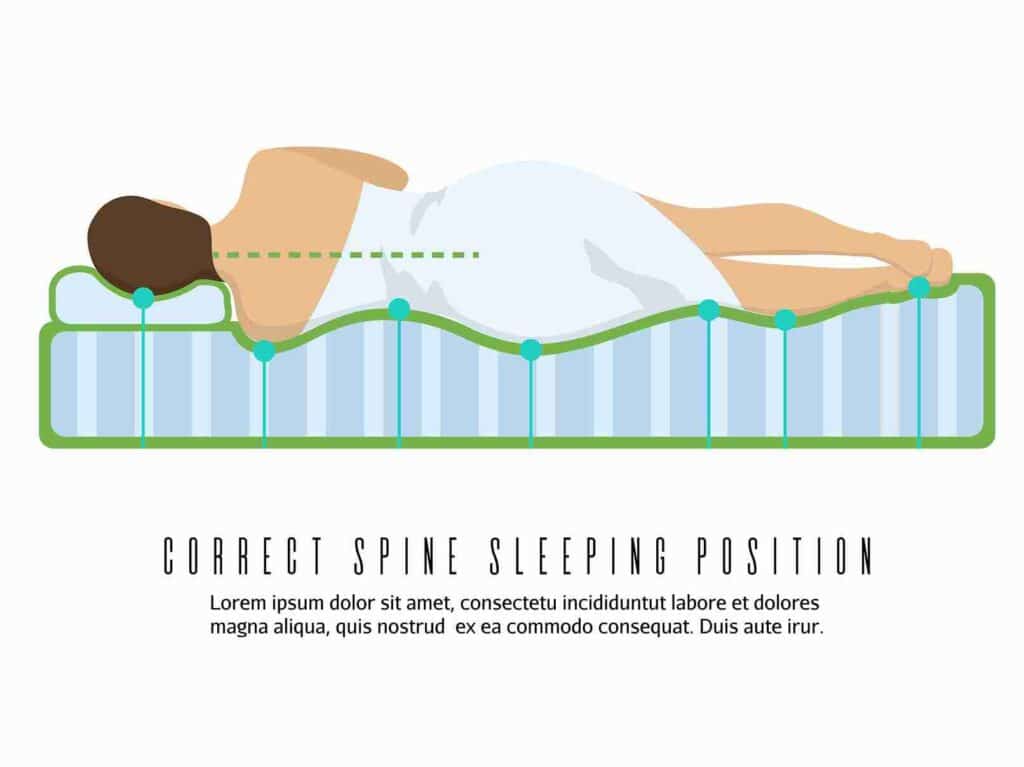
Back and hip pain are leading causes of poor sleep.
Spinal alignment during sleep reduces nighttime pain.
Research confirms proper mattress firmness affects spinal alignment and reduces back pain.
Study: https://pubmed.ncbi.nlm.nih.gov/15659733/
Key rule:
- Side sleepers → medium firmness
- Back sleepers → medium-firm
Too soft = spinal sag
Too firm = pressure pain
2. Use the Right Pillow (Critical After 60)
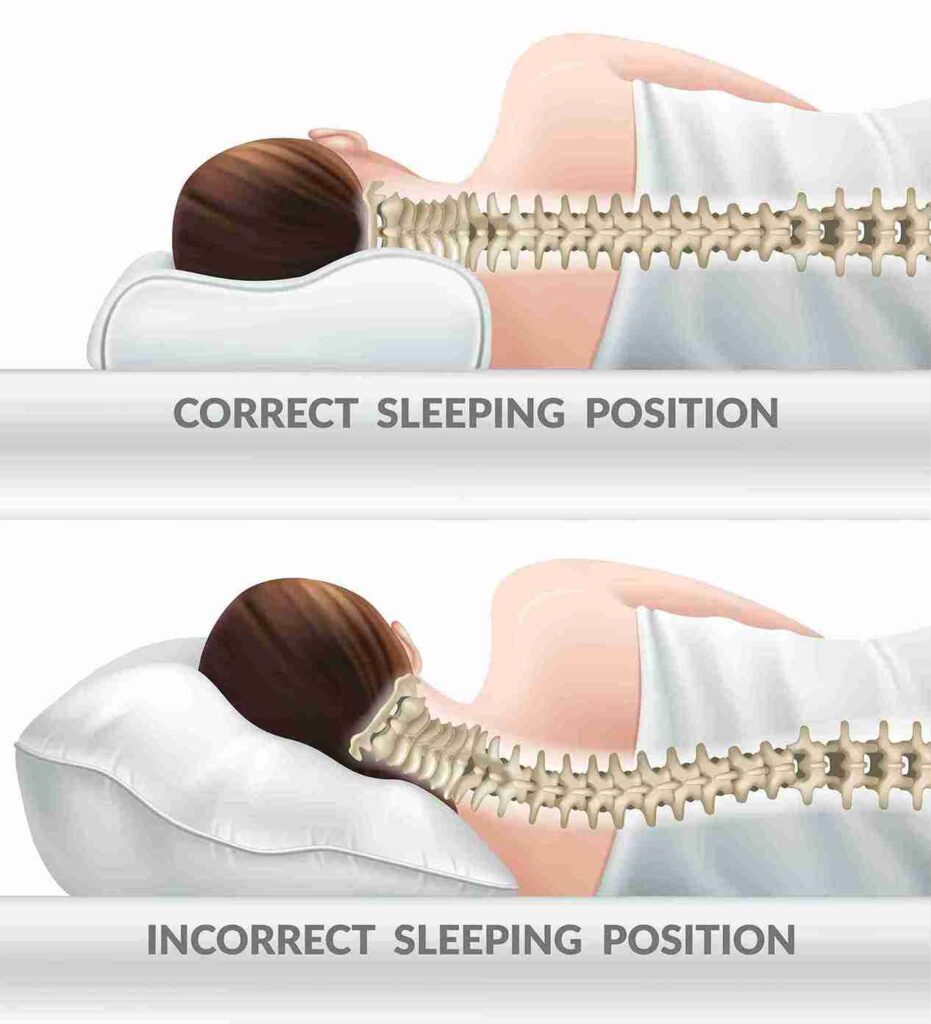
Neck alignment affects sleep quality.
A cervical support pillow has been shown to improve sleep and reduce neck pain.
Study: https://pubmed.ncbi.nlm.nih.gov/20573374/
Look for:
✔ Memory foam
✔ Contoured cervical design
✔ Adjustable height
✔ Medium firmness
Avoid overly thick pillows.
3. Reduce Nighttime Joint Stiffness
Arthritis pain increases at night.
Gentle evening stretching improves sleep quality.
Yoga-based stretching improves insomnia symptoms.
Study: https://pubmed.ncbi.nlm.nih.gov/22533347/
Even 10 minutes helps.
Two Gentle Guides Trusted by Seniors
Simple, safe & pain-free movement, no floor exercises, no equipment.

Gentle Yoga & Mobility Guide (60+)
- No floor exercises
- Improves balance & flexibility
- Perfect for daily comfort
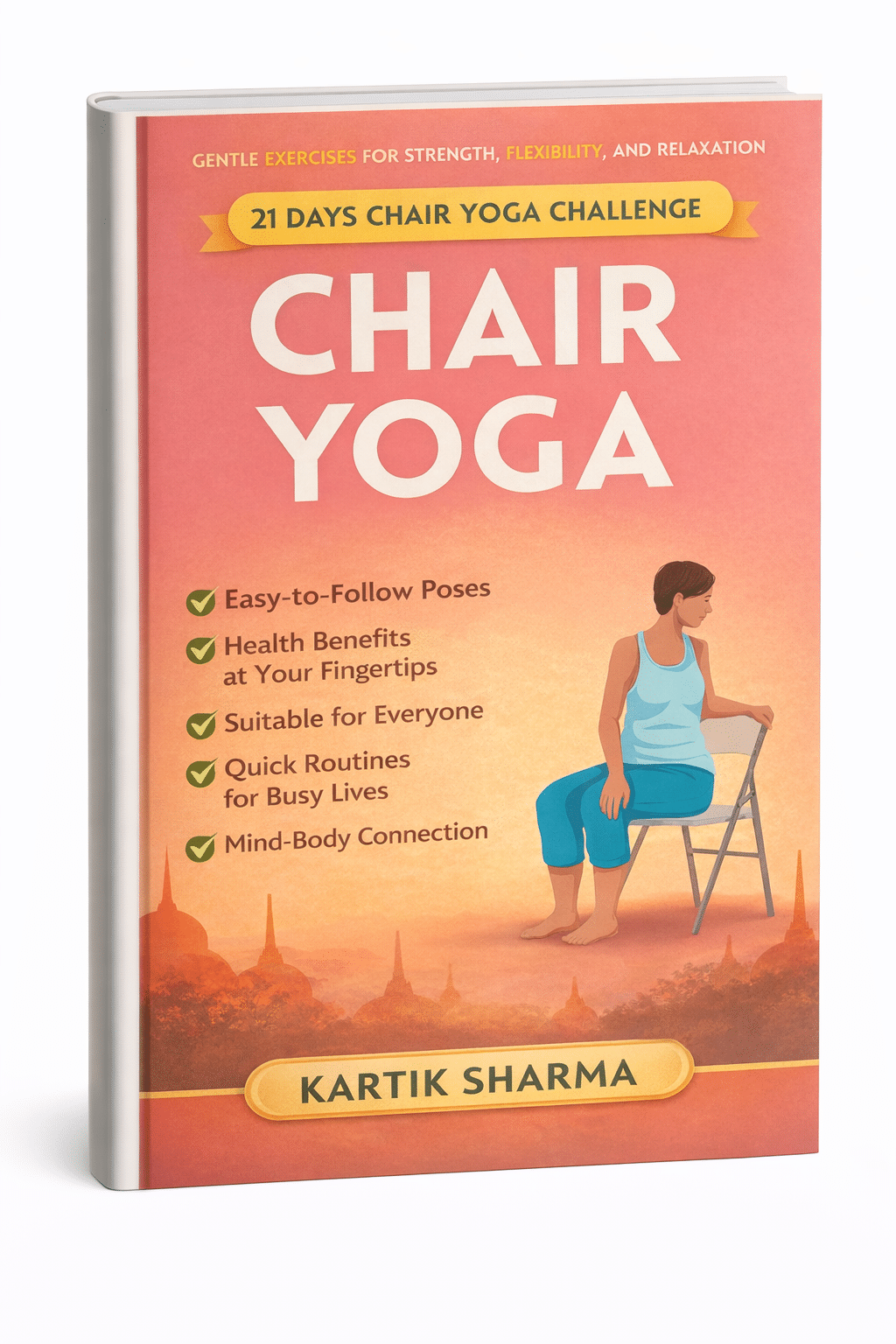
21-Day Chair Yoga Challenge
- Easy seated movements
- Quick routines for busy days
- Beginner & senior friendly
⭐ Often used as a daily reference — not a workout replacement
4. Practice Yoga Nidra Before Bed
Yoga Nidra is guided deep relaxation.
Studies show yoga-based relaxation reduces insomnia and improves sleep latency.
Study: https://pubmed.ncbi.nlm.nih.gov/28214778/
It:
- Calms nervous system
- Reduces cortisol
- Lowers heart rate
- Promotes deep sleep
This is one of the safest non-medication solutions.
5. Improve Bedroom Lighting
Bright light at night suppresses melatonin.
Keep bedroom:
- Cool (60–67°F)
- Dark
- Quiet

6. Manage Evening Screen Time
Blue light delays melatonin release.
Stop screens 1 hour before bed.

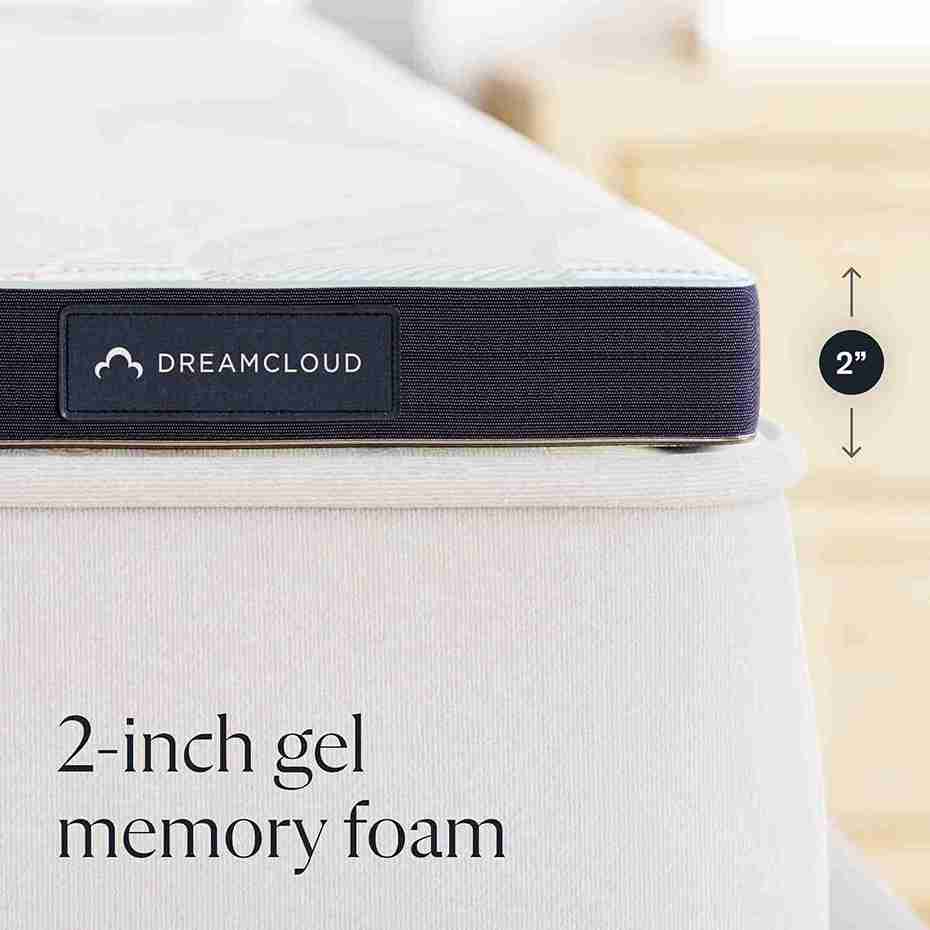
7. Use Supportive Mattress Topper (If Needed)
If mattress replacement isn’t possible:
A memory foam topper can reduce pressure points.
8. Keep a Consistent Sleep Schedule
Older adults benefit from consistent bedtime and wake time.
9. Strengthen Legs & Core During the Day
Research confirms exercise improves sleep quality in older adults.
Study: https://pubmed.ncbi.nlm.nih.gov/23473900/
Stronger muscles = less pain at night.
Best Sleep Position for Seniors
Side sleeping is generally best for:
- Spine alignment
- Hip comfort
- Reduced snoring
Place:
✔ Pillow between knees
✔ Small pillow behind lower back
Back sleeping can work if pillow height is correct.
Avoid stomach sleeping.
How Pain Affects Sleep in Seniors
- Chronic pain increases nighttime awakenings.
- Insomnia worsens pain perception.
- Breaking this cycle is critical.
- Evening mobility + correct bedding = powerful combination.
Evening 10-Minute Routine for Better Night Sleep
- Seated neck stretch
- Seated spinal twist
- Gentle forward fold
- Deep breathing
- Yoga Nidra (5–10 minutes)
This reduces muscle tension before bed.
For a structured mobility + sleep program, see:
Gentle Yoga & Mobility Guide for Stiff Joints, Balance & Daily Comfort
Includes:
- Evening pain relief routines
- Joint-safe stretching
- Sleep recovery methods
- Balance strengthening
How Long Until Sleep Improves?
Most seniors notice:
Week 1: Reduced stiffness
Week 2–3: Faster sleep onset
Week 4+: Fewer awakenings
Consistency is key.
When to See a Doctor
Consult physician if you experience:
- Severe insomnia
- Loud snoring (possible sleep apnea)
- Leg twitching
- Severe nighttime pain
- Persistent fatigue
My Final Thoughts for Better Night Sleep
A better night’s sleep for seniors is possible.
You don’t need strong sleeping pills.
You need:
✔ Proper support
✔ Pain management
✔ Nervous system regulation
✔ Gentle movement
✔ Smart accessories
Small changes can create dramatic improvement.
FAQs for Better Night Sleep
Why do seniors wake up so early?
Reduced melatonin production and circadian rhythm changes.
What is the best mattress firmness for seniors?
Medium-firm for spinal alignment.
Does yoga help seniors sleep better?
Yes. Research confirms yoga improves sleep quality.
Are weighted blankets safe for seniors?
Yes, if lightweight and not restrictive.
How many hours of sleep do seniors need?
7–8 hours per night is ideal.