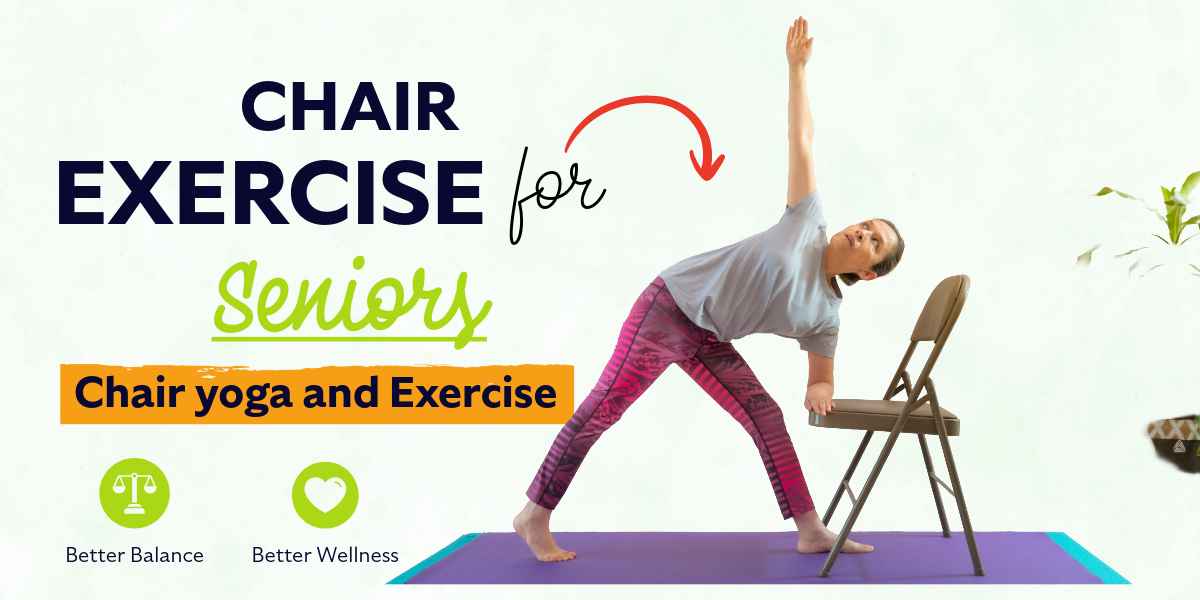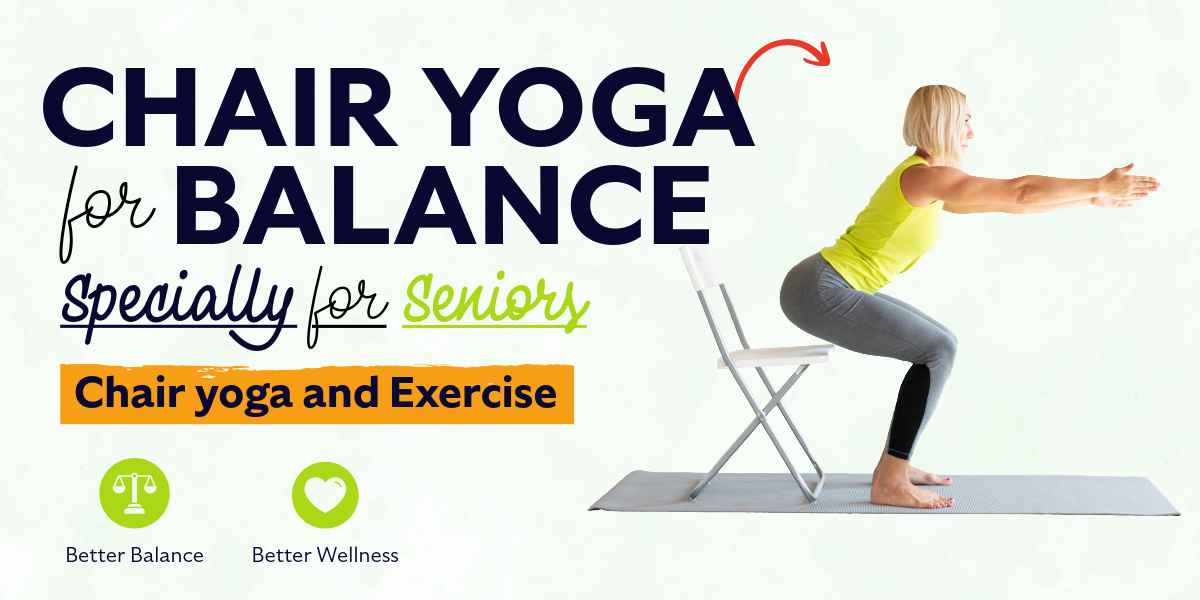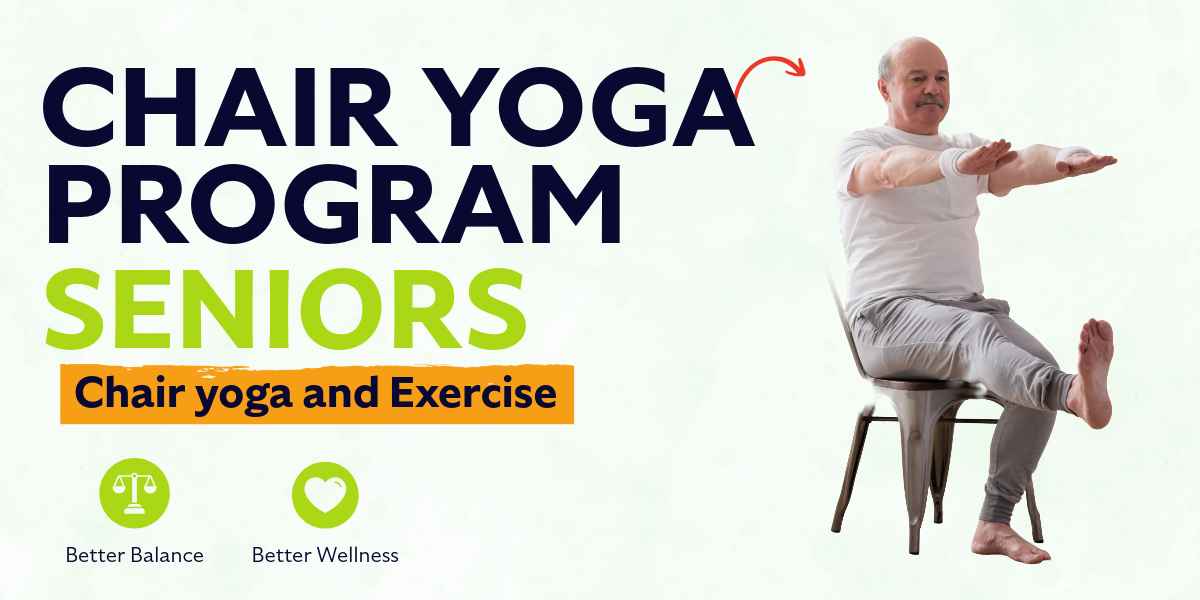

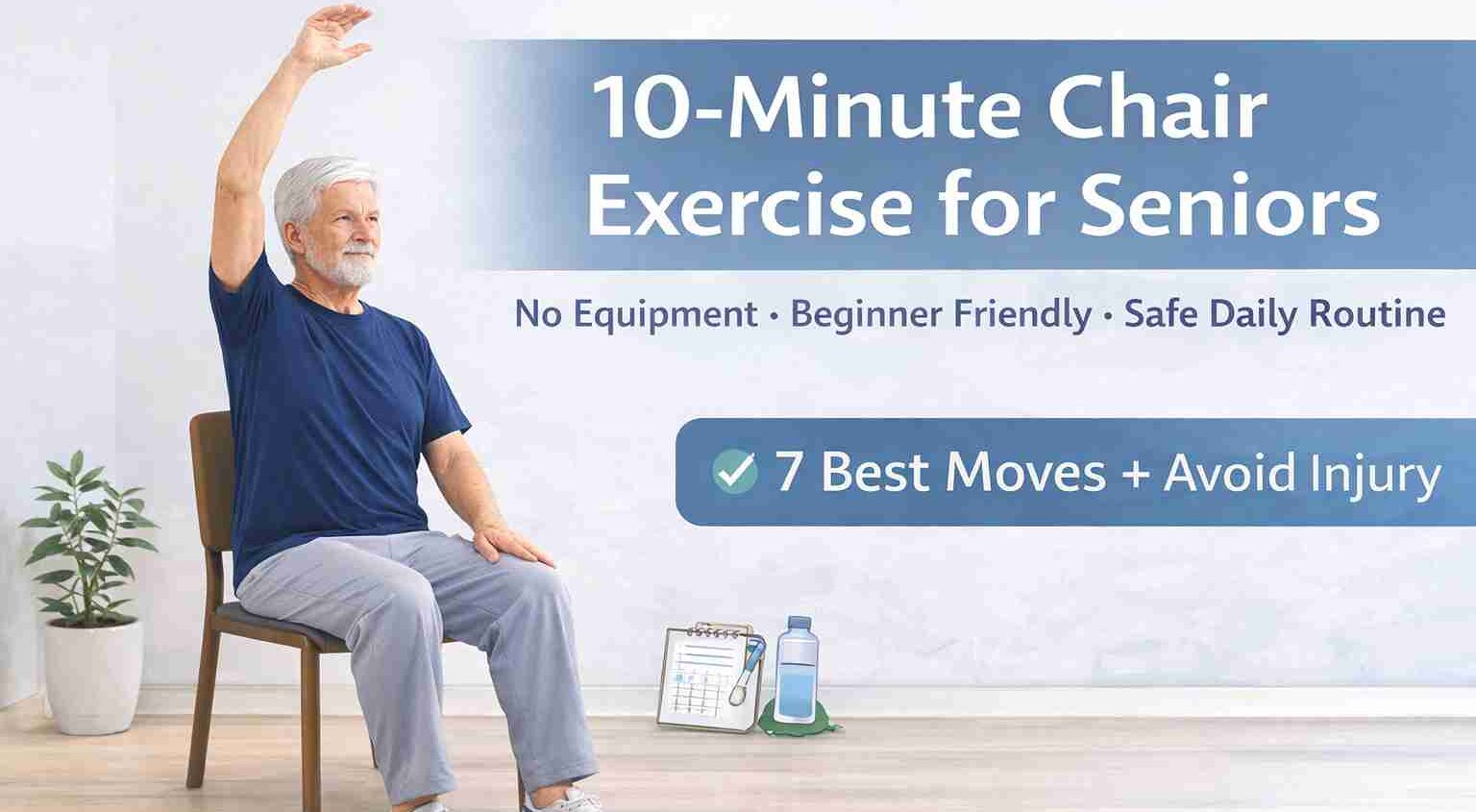
Try this 10 minute beginner chair exercise for seniors with no equipment needed. Safe, gentle daily moves to improve mobility, balance, and comfort. 10-Min Beginner Chair Exercise for Seniors (No Equipment Needed)
If you’re searching for a 10-minute beginner chair exercise for seniors, you’re probably thinking:
- “I don’t want long workouts.”
- “I’m stiff and out of shape.”
- “I can’t get down on the floor.”
- “I just want something safe and simple.”
The good news?
You don’t need gyms, equipment, or intense workouts to stay active.
This 10 minute beginner chair exercise for seniors is designed specifically for seniors and beginners who want to move safely, gently, and confidently at home.
Table of Contents
Why 10 Minutes Is Enough for Seniors
For seniors, consistency matters more than intensity.
Research published by the National Institutes of Health (NIH) shows that even short, chair-based exercise programs can significantly improve mobility, strength, and daily physical function in older adults when practiced regularly.
🔗 https://www.ncbi.nlm.nih.gov/pmc/articles/PMC10094373
That means:
- You don’t need long sessions
- You don’t need to feel exhausted
- You just need to move a little, every day
Who This Chair Exercise Routine Is Perfect For
This routine is ideal if you are:
- A senior aged 60+
- A complete beginner
- Stiff from inactivity
- Managing knee, hip, or back discomfort
- Afraid of falling or floor exercises
It is not meant to push limits.
It is meant to support daily comfort and independence.
What You Need (Nothing Fancy)
✔ One sturdy chair (no wheels)
✔ Comfortable clothes
✔ Flat shoes or barefoot
✔ A quiet, safe space
That’s it.
No equipment needed.

The 10 minute beginner chair exercise for seniors
⚠️ Safety rule: Move slowly, breathe normally, and stop if you feel pain or dizziness.
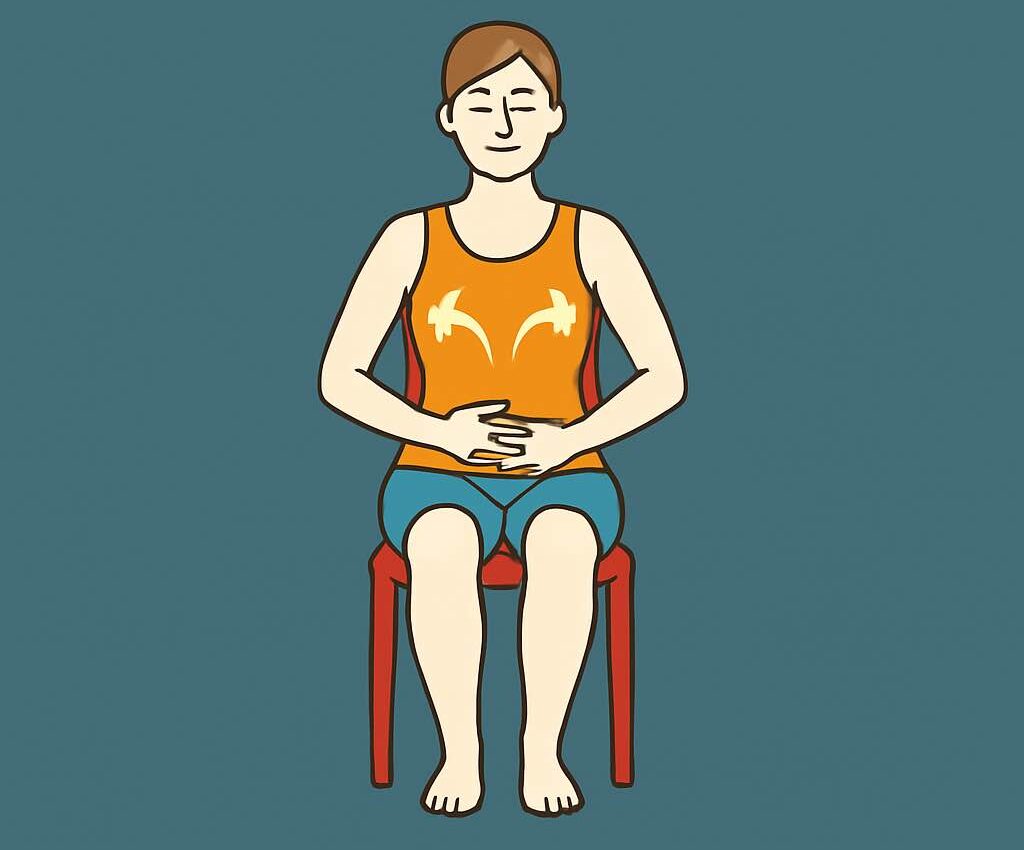
Minute 1–2: Seated Deep Breathing & Posture
Purpose: Warm up joints and calm the nervous system
- Sit tall on the chair
- Feet flat on the floor
- Hands resting on thighs
- Inhale through the nose
- Exhale slowly through the mouth
This prepares your body safely and reduces stiffness.
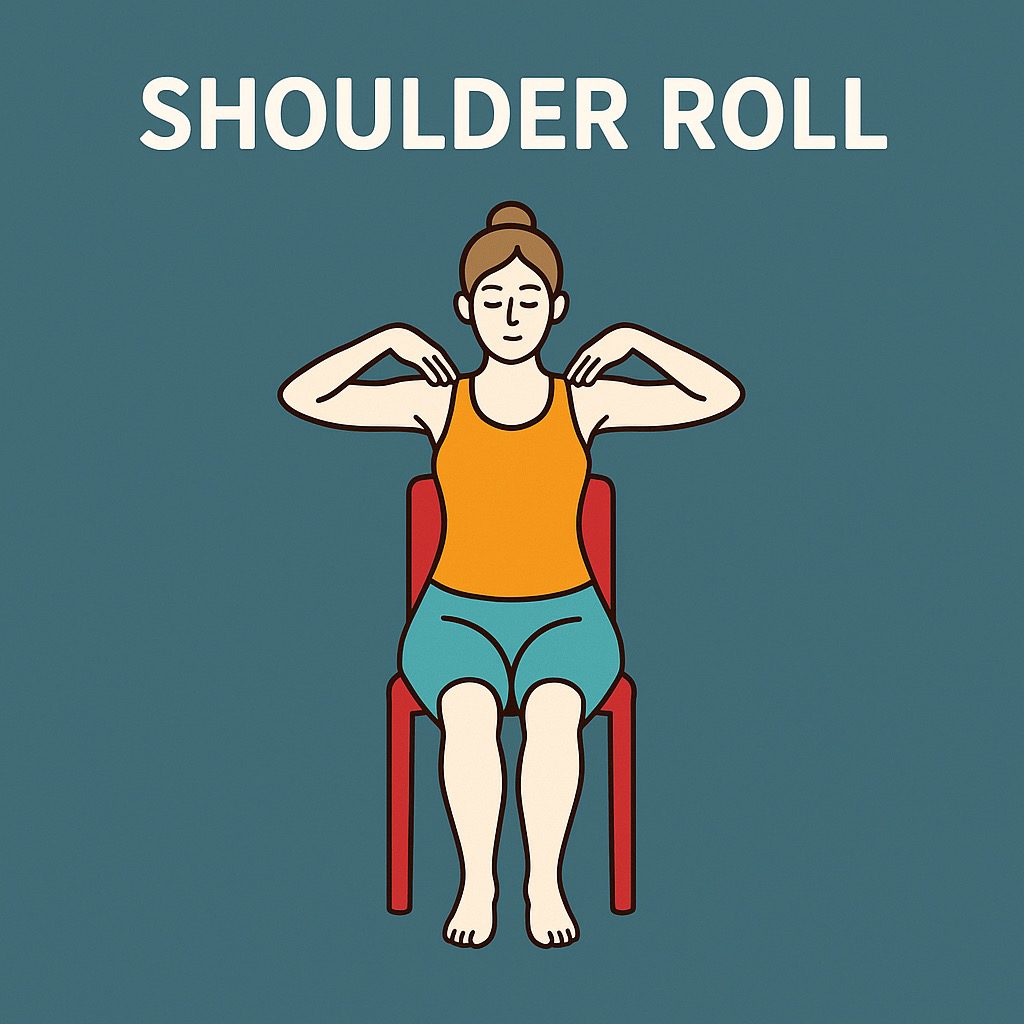
Minute 3: Shoulder Rolls
Purpose: Release shoulder and neck tension
- Roll shoulders backward 5 times
- Roll shoulders forward 5 times
- Keep movements slow and controlled
Great for seniors who feel tight in the upper body.
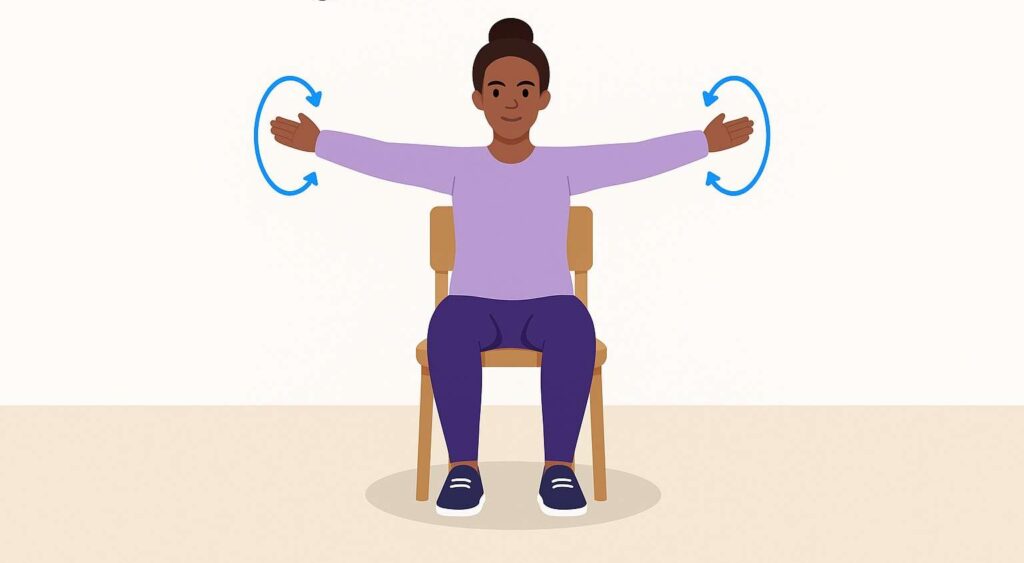
Minute 4: Seated Arm Raises
Purpose: Improve shoulder mobility and circulation
- Raise both arms to shoulder height
- Lower them slowly
- Repeat 8–10 times
Keep shoulders relaxed—no forcing.
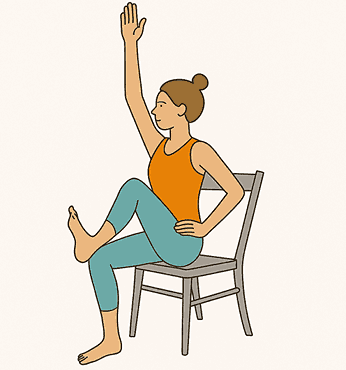
Minute 5: Seated Marching
Purpose: Improve circulation and hip mobility
- Lift one knee at a time
- Keep chest upright
- March slowly for 30–60 seconds
This gently raises heart rate without strain.
Minute 6: Seated Knee Extensions
Purpose: Strengthen thigh muscles (important for walking)
- Extend one leg forward
- Hold for 2 seconds
- Lower slowly
- Switch legs
Repeat 6–8 times per leg.
Minute 7: Heel Lifts
Purpose: Improve ankle strength and balance
- Lift both heels off the floor
- Lower slowly
- Repeat 10–15 times
Strong ankles help prevent falls.
Minute 8: Seated Side Stretch
Purpose: Stretch the sides of the body
- Raise one arm overhead
- Gently lean to the opposite side
- Hold 5–10 seconds
- Switch sides
Only stretch as far as comfortable.
Minute 9: Seated Forward Relaxation
Purpose: Relax the lower back
- Gently lean forward
- Let arms relax
- Keep breathing slowly
Do not force this movement.
Minute 10: Calm Breathing & Relaxation
Purpose: Cool down and reduce stress
- Sit comfortably
- Close eyes if comfortable
- Take slow, deep breaths
This helps the body absorb the benefits of exercise.
Why 10 Minutes Feels Shockingly Hard for Some Seniors
A lot of seniors quietly think this after their first chair workout:
“Why am I tired already?”
Honestly, sometimes 10 minutes is hard.
Not because the workout is intense. Because the body got deconditioned slowly over years.
That’s the part most fitness articles skip.
Muscle loss after 60 is real. The National Institute on Aging talks about this often. Strength, endurance, and recovery all change with age.
Even small movements can feel exhausting early on.
Deconditioning sneaks up on people
It usually happens quietly.
Less walking. More sitting. A few months of inactivity after illness. Bad knees. Winter weather. Poor sleep.
Then suddenly:
- stairs feel harder
- standing takes effort
- 10 minutes feels long
I’ve seen seniors panic over this. They assume something is “wrong” because a short routine feels difficult.
Usually the body just needs gradual exposure to movement again.
Medications change exercise tolerance
This matters more than most articles admit.
Blood pressure medications, beta blockers, sleep medications, even allergy pills can affect:
- balance
- energy
- coordination
- heart rate response
The Mayo Clinic mentions this clearly.
Some seniors blame themselves for feeling tired during exercise when the bigger factor is medication timing.
Some people do better with “exercise snacks”
A continuous 10-minute session isn’t magic.
For frail beginners:
- 2 minutes here
- 3 minutes later
- another few minutes after lunch
…sometimes works better.
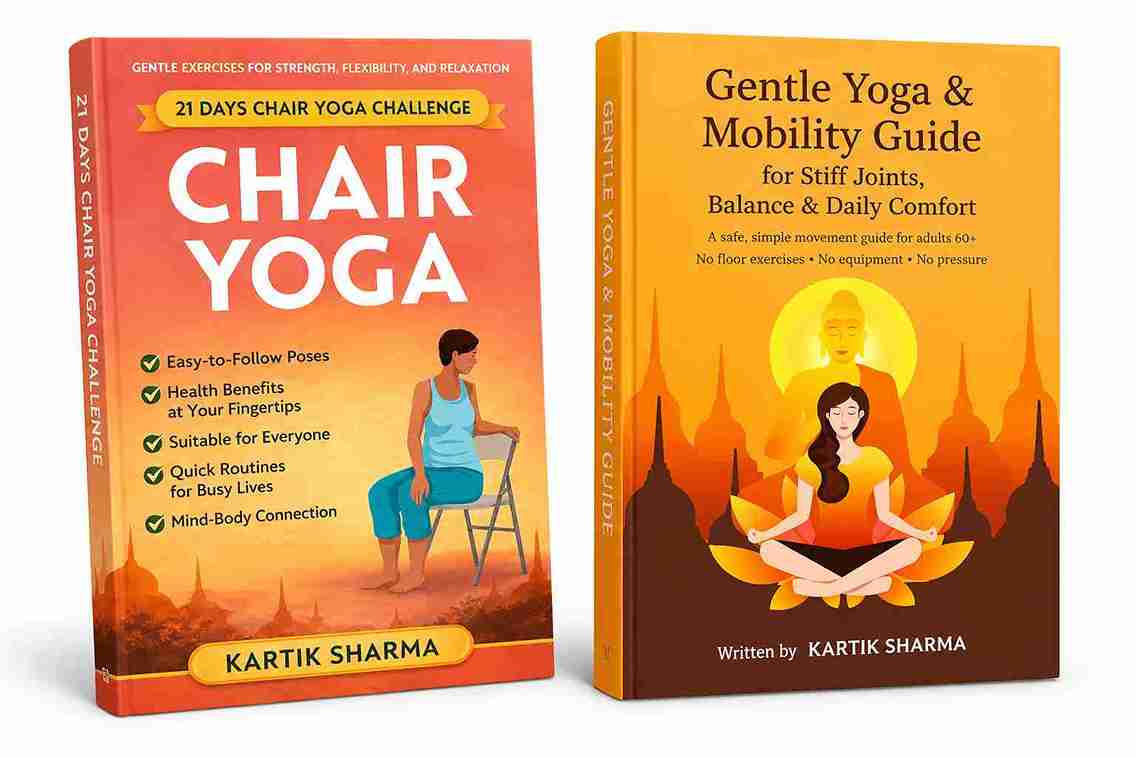
Gentle Chair Yoga Guides for Adults 50+
Two beginner-friendly guides designed to help support flexibility, balance, mobility, and everyday comfort with simple chair-based routines.
Physical therapists use this approach constantly with older adults recovering from surgery or long inactivity periods.
Tiny sessions add up fast.
The recovery window is longer after 60
This surprises people.
A younger person might recover from exercise overnight.
Older adults often need:
- 24 to 48 hours
- better hydration
- more sleep
- lower intensity
That slower recovery speed is normal.
It doesn’t mean exercise isn’t working.
Warning signs people ignore
Mild soreness is common.
These symptoms are not:
- dizziness
- chest pressure
- sharp pain
- extreme exhaustion the next day
- feeling unstable after standing
The CDC fall prevention guide recommends stopping activity if balance or dizziness worsens.
Why Chair Exercises Are Safe for Seniors
Chair-based exercise:
✔ Reduces fall risk
✔ Protects joints
✔ Supports balance
✔ Encourages daily consistency
A major NIH review confirms that chair-based exercise programs are safe and feasible for seniors, even those with limited mobility.
🔗 https://www.ncbi.nlm.nih.gov/pmc/articles/PMC4039312
How Often Should Seniors Do This 10-Minute Routine?
Best options:
- Once daily, or
- Twice daily (morning and evening)
Even 10 minutes a day can make a real difference when done consistently.
Common Mistakes Seniors Should Avoid
❌ Moving too fast
❌ Holding breath
❌ Forcing stretches
❌ Slouching in the chair
❌ Skipping days
Gentle, regular movement is the goal.
Chair Exercise vs Walking for Seniors
| Chair Exercise | Walking |
|---|---|
| Joint-friendly | Can stress joints |
| Indoor & safe | Weather-dependent |
| Balance support | Fall risk |
| Beginner-friendly | Can feel hard |
Both are helpful; however, chair exercise is often safer for beginners.
Why Chair Exercise Often Works Better Than Walking for Beginners
Walking gets treated like the universal answer for seniors.
Sometimes it is.
Sometimes it absolutely isn’t.
I’ve seen older adults quit movement entirely because walking hurt too much early on.
Chair exercise gives them a way back in.
Walking adds impact fast
People underestimate this.
Every step creates force through:
- ankles
- knees
- hips
- spine
For seniors with:
- arthritis
- obesity
- balance problems
- neuropathy
…walking can feel brutal early on.
Chair workouts remove a huge chunk of that stress.
Fear changes movement quality
Fear of falling changes how seniors move.
You see it instantly:
- stiff posture
- tiny cautious steps
- holding breath
- grabbing furniture
The brain starts treating movement like danger.
Chair exercise lowers that fear barrier.
That matters more than people realize.
The National Council on Aging talks about how fear itself reduces mobility over time.
Consistency beats intensity
This is probably the biggest thing I’ve learned watching older adults exercise.
The seniors who improve long term usually aren’t the hardest workers.
They’re the most consistent.
10 minutes daily beats:
- random intense workouts
- exhausting weekend sessions
- programs people quit after 2 weeks
Chair workouts remove friction
No:
- driving to a gym
- bad weather
- floor exercises
- complicated equipment
That simplicity matters.
Especially after 70.
Chair Exercise Mistakes That Quietly Increase Fall Risk
Most injuries don’t happen during the exercise itself.
They happen around it.
Standing up too quickly. Slipping in socks. Using the wrong chair.
That’s the stuff people forget.
Rolling chairs are terrible for exercise
Office chairs with wheels are risky.
Even tiny shifts create instability.
A stable dining chair works much better.
The CDC fall prevention resource repeatedly stresses stable support surfaces for older adults.
Soft couches ruin posture
People sink backward into them.
Then:
- shoulders round
- hips collapse
- core muscles disengage
The movement quality gets worse immediately.
Holding your breath spikes fatigue
This happens constantly.
Seniors concentrate so hard during movement that they stop breathing normally.
Then they suddenly feel:
- lightheaded
- tired
- tense
Slow breathing fixes a surprising amount.
Transitions are the dangerous part
Sit down.
Stand up.
Turn around.
That’s where many falls happen.
Not during seated marching.
Physical therapists pay huge attention to transitions for this reason.
Myth vs reality: short workouts for seniors
| Myth | Reality |
|---|---|
| “10 minutes is too short” | Daily movement compounds fast |
| “Chair exercise is only for weak people” | Rehab clinics use chair training constantly |
| “You need to sweat” | Mobility and circulation improve without intense effort |
| “Walking is always better” | Walking can aggravate pain or instability |
| “If it feels easy, it’s useless” | Gentle movement improves adherence |
| “Older adults shouldn’t do strength work” | Muscle preservation becomes more important with age |
The Harvard Health exercise archive has years of research backing this up.
A lot of seniors spent decades believing exercise only “counts” if it feels hard.
That mindset stops people before they even begin.
How Seniors Can Progress Beyond Beginner Chair Exercises
This is where most articles stop.
They give beginners a routine and disappear.
But progression matters.
Otherwise the body adapts, plateaus, and stalls.
Weeks 1–2
Focus:
- consistency
- confidence
- breathing
- basic movement
That’s enough.
Seriously.
Weeks 3–6
Add:
- more repetitions
- slightly longer marching
- light standing support exercises
Energy usually improves here.
This is when many seniors notice:
- easier walking
- less stiffness
- better balance getting out of chairs
Months 2–3
Now you can start adding:
- sit-to-stand work
- resistance bands
- balance drills
- longer sessions
Slowly.
Recovery still matters.
Progress isn’t linear
This part frustrates people.
- Arthritis flare-ups happen.
- Sleep gets bad.
- Weather changes.
- Energy dips.
Then people think:
“I’m going backwards.”
Usually they aren’t.
Older adults improve in waves, not straight lines.
That’s normal.
Stress, loneliness, and fear affect mobility more than people think
This barely gets mentioned in exercise articles.
But it matters a lot.
The nervous system affects movement constantly.
Fear changes how people move
After:
- a fall
- surgery
- pain flare-up
…many seniors start moving cautiously all the time.
Smaller steps.
Less walking.
Less confidence.
Mobility slowly shrinks.
Isolation reduces activity
The National Institute on Aging loneliness guide links isolation with worse physical health outcomes.
People move less when motivation disappears.
You see it all the time after retirement or loss of routine.
Tiny routines rebuild confidence
That’s why short chair workouts help psychologically too.
The body remembers:
- movement is safe
- balance still exists
- strength can improve
Confidence builds slowly.
Usually before fitness does.
FAQs for 10 minute beginner chair exercise for seniors
Is a 10-minute chair exercise enough for seniors?
Yes. When done daily, it improves mobility, circulation, and comfort.
Do seniors need equipment?
No. A sturdy chair is enough.
Is this routine safe for beginners?
Yes. It is designed for beginners and seniors.
Can seniors do this every day?
Yes, as long as movements are pain-free.
My Final Thoughts for 10 minute beginner chair exercise for seniors
A 10-min beginner chair exercise for seniors (no equipment needed) proves one simple truth:
You don’t need more time.
You don’t need harder workouts.
You just need gentle movement, done daily.
Small steps build strength, confidence, and independence over time.