

Kartik Sharma
Certified Nutrition & Health Educator
Kartik Sharma specializes in chair yoga, mobility, and senior wellness. His goal is to provide safe, science-backed exercises that help adults over 60 improve balance, flexibility, and daily comfort.
Medical Disclaimer
This content is for informational purposes only and does not replace professional medical advice. Always consult a qualified healthcare provider before starting any exercise program. Stop immediately if you feel pain or discomfort.
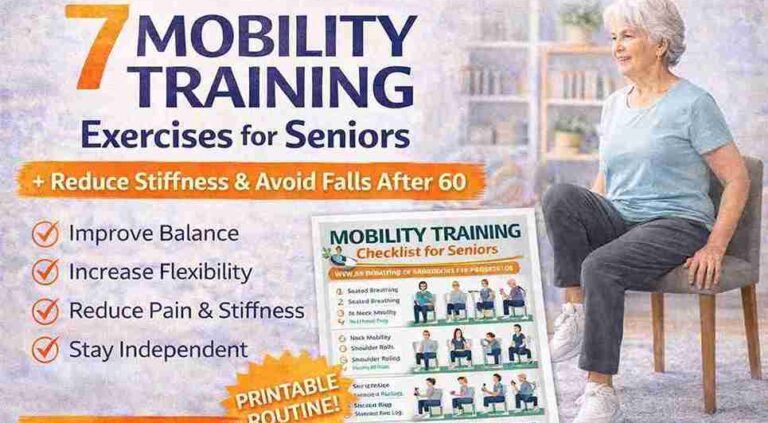
Discover Mobility Trainings for Seniors with simple daily exercises to reduce stiffness, improve balance, and prevent falls. Includes free printable routine. Mobility Trainings for Seniors The Complete Guide to Moving Better After 60
If you’re over 60 and feel the following:
- Stiff when getting up
- Slower while walking
- Less flexible than before
- Worried about balance or falling
You’re not alone.
But here’s something important most people don’t realize:
👉 Loss of mobility is not just aging; it's lack of movement.
The solution?
Mobility training for seniors — a safe, gentle way to improve how your body moves every day.
This guide will show you:
- What mobility training really is
- Why it’s critical after 60
- Science-backed benefits
- A simple daily routine
- How to stay consistent
Table of Contents
What Is Mobility Training?

Gentle Guides Trusted by Seniors
Simple, safe & pain-free chair yoga routines designed for seniors 60+. Improve mobility, balance, and daily comfort at home.
- ✔ Easy seated movements
- ✔ No floor exercises
- ✔ Beginner-friendly routines
- ✔ Quick daily plans
Mobility training is not just stretching.
It combines:
- Flexibility
- Strength
- Joint control
- Balance
- Coordination
Unlike traditional exercise, mobility training focuses on:
👉 How well your body moves — not how hard you train
For seniors, this is far more important than intensity.

Why Mobility Training Is Critical After 60 (Science-Backed)
As we age:
- Muscles tighten
- Joints stiffen
- Balance declines
- Reaction time slows
This increases fall risk.
A major review published on PubMed confirms that exercise programs focusing on strength and mobility significantly reduce fall risk in older adults.
Study link: https://pmc.ncbi.nlm.nih.gov/articles/PMC7920319/
Another study found mobility-focused exercise improves the following:
- Walking ability
- Independence
- Quality of life

Signs You Need Mobility Training
If you notice any of these:
✔ Difficulty standing up
✔ Tight hips or back
✔ Poor balance
✔ Short steps while walking
✔ Morning stiffness
Mobility training can help.
7 Powerful Benefits of Mobility Training for Seniors
1. Reduces Stiffness
Regular movement improves joint lubrication.
Less stiffness = easier movement.

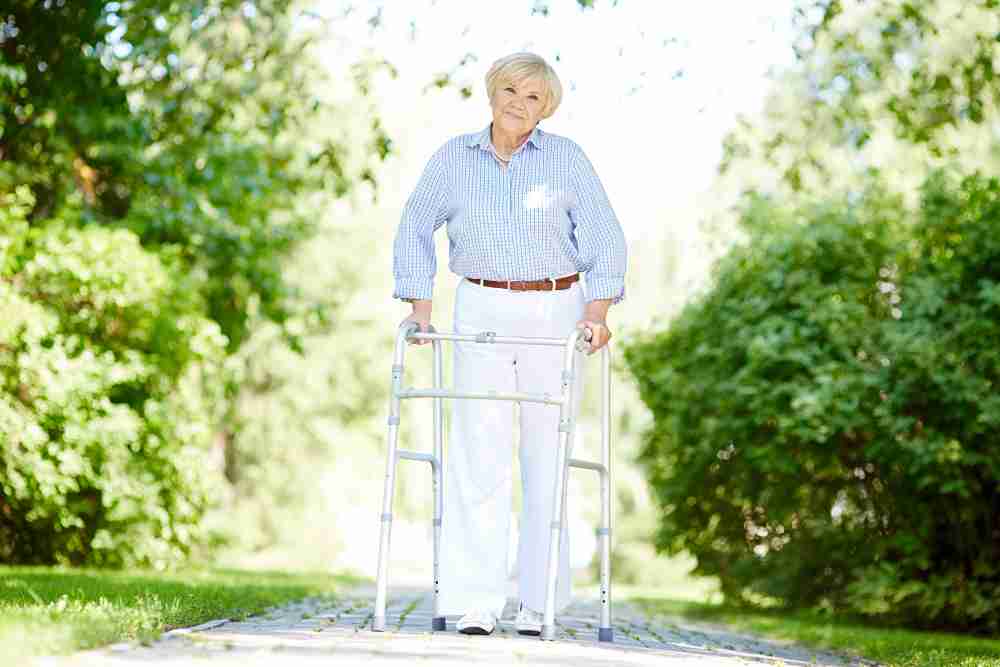
2. Improves Balance
Balance training reduces fall risk significantly.
This is one of the biggest benefits.
3. Prevents Falls
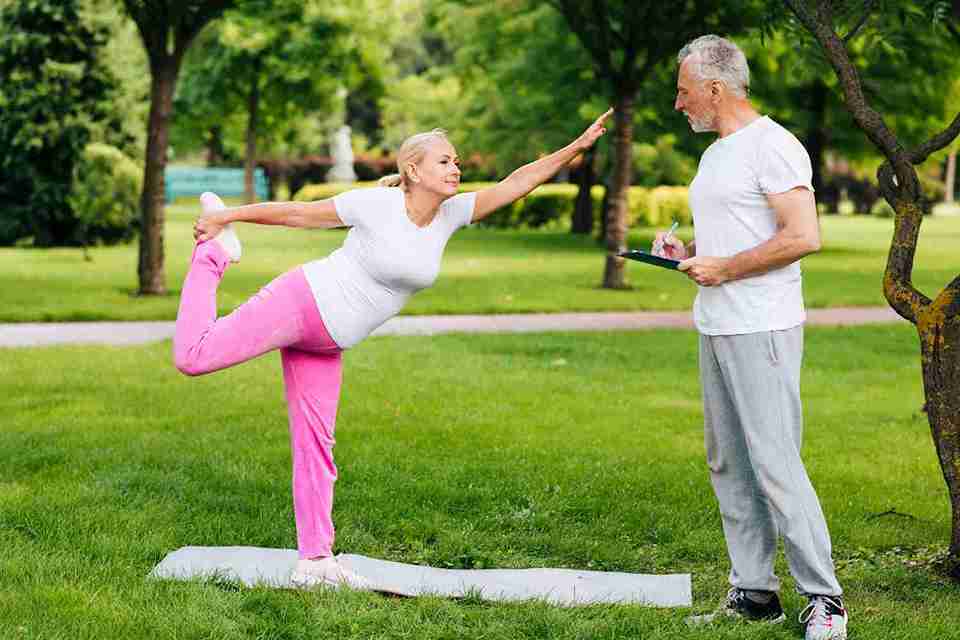
Falls are the #1 injury risk after 60.
Mobility training directly reduces this risk.

4. Improves Walking Ability
Longer, more stable steps.
Better confidence while walking.
5. Reduces Joint Pain
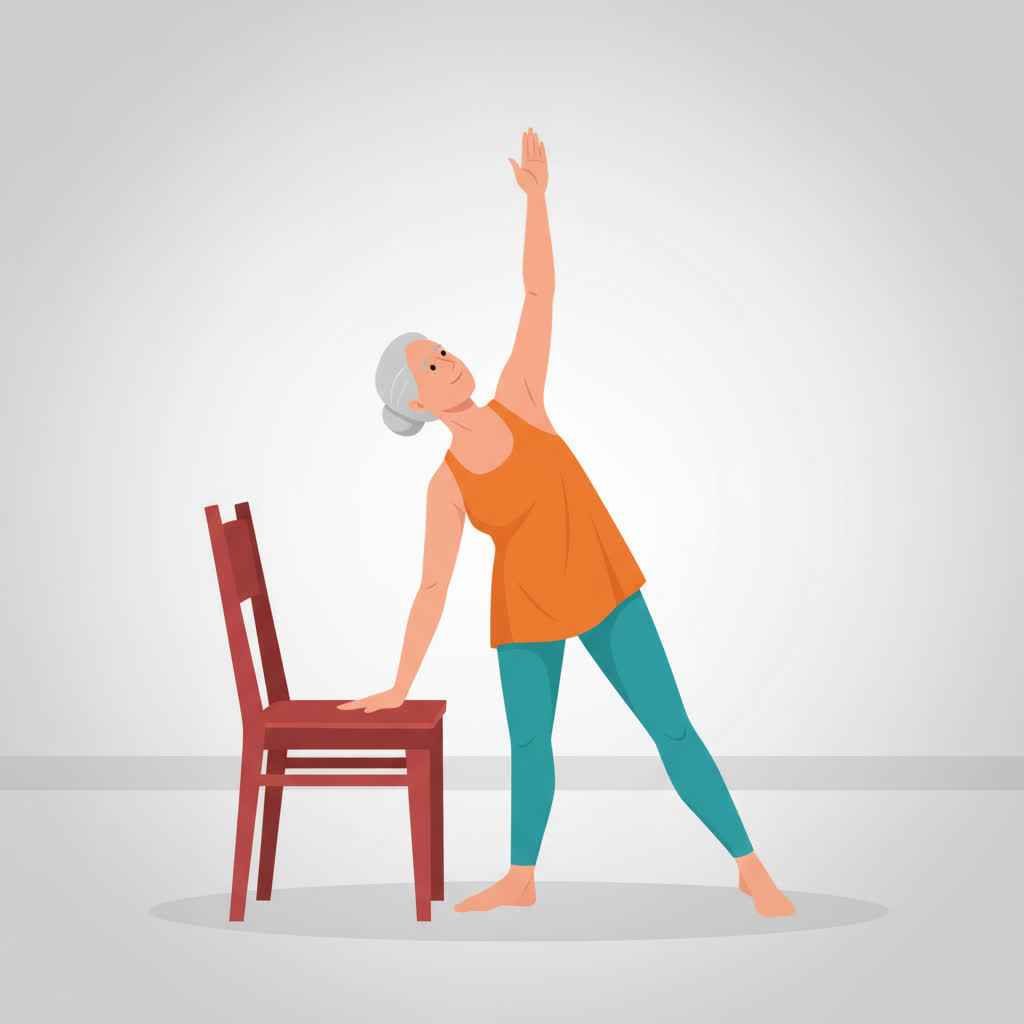
Gentle movement reduces the following:
- Arthritis stiffness
- Back pain
- Knee discomfort

6. Improves Posture
Better alignment reduces strain.

7. Supports Independence
Simple movements like:
- Sitting
- Standing
- Turning
become easier.
10-Minute Daily Mobility Routine for Seniors
This is your simple, safe routine.
Do this daily.
1. Seated Breathing (2 minutes)
- Sit tall
- Inhale deeply
- Exhale slowly
Calms nervous system.
2. Neck Mobility
- Tilt head side to side
- Move slowly
3. Shoulder Rolls
- Roll shoulders forward and back
Improves upper body movement.
4. Arm Circles
- Small, controlled circles
5. Seated Marching
- Lift one knee at a time
Improves coordination.
6. Leg Extensions
- Extend one leg
- Hold 5 seconds
Strengthens thighs.
7. Ankle Rotations
- Rotate ankles slowly
Improves circulation.
8. Seated Cat-Cow
- Arch and round back
Research shows spinal mobility reduces back pain.
Study link: https://pmc.ncbi.nlm.nih.gov/articles/PMC4878447/
9. Seated Twist
- Gentle rotation
10. Heel Raises
- Lift heels
Improves lower leg strength.
Weekly Mobility Trainings for Seniors – Plan
| Day | Focus |
|---|---|
| Monday | Full routine |
| Tuesday | Upper body mobility |
| Wednesday | Lower body mobility |
| Thursday | Balance focus |
| Friday | Full routine |
| Saturday | Light movement |
| Sunday | Rest |
Quick Summary Table for Seniors (Easy to Follow)
Best Types of Mobility Training for Seniors
| Type | Description | Best For | Key Benefits |
|---|---|---|---|
| Chair-Based Mobility | Seated exercises using a stable chair | Beginners, limited mobility | Safest option, low risk, easy to follow |
| Standing Mobility | Gentle standing movements | Seniors with good balance | Improves strength & coordination |
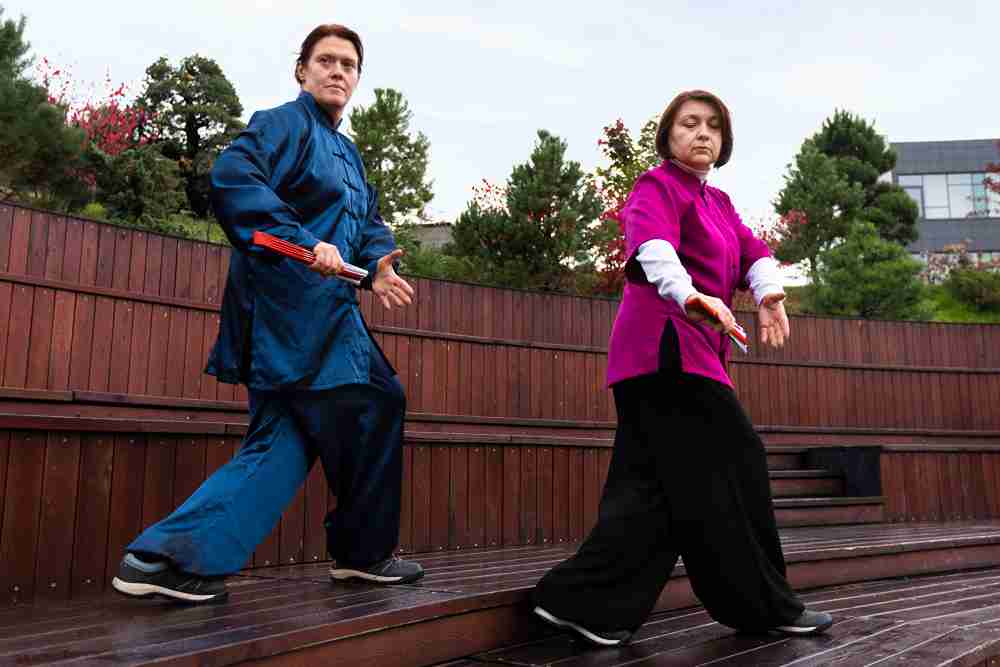
| Tai Chi Walking | Slow, controlled walking movements | Balance improvement | Enhances balance & coordination |
| Gentle Yoga | Slow stretching and breathing exercises | Flexibility & relaxation | Reduces stiffness and stress |
Combine Mobility Training With Chair Yoga
| Component | Role | Benefit |
|---|---|---|
| Mobility Training | Improves movement quality | Better daily function |
| Chair Yoga | Improves flexibility & relaxation | Reduces stiffness & stress |
| Combined System | Full-body improvement | Balance + strength + flexibility |
👉 Best Practice: Combine both daily for maximum results
Essential Tools for Mobility Training
| Tool | Benefit | Why It Matters for Seniors |
|---|---|---|
| Stable Chair | Safety & support | Prevents falls |
| Resistance Band | Light strength training | Builds muscle safely |
| Yoga Mat | Comfort | Protects joints |
| Support Cushion | Joint protection | Reduces pressure |
| Wall Support | Balance assistance | Extra stability |
Common Mistakes to Avoid
| Mistake | Why It’s Risky | Better Approach |
|---|---|---|
| Moving too fast | Increases injury risk | Move slowly & controlled |
| Skipping warm-up | Stiff muscles | Start with gentle movement |
| Ignoring pain | Can worsen injury | Stop if discomfort increases |
| Overtraining | Leads to fatigue | Keep sessions short (10–15 min) |
| Poor posture | Causes strain | Sit/stand upright |
Safety Tips for Seniors
| Tip | Why It Matters |
|---|---|
| Use a stable chair | Prevents slipping |
| Move slowly | Reduces injury risk |
| Breathe naturally | Keeps body relaxed |
| Stop if sharp pain occurs | Prevents damage |
How Long Until You See Results?
| Timeline | What You’ll Notice |
|---|---|
| Week 1 | Reduced stiffness |
| Week 2–3 | Improved movement |
| Week 4+ | Better balance & confidence |
👉 Consistency is key
Who Should Avoid Mobility Training?
| Condition | Action |
|---|---|
| Severe dizziness | Consult a doctor. |
| Recent surgery | Wait for medical clearance |
| Severe joint instability | Get professional guidance |
Printable Mobility Routine (What’s Included)
| Feature | Benefit |
|---|---|
| Daily routine | Easy to follow |
| Weekly tracker | Builds consistency |
| Safety checklist | Prevents injury |
| Large readable format | Senior-friendly |
Mobility Training vs Gym Workouts
| Feature | Gym Workouts | Mobility Training |
|---|---|---|
| Intensity | High | Low & controlled |
| Senior-friendly | ❌ No | ✅ Yes |
| Injury risk | High | Low |
| Focus | Muscle building | Movement quality |
| Accessibility | Requires equipment | Can be done at home |
My Final Thoughts for Mobility Trainings for Seniors
Mobility training for seniors is not optional — it’s essential.
It helps you:
- Move better
- Feel stronger
- Stay independent
- Prevent injuries
You don’t need intense workouts.
You need consistent, gentle movement.
Start with just 10 minutes today.
FAQs for Mobility Trainings for Seniors
What is mobility training for seniors?
It is a type of exercise that improves movement, flexibility, and balance.
Is mobility training safe for seniors?
Yes, when done slowly and correctly.
How often should seniors do mobility exercises?
Daily or at least 3–5 times per week.
Can mobility training prevent falls?
Yes, research shows it improves balance and reduces fall risk.
How long should a session be?
10–15 minutes is enough.